School meals are not only the daily meals served to students, but also an integral component of the overall educational operation system. Although both public schools and international schools provide meals for their students, the structure of school catering services differs significantly between the two models, particularly in how they address nutritional requirements, budget allocation, and parental expectations. From the perspective of a professional catering provider, this article analyzes these differences in a practical and comprehensive manner.
The Purpose of School Meal Programs
School meals refer to meals that are organized, monitored, and served to students within educational institutions, designed according to age-specific nutritional requirements, and prepared through institutional kitchen systems, and regulated under food safety and school nutrition standards issued by the Ministry of Health. In Vietnam, school meal programs commonly include semi-boarding lunches, snacks, or multiple meals throughout the school day, prepared directly in school kitchens or provided through contracts with professional catering service providers.
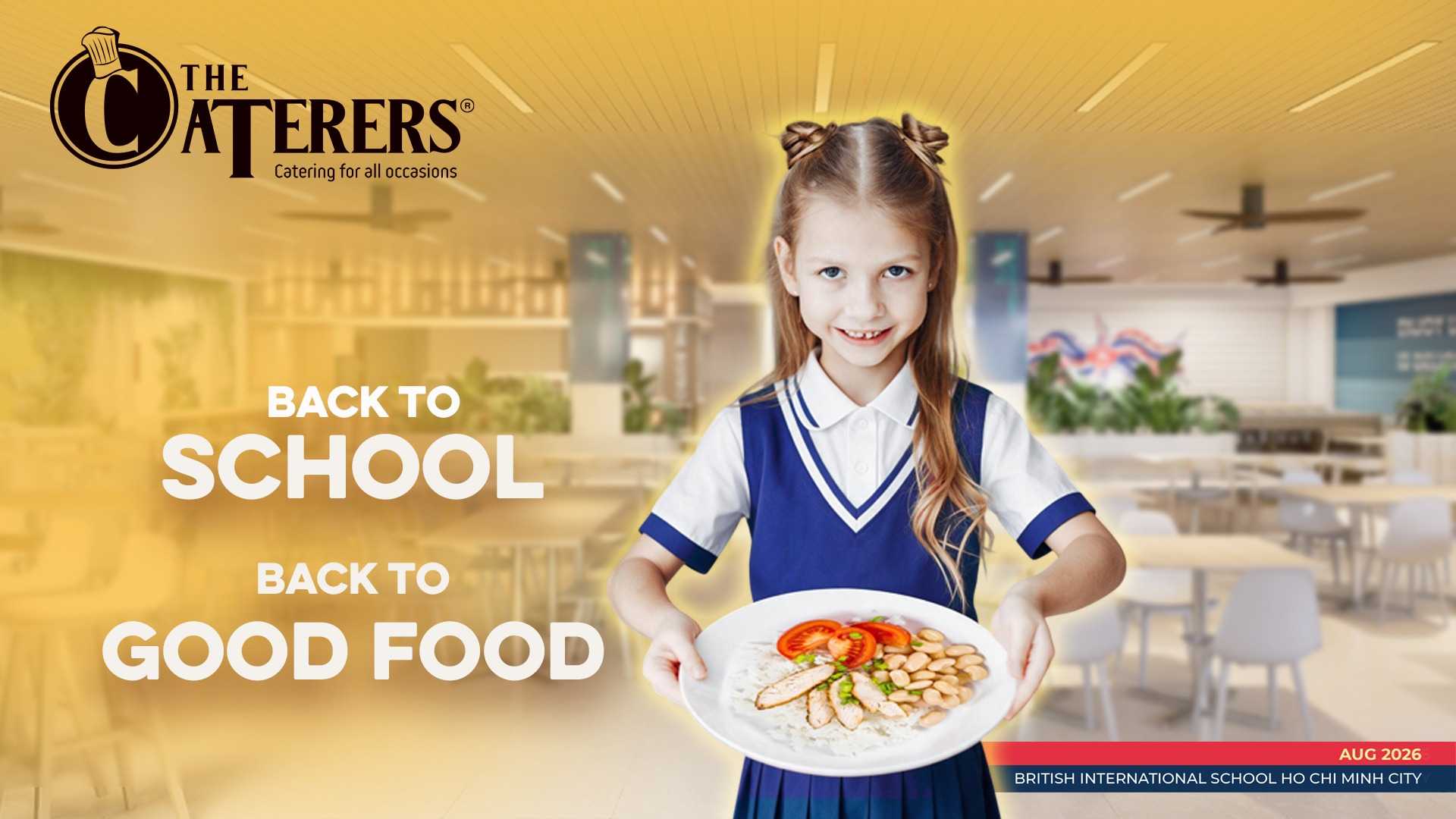
International school meals are also prepared within Vietnam but are designed to support students following international education programs, where the portions and menus are designed to comply with Vietnamese food safety regulations and the expectations of an international educational environment. More specifically, international school meals often include stricter management of special diets and food allergies, while the menus are designed to be inclusive for students from diverse cultural backgrounds.

Budget Structure and Cost Allocation
Public schools typically operate with limited budgets, requiring careful cost management and prioritizing operational efficiency at scale. Decisions related to school meals often focus on providing adequate nutrition for a large number of students while maintaining a reasonable cost structure.
International schools, on the other hand, usually operate with greater financial autonomy and more flexible budgets to allow them to invest in higher-quality ingredients, more refined service processes, and well-trained culinary staff to maintain elevated meal standards. Many international schools are willing to pay more budgets for food, which may include imported ingredients or items meeting specialized quality certifications, resulting in a different proportion of ingredient costs compared to the mainstream model.
Nutritional Standards and Menu Development
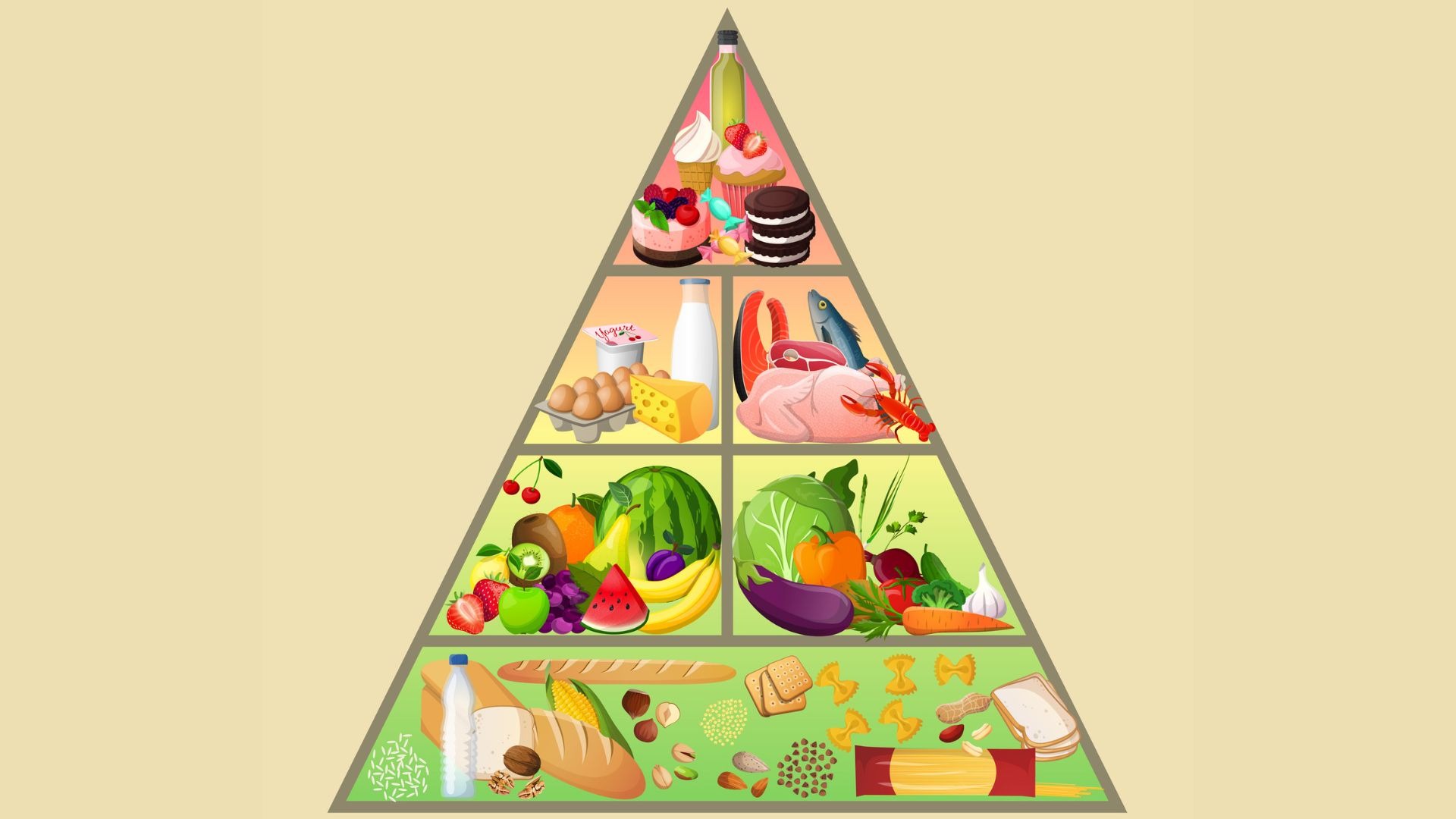
For public school meal programs, nutritional standards typically follow official guidelines issued by regulatory authorities, including Joint Circular 13/2016/TTLT-BYT-BGDĐT and Decision 196/QĐ-BYT, focusing on energy requirements by age group, P : L : G ratio, and essential micronutrients such as calcium, iron, zinc, vitamin A, and dietary fiber. Lunch is designed to meet approximately 35% to 40% of daily energy needs, providing all four essential food groups, prioritizing simple menus that are practical for institutional kitchens and suitable for large-scale service.
For international schools, foundational standards for food safety and nutrition remain strictly maintained, while menus are often improved to focus on balanced portions, diverse ingredients with different food texture, and multiple menus within a single day. The menus can be Asian -Western culinary fusions, with alternatives available for vegetarian diets, food allergies, or personalized dietary requirements with ingredient transparency and clear nutritional values for easy parental monitoring, reflecting the standards typically implemented in high quality school canteens the perfect choice from The Caterers.

Operational Models and Quality Control
School kitchens in public institutions typically operate under large-scale collective catering models, serving a significant number of students within a limited timeframe so the operational systems prioritize simplicity, consistency, and repeatable processes. The daily menu usually has few variations to ensure speed of service and consistency between meals, so kitchen staff can take on multiple tasks to optimize resources and minimize disruptions.
International school meals, kitchen operations are usually organized through clearly separated production stages, allowing more precise quality control at each step while supporting more flexible menu structures. Staff roles are typically defined more specifically, including executive chefs responsible for kitchen coordination, nutrition specialists overseeing portion balance and ingredient composition, and quality control teams monitoring operational standards. This structured system also ensures smoother collaboration with catering partners and enables transparent traceability when required.
Expectations and The Role of Parents
Parents in public school environments often focus primarily on food safety and reasonable meal pricing. Their expectation is that meals provide sufficient nutrition while remaining affordable and suitable for the school’s financial structure.
In contrast, parents in international schools often view school meals as an integral part of the overall education value included in tuition fees. They pay attention to ingredient sourcing, food safety transparency, and communication regarding the meals served to their children.
The Role of Catering Providers in Both School Models
For public schools, catering providers must prioritize standardized operational processes and strict risk management, ensuring stable service quality and full compliance with food safety regulations.
International school environments, catering providers often act as strategic partners, not only supplying menus and services but also advising and adapting the model to meet flexible and personalized requirements, ensuring that all student needs are met to the fullest extent.
The Caterers – An Expert in Delivering School Meal Programs for Different School Models
The Caterers approaches school meal programs from a consultative and operational standardization perspective. We have worked, partnered closely with public schools, private institutions, and international schools to provide flexible catering solutions tailored to each school’s unique operational environment. With a team of experienced consultants and culinary professionals, The Caterers supports schools in selecting the most suitable school meal models aligned with their operations and development goals.
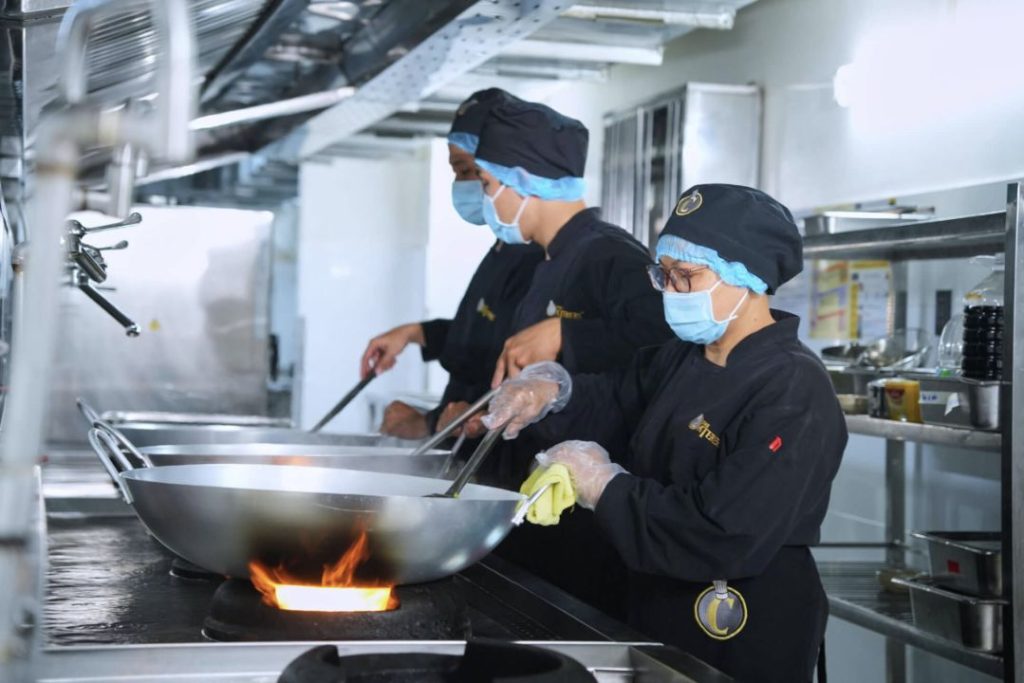
To deliver high-quality meals, we are committed to a transparent supply chain, ensuring full control from Farm-to-School and international standards such as HACCP/ISO 22000. The Caterers’ R&D team continuously studies student taste preferences and school nutrition science, designing scientifically balanced menus that support healthy development and enjoyable dining experiences for students.
If schools need to gain a clearer view of operational processes and nutritional standards, The Caterers is ready to provide consultation and share sample school meal menus designed for different age groups and educational models.