School meals play a core role in providing energy and supporting the comprehensive development of students. However, depending on the educational model, budget, and orientation of each school, meals between public and international schools show distinct differences in menu structure, nutritional standards, and operational methods. The following article will provide you with a detailed look at these differences.
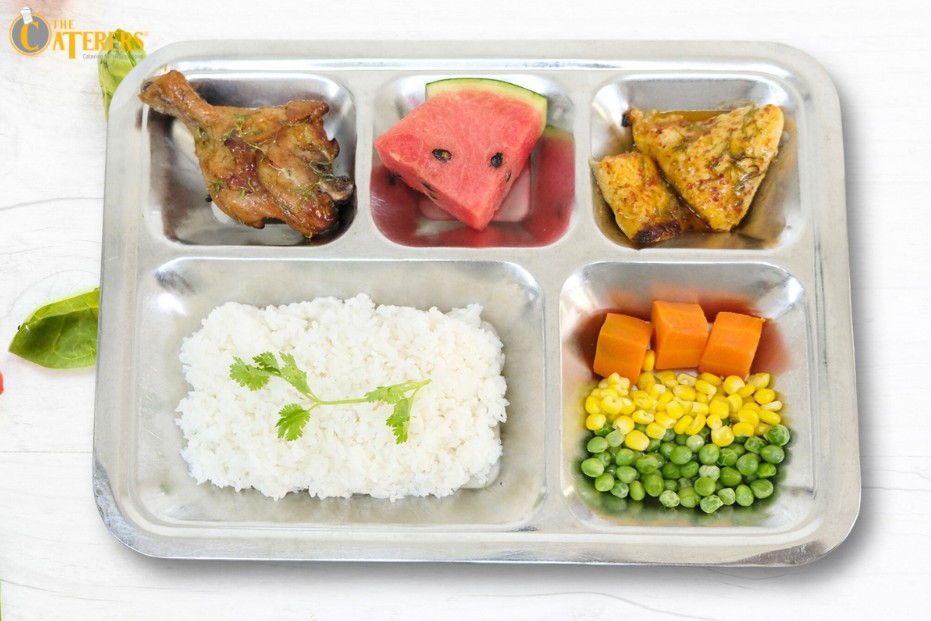
1. Differences in Budget and Nutritional Orientation
Each educational environment has its own unique characteristics regarding operational direction and the budget allocated for daily meals:
- Public schools: Usually operate on a standardized, regulated budget framework that suits the majority of parents. Therefore, the primary goal is to optimize costs while still ensuring a filling, nutritious meal that meets food safety and hygiene standards regulated by the Ministry of Health.
- International schools: Have more flexible and abundant budgets. The meal philosophy here goes beyond just filling stomachs; it focuses deeply on offering a diverse culinary experience, balancing micronutrients according to individual physical conditions, and developing healthy eating habits that meet international standards.
2. Menu Structure and Cultural Diversity
The biggest difference between the school meals of these two models lies in the variety of dishes served:
- Public schools: The menu primarily revolves around traditional, authentic Vietnamese dishes (white rice, a savory dish, a stir-fried dish, and a soup). Menus are usually rotated on a weekly basis to prevent students from getting bored. The main source of carbohydrates is rice, occasionally interspersed with noodle soup dishes like bun, pho, or hu tieu.
- International schools: Because students come from many different countries and cultural backgrounds, the menu must feature a strong fusion of Asian and European cuisines. During a school day, international school students typically have multiple choices (Asian line, Western line, salad bar, fruit, and dessert station). Menus are also specially designed to accommodate specific dietary requirements such as vegetarian, diet-specific, gluten-free, or specific food allergies.
3. Operational Workflow and Service Formats
The way meals are served to students also clearly reflects the characteristics of each educational model:
- Public schools: Meals are commonly prepared in pre-portioned trays (divided equally) or boxed and delivered directly to classrooms or centralized dining halls. This format saves time, makes it easy to manage large volumes of students within a fixed timeframe, and optimizes labor costs for service staff.
- International schools: Operate under a modern canteen or food kiosk model. Students are free to choose dishes based on their preferences at various food lines and self-serve (buffet or build-your-own combo style). Many schools implement smart card systems for self-payment, helping students learn independence and personal budget management from an early age.
4. Food Safety and Hygiene Standards
No matter the educational model, food safety remains the ultimate rule to protect students' health. However, the certifications and processes applied can vary in their level of control:
- Public schools: Strictly comply with the food safety and hygiene regulations of local health management authorities, perform 24-hour food sample retention, and tightly control the origin of incoming ingredients.
- International schools: In addition to complying with Vietnamese laws, catering providers for international schools are usually required to apply quality and risk management systems that meet stringent global standards such as HACCP or ISO 22000. The entire supply chain from farm to table is periodically audited to ensure absolute transparency and safety.
The Caterers – A Flexible Provider of School Meal Solutions
With over 20 years of experience in the school catering industry, The Caterers understands that applying a single fixed menu template to every educational environment is ineffective. We are proud to be a long-term partner of leading international and bilingual schools in Vietnam (such as BIS, AIS, BVIS, etc.), while possessing the capability to optimize workflows to deliver flexible school meal solutions tailored to the budget and unique traits of each school.
- Scientific Menus: Thoroughly researched by our R&D team to balance nutrition and constantly rotated to keep meals appetizing for students.
- International Standard Quality Management: Operating kitchen systems under ISO/HACCP standards along with product liability insurance, bringing absolute peace of mind to schools and parents.