Primary school students, from 6 to 11 years old, are in a stage of strong development in physical health, intellect, and daily living habits. Therefore, building a standard portion for primary school students plays a very important role in maintaining a stable nutritional supply, supporting effective learning, and promoting healthy growth. Through this article, you will gain a clearer view of how to design a standard portion for primary school students to provide sufficient energy for the physical and cognitive development needs of children.
Nutritional Needs Of Primary School Students
Primary school students aged 6 to 11 are in a stage of strong development, both physically and intellectually. Therefore, the daily diet needs to be built appropriately to provide sufficient energy for learning, physical activity, and growth.
Food is the main source of energy for children’s bodies. If the diet does not meet children’s nutritional needs for a long time, they may face the risk of under development in both physical and mental health, while excessive nutrient intake can lead to obesity and difficulty maintaining effective activity.
According to the recommended nutritional needs for Vietnamese people approved by the Ministry of Health, the required energy level for primary school students varies by age. This is an important basis for schools, parents, and meal providers to build appropriate portions for children.
In addition to total energy intake, the proportion of nutrient groups in the diet also needs to be balanced. A standard portion for primary school students not only helps children feel full but must also meet the proper nutritional structure to support comprehensive development.
At the same time, it should be noted that children’s nutritional needs are not fixed but change according to each stage of development. At preschool age (3–5 years), energy needs usually range from about 1,000 – 1,400 kcal/day, while by the secondary school stage (12–15 years), especially during puberty, nutritional needs can reach about 2,000 – 2,400 kcal/day or higher depending on gender and activity level.
This difference shows that meal portions need to be adjusted flexibly according to each age group to ensure children receive sufficient energy and nutrients for comprehensive development.
Basic recommended nutrient groups (according to nutritional recommendations from the Ministry of Health)
Protein:
- Provides energy for muscles and supports nutrient transport.
Lipid:
- Energy provided by lipids helps dissolve fat-soluble vitamins and supports effective brain function.
Glucid:
- Participates in cell structure formation, fat transport, and serves as the main source of energy.
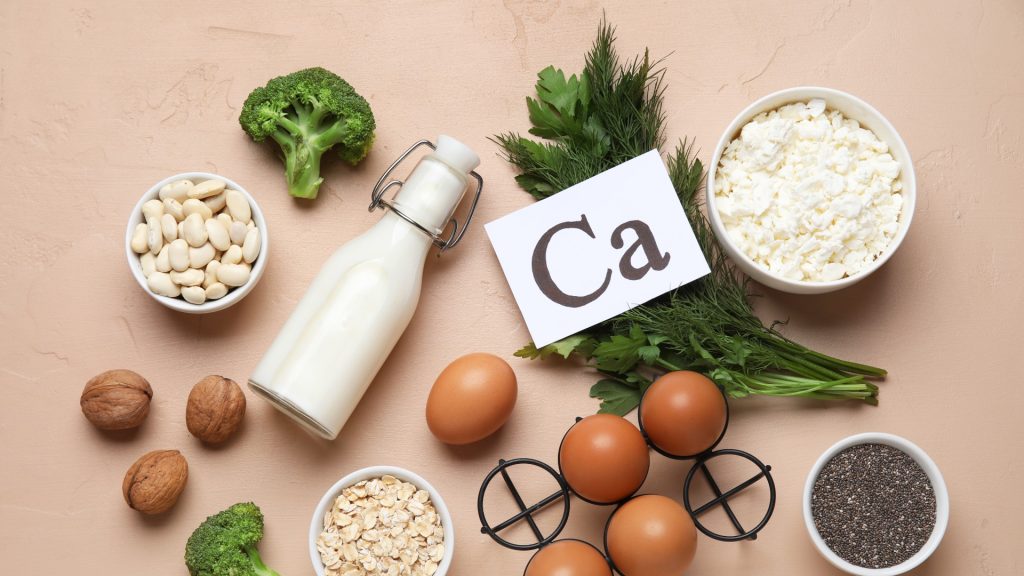
In addition to the main nutrient groups, calcium is an essential mineral that plays an important role in the formation and maintenance of the skeletal system and teeth. For primary school children, adequate daily calcium intake helps develop a comprehensive body structure, from bones and teeth, while also contributing to nervous system activity and cardiovascular function.
When meals are designed scientifically and balanced, children will have the necessary nutrients to develop healthily and form healthy eating habits for effective learning and training activities.
Building A Standard Portion For Primary School Students
To create a standard portion for primary school students, meal providers need to view meals as a complete system, from ingredient sources and dish structure to the distribution of portions throughout the day. A good portion must simultaneously meet requirements for safety, nutritional value, taste, and diversity to suit children in the developmental stage.
Ingredients Meeting Food Safety And Hygiene Standards
This is a mandatory criterion before designing any portion for students. Providers need to have a valid food safety and hygiene certificate, clear and transparent legal documentation, and ingredient sources with specific origins.
When input ingredients are strictly controlled, food safety and hygiene are ensured. In the school environment, this is a fundamental condition to protect students’ health and create reassurance for both parents and schools.
Diversity Of Food Groups For Each Portion
A standard school meal should include a diverse combination of animal-based foods (fish, chicken, beef, eggs, shrimp,...) and plant-based foods (beans, legumes, sesame, peanuts,...) This combination helps children access a rich source of nutrients necessary for growth and daily activities.
In addition to protein and carbohydrates, students’ meals need to be supplemented with green vegetables, seasonal fruits, and tubers. These are sources of fiber, vitamins, and essential minerals that support effective digestive function.
A reasonable meal portion should usually include an alternating starch source such as noodles, glass noodles, rice, vermicelli, porridge, pasta,... accompanied by a savory dish like fried, stir-fried dish, soup, and a fruit dessert. This structure helps create harmony in flavor and color, balances nutrition, and brings excitement to children during meals.
During the portion planning process, schools may also consider vegetarian portions on certain suitable days. Plant-based protein sources such as tofu, mushrooms, and legumes are easy-to-prepare options that enrich meals and expand choices for students. To maintain this balance consistently, many schools work with a professional school canteen service to support menu planning, food preparation, and daily meal quality.

Why It Is Necessary To Build A Structured Portion
Building a standard portion for primary school students helps ensure that children receive sufficient energy for daily learning, physical activities, and play. When portions are designed consistently, schools can more easily control nutritional quality, and parents also have a solid basis to monitor children’s diets during their developmental stage. In addition, a balanced portion contributes to forming healthy eating habits and protecting children’s long-term health.
Common Mistakes When Building Portions For Children
Lack of diversity in portion design is a fairly common mistake in the process of building portions for primary school students. Each food group provides different nutrients; therefore, if children repeatedly eat only a few familiar dishes, the body will struggle to receive enough vitamins, minerals, fiber, and protein necessary for development.
In addition, portions not appropriate for students’ age are also an issue that needs attention. When portions are too small, children may not have enough energy for learning and physical activities. Conversely, if portions are too large compared to actual needs, children can easily experience excess energy intake and uncontrolled weight gain.
Moreover, the lack of appeal and suitability of dishes is another reason why many children skip meals. Even if the portion meets nutritional requirements, dishes still need to match primary school students’ tastes and be prepared and presented attractively so that children feel more excited at every meal.
Sample Standard Portions For Primary School Students
The following sample standard portions for primary school students are designed according to meal times throughout the day to ensure a stable energy rhythm. However, the estimated number of calories may vary depending on each child’s portion.
Portion 1
- Breakfast: Thai-style stir-fried rice noodles or chicken pho
- Lunch:
- Main dish: French-style braised chicken & bread
- Stir-fried dish: Boiled broccoli and carrots
- Soup: Amaranth and Malabar spinach soup
- Dessert: 2 types of fruit
- Afternoon snack: Savory sticky rice or asparagus soup, bread & butter
This portion is designed to create a balance between familiar dishes and newly prepared dishes, helping children feel more interested in meals. Chicken pho in the morning is a familiar choice with a light broth and natural sweetness from chicken, while lunch adds protein, green vegetables, and fruit to support energy recovery after half a day of studying.
Portion 2
- Breakfast: Hue beef noodle soup or stir-fried egg noodles with meat
- Lunch:
- Main dish: Beef pho
- Side dish: Stir-fried bean sprouts
- Dessert: Cantaloupe
- Afternoon snack: Korean kimbap or rice noodles with pork balls and pork ribs
The strength of this portion is increased flexibility in choices, suitable for many students’ tastes. Broth-based dishes such as Hue beef noodle soup or beef pho provide good energy and enhance appetite, accompanied by refreshing cantaloupe and stir-fried bean sprouts to supplement vitamins and fiber.

Portion 3
- Breakfast: Shrimp and pork rice noodles or Vietnamese pyramid rice dumpling
- Lunch:
- Main dish: Rosemary grilled chicken drumstick
- Side dish: Stir-fried napa cabbage with mushrooms
- Soup: Pumpkin soup with shrimp
- Dessert: Fruit
- Afternoon snack: Raisin spiral pastry or bread and butter with milk tea
This portion combines familiar and modern flavors, suitable for a high-quality school environment. Shrimp and pork rice noodles provide a light breakfast with easily absorbed carbohydrates and protein, while pumpkin soup with shrimp provides vitamin A and essential minerals for children’s eye health.
School portions should be continuously varied to create excitement and ensure nutritional diversity for children. Rotating carbohydrate sources from rice, pho, vermicelli, or rice noodles also helps students have more choices, thereby enhancing the eating experience and improving nutrient absorption efficiency.
>>> Explore more about 10+ menu for elementary school students
The Caterers – A Solution For Designing A Standard Portion For Primary School Students
With more than 20 years of experience, a team of over 700 employees, and a professional service orientation, The Caterers is a suitable partner for schools seeking flexible and long-term meal solutions. The brand meets strict food safety and hygiene requirements, builds scientific school meal portions for multiple age groups, and has accompanied leading international schools such as BIS and AIS.
With a transparent supply chain, strict control processes from farm to school, and risk management capacity aligned with international standards such as HACCP, ISO 22000, The Caterers helps schools design flexible portions combining Asian and Western dishes to bring excitement to every meal. In addition, its portion design techniques and R&D team continuously improve and conduct in-depth research on taste preferences, nutritional needs, and school nutrition characteristics, helping schools build meals that are both safe and suitable for real operational conditions.
For schools that are in the process of completing their meal service systems, contact The Caterers – an experienced partner that helps open an effective professional direction in school canteen operations.