Food safety in school catering services is a critical factor that cannot be overlooked in the management of school meals. Behind every meal is not just a story of nutrition, but also the health of students, the peace of mind of parents, and the reputation of the school.
Therefore, when choosing a partner, schools need to properly understand what food safety in school catering services entails, as well as identify key criteria to evaluate whether a provider has the capacity for a long-term partnership.
What Does Food Safety Compliance in School Catering Entail?
Food safety and hygiene is not just a paper-based requirement; it is about how a meal system is controlled in practice when the catering provider enters actual operations. Understanding these two aspects provides a objective baseline for selecting and evaluating partners.
Food Safety
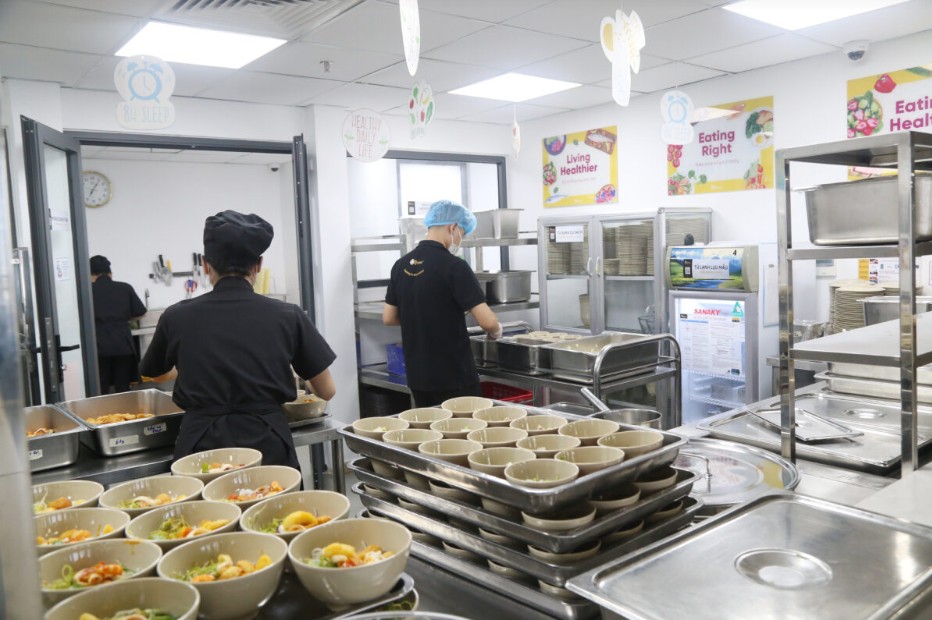
Food safety and hygiene in a school environment is a stringent control process spanning from raw ingredient procurement and food preparation to the moment the food is plated on trays, ensuring every student meal is always clean, wholesome, and absolutely safe. This serves as a "barrier" protecting student health and giving parents complete peace of mind every day.
Every stage must be strictly controlled to mitigate risks and ensure that meals are provided under safe, consistent operational conditions. In other words, food safety in school catering services is the result of a well-structured, end-to-end operational system, rather than just an isolated final inspection of the meal delivered to the student.
Standard Compliance
In addition to food safety and hygiene certification, compliance with food safety standards in school meals refers to the ability to meet exact requirements for facilities, standard operating procedures (SOPs), sanitation, personnel, and quality control throughout the service delivery. To optimize operations, catering services equipped with additional liability insurance will be a major plus, giving schools greater reassurance when choosing a long-term partner.
For schools, the primary concern should not only be whether a provider has a valid portfolio of documents, but whether they can truly maintain that compliance in daily operations. This is the deciding factor for the long-term stability and safety of school catering services.
Legal Framework and Food Safety Portfolios in Schools
Legal compliance and food safety documentation always serve as the initial screening phase when a school evaluates a catering provider.
During the vetting process, schools should look into the corporate legal profile, food safety certificates, personnel training records, health examination certificates, internal quality control (QC) procedures, food sample retention (archiving), and monitoring logs where applicable. Furthermore, additional certifications in quality management systems (e.g., ISO, HACCP) or food safety standards can demonstrate a provider's serious investment in school catering services.
Crucially, paperwork should not be treated as a mere formality. A suitable provider must not only possess clear documentation but must also demonstrate the capability to maintain day-to-day operational compliance.
What Schools Should Consider When Selecting a School Catering Provider
When choosing a catering provider, schools should look beyond sample menus or procedural paperwork. More importantly, they must evaluate the actual suitability, operational capability, and level of safety that the provider can maintain in practice.
Core Requirements
When selecting a catering service provider, pricing must be evaluated alongside other critical criteria such as ingredient sourcing, infrastructure/facilities, kitchen workflows, and food safety management systems. These are the elements that determine the true value of the service provided.
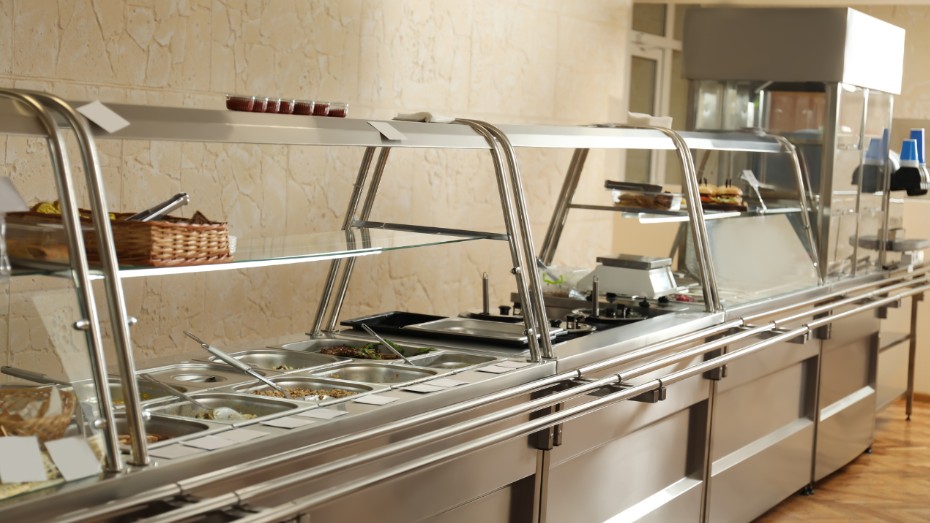
Additionally, schools should comprehensively evaluate the operational workflow, ingredient traceability, quality control mechanisms, and the provider's real-world adaptability before making a decision. The catering facility must meet foundational requirements, including an optimized kitchen layout (one-way workflow), clear input controls, and a well-trained workforce.
In short, auditing food safety in school catering services means assessing the overall operational capacity at every stage, from goods receiving to serving the students.
Advanced Requirements
Once the core criteria are met, schools can proceed to examine advanced factors customized to their unique model and needs. These may include the balance between cost-effectiveness and nutrition, menu flexibility tailored to different grade levels, monthly menu rotation, or culinary diversity to accommodate a multicultural school environment.
While these are not mandatory criteria for every school, they are indicators of long-term partnership compatibility. A premier provider does not just meet current demands; they possess the agility to adapt when the school proposes changes to its operational model or quality expectations.
Pitfalls Schools Should Avoid When Evaluating Catering Providers
One of the most common mistakes is focusing solely on price quotes or sample menus. While these two elements can create a positive first impression, they do not fully reflect a provider's operational capacity or food safety control mechanisms.
Another mistake is conducting a paperwork-only audit without on-site observations. If a school fails to observe how the provider organizes the kitchen, manages raw materials, handles sanitation, or responds to corrective actions when issues arise, the evaluation will lack objectivity.
Furthermore, schools should avoid selecting a provider that lacks experience in the school catering sector. School meals involve highly specific requirements regarding age groups, daily schedules, nutritional science, and coordination with school management. A suitable partner must not only cook well but must thoroughly understand the unique dynamics of the educational environment. This is why schools must carefully consider selection criteria to secure a sustainable, long-term partner.
The Caterers – A School Catering Partner Committed to Food Safety and Compliance
Understanding the needs of schools and parents, The Caterers anchors its school catering services on the core pillars of a premium meal service: food safety, professional operational processes, quality control, and long-term strategic partnership. In addition to strictly complying with kitchen safety standards, The Caterers carries additional corporate liability insurance from QBE Insurance to guarantee transparency and provide direct protection for premium catering operations at schools.
With over 20 years of experience in the catering industry, The Caterers is fully equipped to meet diverse meal service demands across various school environments. Supported by a transparent supply chain, end-to-end quality control from farm to fork, a professionally trained operations team, and a commitment to consistent quality management, The Caterers focuses on designing menus tailored to each school's model and specific student demographics. This serves as the foundation for The Caterers to be a strategic, long-term partner—ensuring meal quality and building trust with parents.