In school meals, desserts add variety in flavour while providing opportunities to include fruit, dairy products and other food groups in the daily menu. Fresh fruit, yoghurt, flan, pudding and sponge cake can be rotated throughout the week to make meals more varied and appealing to students.
Choosing a suitable dessert should take the main meal into account. After fried, grilled or strongly flavoured dishes, fresh fruit and yoghurt often provide a lighter finish. For meals with fewer fried or sweet dishes, flan, pudding or sponge cake can add variety to the menu.
Choosing Desserts That Complement the Main Meal
When planning daily school menus, desserts should be selected to complement the main meal. After fried, grilled or richly flavoured dishes, fresh fruit and yoghurt can offer a lighter, more refreshing finish. For lighter meals, flan, pudding or sponge cake can provide additional variety in flavour and texture.
Rotating fruit, dairy products and lightly sweetened desserts also helps introduce a wider variety of food groups into students' diets. This approach reflects the principles of the nutrition pyramid for students, which encourages a balanced variety of foods throughout the day.
8 School Dessert Ideas to Include in Students' Weekly Menus
From fresh fruit and yoghurt to cakes and soft desserts, each option offers different flavours, textures and nutritional benefits. Here are eight school dessert ideas that can be included in students' menus and rotated throughout the week.
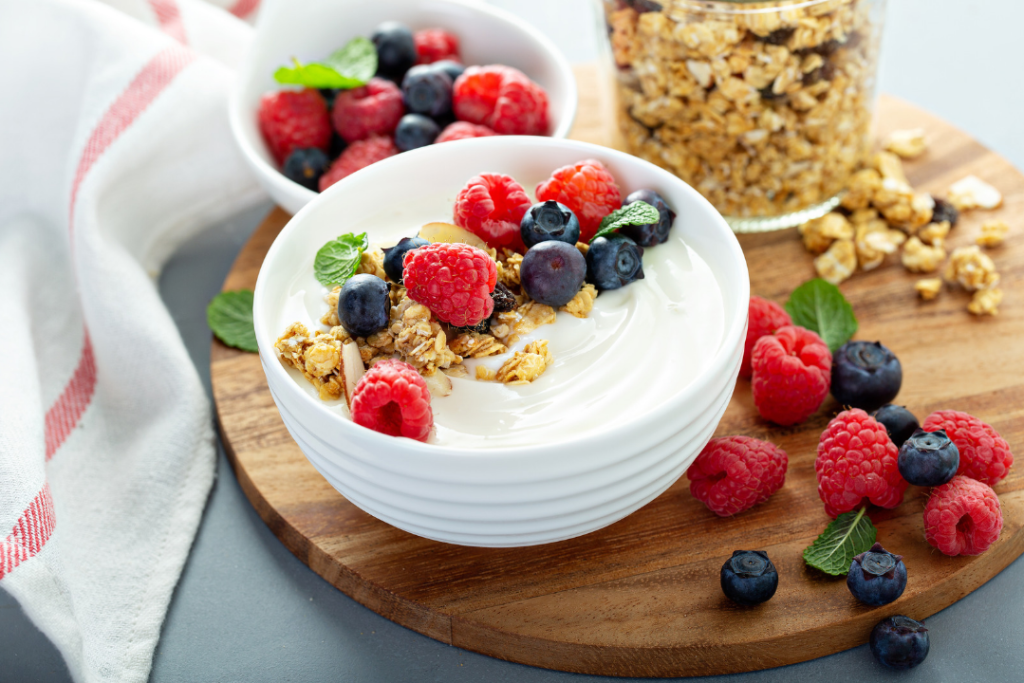
1. Fresh Seasonal Fruit
Watermelon, dragon fruit, oranges, bananas, papaya and pineapple are familiar choices that can easily be included in school menus. Rotating seasonal fruit also allows students to enjoy a wider range of flavours, colours and textures.
- Role in the meal: fresh fruit provides fibre, vitamins, minerals and natural water content. Its refreshing flavour also makes it an enjoyable way to finish a meal, particularly after richly flavoured dishes.
- How to include it in the menu: fruit can be served regularly, with selections changing according to seasonal availability. It works particularly well on days when the main meal includes fried, grilled or sauce-based dishes. For younger students, fruit should be cut into manageable pieces and prepared close to serving time.
2. Yoghurt with Fresh Fruit
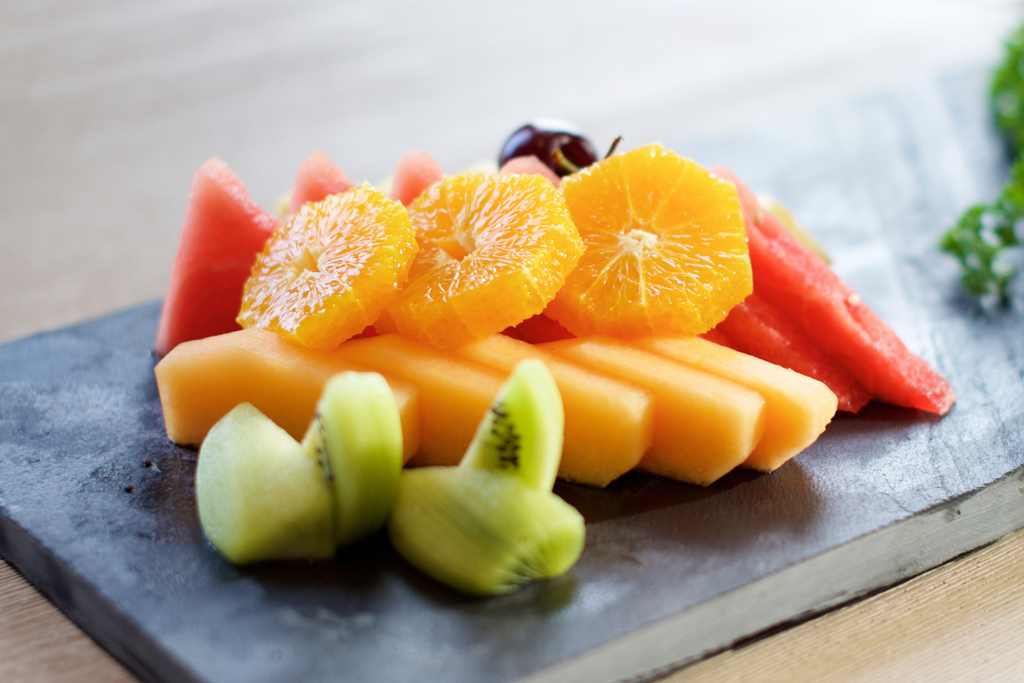
Combining yoghurt with bananas, dragon fruit, strawberries or other soft fruits creates a dessert with a gently sweet and tangy flavour. The combination also offers a wider range of tastes and textures than serving either ingredient on its own.
- Role in the meal: yoghurt provides protein and calcium, while fruit contributes fibre, vitamins and minerals. Some yoghurts also contain live cultures that provide beneficial bacteria and may help support digestive health.
- How to include it in the menu: this dessert works well after protein-rich or strongly flavoured main meals, as its mild tanginess and cool texture provide a refreshing finish. It should be kept refrigerated until serving, with suitable alternatives available for students who cannot consume dairy products.
3. Fruit Jelly
Fruit jelly has a soft, refreshing texture and can be combined with small amounts of fresh fruit to add natural colour and flavour.
- Role in the meal: fruit jelly introduces a different texture from fresh fruit, yoghurt and cakes, helping make the dessert selection more varied.
- How to include it in the menu: fruit jelly can be offered occasionally as an alternative to dairy-based desserts. Recipes should use limited amounts of added sugar and syrup, while the texture should be adjusted to make the dessert suitable for younger students.
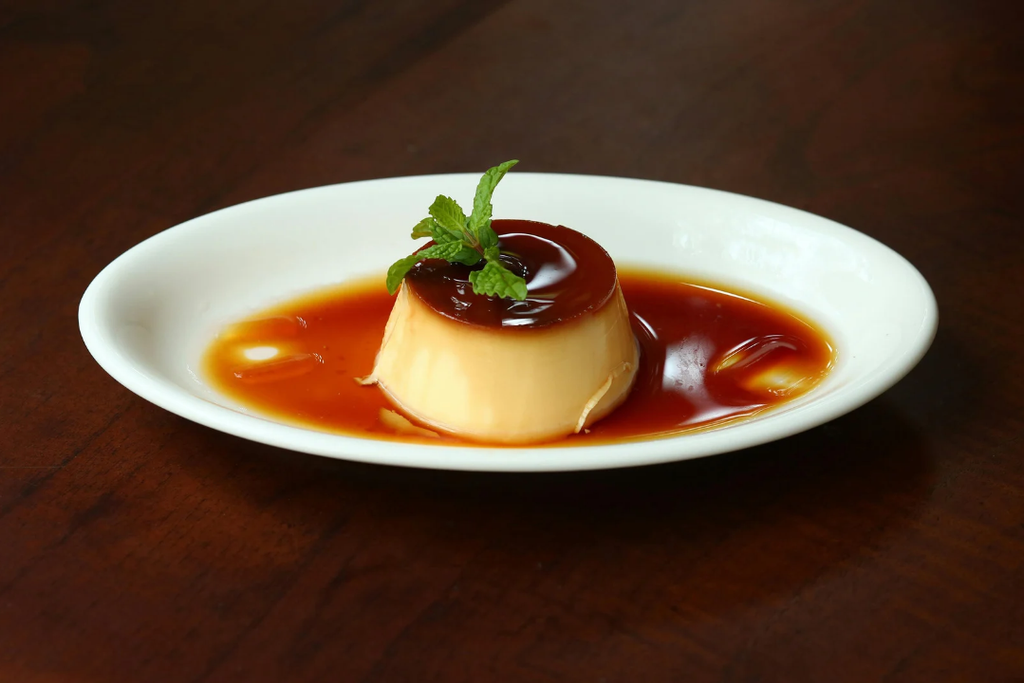
4. Crème Caramel (Flan)
Crème caramel, commonly known as flan in Vietnam, is made mainly from eggs and milk. Its smooth, soft texture and familiar flavour make it a popular dessert among students. It can also be prepared in individual portions before mealtime.
- Role in the meal: eggs and milk provide protein, calcium and energy, making flan an alternative to fruit-based desserts.
- How to include it in the menu: flan is best rotated into menus on days when the main meal does not include many fried foods, cakes or sweet drinks. Smaller portions are generally more suitable because flan already contains some fat and sugar. Alternative desserts should be available for students with egg or milk allergies.
5. Milk Pudding
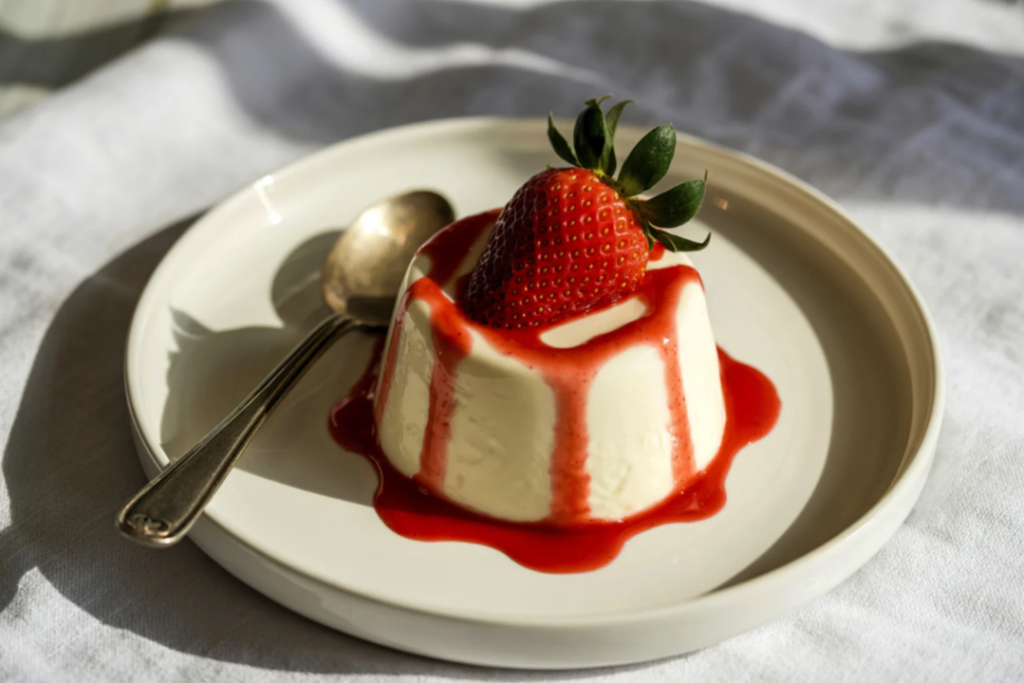
Milk pudding has a soft, smooth texture and can be prepared in different flavours, such as vanilla or cocoa, or served with a small amount of fruit. Preparing individual cups in advance also makes it easier for schools to plan portion numbers before service.
- Role in the meal: milk pudding provides another way to include dairy products in the menu while offering an alternative to fruit, yoghurt and cakes.
- How to include it in the menu: pudding works well on days when the main meal has milder flavours and does not already include several sweet items. The amount of sugar in the recipe should be adjusted to prevent the dessert from being overly sweet.
6. Lightly Sweetened Mung Bean Dessert
Mung bean dessert, known as chè đậu xanh in Vietnam, has a soft texture and a naturally nutty flavour. It is a familiar Vietnamese sweet dish that can be prepared with less added sugar to allow the natural flavour of mung beans to stand out.
- Role in the meal: mung beans provide carbohydrates, plant-based protein and some fibre, offering another dessert option alongside fruit and dairy products.
- How to include it in the menu: this dessert is best served occasionally rather than every day, particularly when the rest of the menu contains fewer sweet foods or drinks. Smaller portions allow it to complement lunch without making students feel overly full.
7. Mini Sponge Cakes
Sponge cakes have a soft texture, are easy to eat and can be divided into individual portions. Simple versions with little or no icing are generally more suitable for school meals than cakes with rich fillings or multiple toppings.
- Role in the meal: sponge cakes provide energy from flour, eggs and milk while offering a different option from chilled desserts.
- How to include it in the menu: mini sponge cakes are suitable on days when the main meal is relatively light and does not already contain large amounts of starchy or sweet foods. Their smaller size also makes portion control and classroom meal service more manageable.

8. Plain or Low-Sugar Yoghurt
Plain or low-sugar yoghurt is a simple choice for schools looking to offer something different from fruit while keeping dessert light and easy to serve.
- Role in the meal: yoghurt provides protein and calcium. Products containing live cultures may also supply beneficial bacteria that help support digestive health.
- How to include it in the menu: yoghurt can be rotated into menus after protein-rich or strongly flavoured main meals. Its mild tanginess provides a refreshing finish. Yoghurt should be kept refrigerated, and suitable alternatives should be offered to students who cannot consume dairy products.
How Schools Can Rotate Desserts Throughout the Week
Schools can develop a selection of familiar desserts and rotate them across the school week. Fruit, yoghurt, cakes and soft desserts can be varied through different ingredients and combinations, keeping the menu interesting while offering students foods they already know and enjoy.
| Day | Suggested dessert | How to include it in the menu |
| Monday | Seasonal fruit | Serve after fried, grilled or strongly flavoured main dishes |
| Tuesday | Yoghurt | Include on days with several protein-rich dishes |
| Wednesday | Crème caramel (flan) | Choose when the main meal contains fewer sweet or fried foods |
| Thursday | Yoghurt with fresh fruit | Combine fruit and dairy products in one dessert |
| Friday | Mini sponge cake or fruit jelly | Add variety in flavour and texture to finish the week |
Depending on the main meal served each day, schools can adjust desserts to create a more balanced menu. Fruit and yoghurt generally complement richer dishes, while flan, pudding and sponge cake can be rotated into lighter meal days.
For younger students, dessert portions and preparation methods should also be adjusted according to age. This is an important consideration when developing menus for primary school students, as serving sizes, food textures and preparation methods need to suit the eating abilities of different age groups.
Choosing Desserts Based on Students' Ages and Overall Meal Balance
Alongside rotating desserts throughout the week, portion sizes should be adjusted to suit students' ages. A serving of cake, fruit or pudding for primary school students will differ from one intended for older students, both in quantity and the size of individual pieces.
- Portion sizes: portions should be based on students' ages, the amount of food provided in the main meal and the type of dessert. Cakes, sweet soups and puddings may require smaller servings than fresh fruit.
- Sweetness: desserts should be considered alongside drinks, afternoon snacks and other foods served throughout the day to avoid including too many sugary items in the same menu.
- Food groups: if the main meal or overall daily menu contains limited fruit or dairy products, desserts can provide an opportunity to include these food groups.
- Texture: fruit should be cut into manageable pieces, while flan, pudding and jelly should have a texture suitable for younger students.
- Food allergies: desserts containing milk, eggs, nuts or other potential allergens should be clearly identified before being included in the menu.
These factors should be considered as part of the overall meal rather than in isolation. The nutritional standards for school meals also emphasise balancing food groups and meeting age-appropriate nutritional needs, rather than assessing individual dishes alone.
Proper Storage and Handling of School Desserts
Fresh fruit, yoghurt, flan and pudding each have different storage requirements. Fruit should be prepared close to serving time to maintain freshness, while desserts made with dairy products or eggs need to be kept refrigerated until service. For sponge cakes, proper storage helps maintain their softness and flavour.
When serving large numbers of students within a limited period, dessert preparation and storage need to be carefully coordinated. This is particularly important for pre-cut fruit and chilled desserts, where food safety in school meal services must be maintained throughout preparation, storage and service.
The Caterers – School Meal and Canteen Solutions
With more than 20 years of experience in the catering industry, The Caterers specialises in providing school catering and canteen management services for schools in Ho Chi Minh City and other locations. Menus are developed around students' ages, portion requirements and dietary needs, covering everything from main courses, vegetables and soups to fruit and desserts.
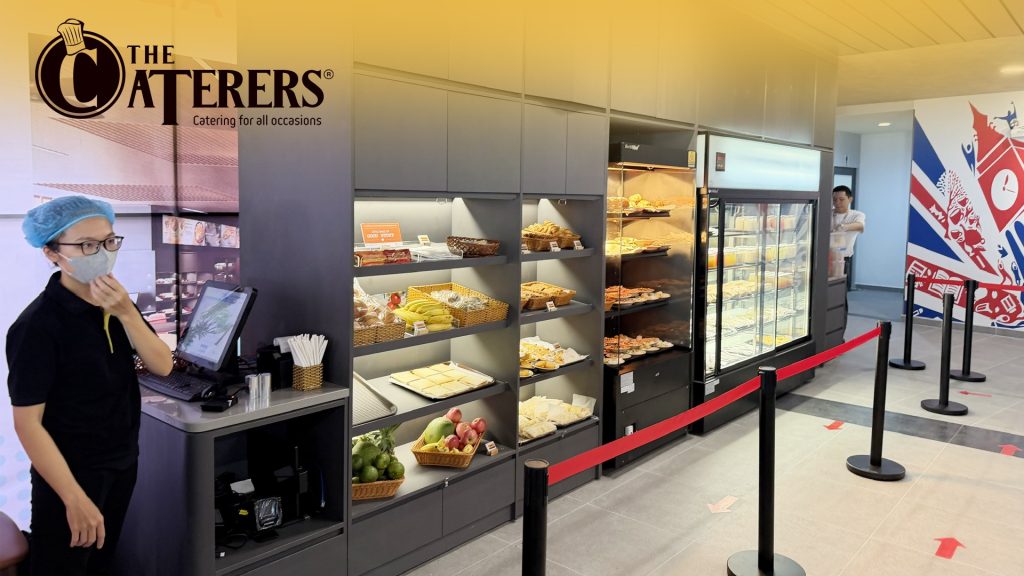
Beyond menu development, The Caterers manages food preparation, cooking, portioning and meal service according to each school's operational requirements. With the capacity to serve more than 20,000 meals daily and experience working with over 50 international schools, The Caterers focuses on providing varied, safe and suitable meals for school environments.
For schools seeking a reliable catering provider or professional canteen management services, The Caterers can recommend tailored solutions based on student numbers, age groups, available facilities and the school's preferred service model.
- Hotline: 028 3812 6901
- Email: sales@thecaterers.vn
- Website: www.thecaterers.vn
- Address: 15-15A Đỗ Công Tường, Tân Sơn Nhì, Hồ Chí Minh 70000, Vietnam