Primary school children need energy for learning, play and physical activities throughout the day. Lunch not only helps them stay active during the afternoon but also provides an opportunity to include a variety of food groups, such as carbohydrates, meat, fish, eggs, vegetables and fruit, in their daily diet.
When planning lunch menus for primary school students, meals should also be adapted to children's ages, nutritional needs and eating habits. Some children eat smaller portions or feel full quickly, while others may avoid vegetables or fish. More active children may have different energy needs, and some students can lose interest when the same dishes are served too often. By keeping a balanced lunch structure and varying ingredients and cooking methods, schools and parents can make meals more enjoyable while maintaining nutritional variety.
Why Is Lunch Important for Primary School Students?
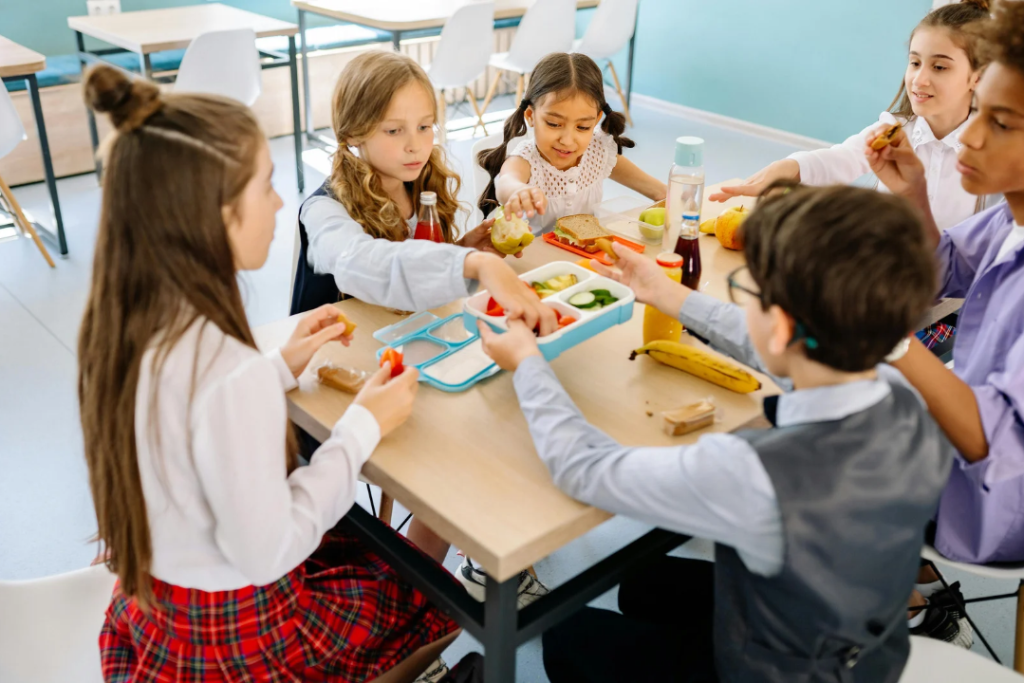
For children who spend the full day at school, lunch comes between periods of learning and physical activity. A meal containing carbohydrates, protein-rich foods, vegetables and fruit helps replenish energy after the morning and supports children's activities throughout the rest of the day.
In schools, menu planning also needs to consider student numbers, age groups, meal schedules and service arrangements. Whether lunch is prepared at home or at school, it should include a varied combination of carbohydrates, protein-rich foods, vegetables and fruit. This approach is consistent with the principles of the nutrition pyramid for students, which encourages dietary variety and helps meet children's nutritional needs.
8 Nutritious Lunch Menu Ideas for Primary School Students
The following lunch menus feature familiar dishes that are easy to combine and can be adjusted to suit children's preferences. Each menu also considers a different eating habit or dietary need, giving parents and school menu planners more practical options when preparing lunch.
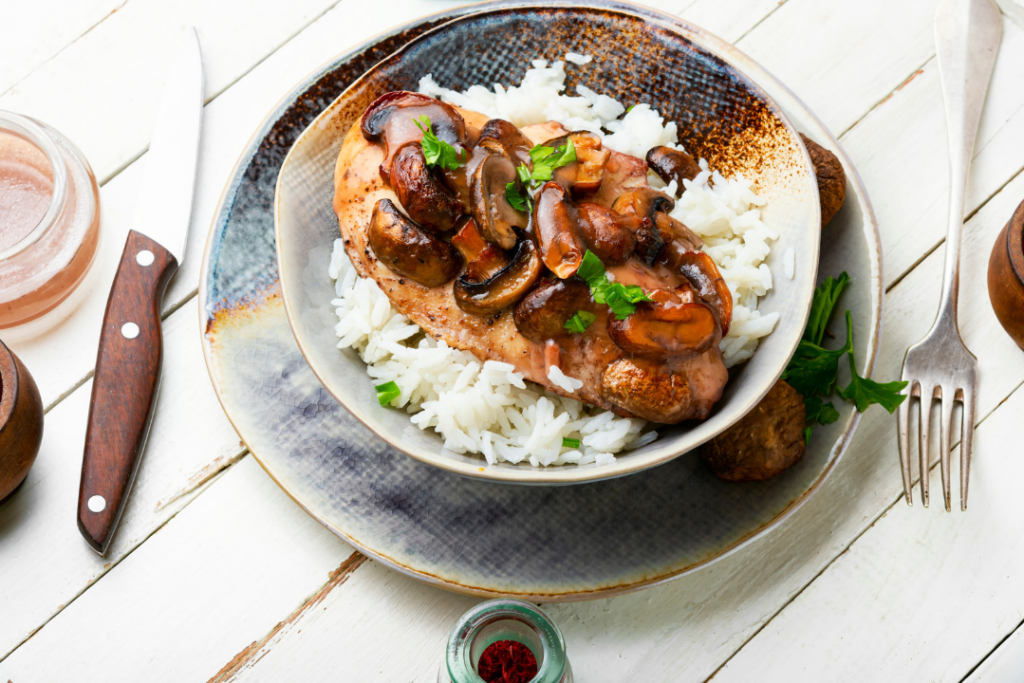
Menu 1: Rice with Chicken in Mushroom Sauce
- Carbohydrates: Steamed rice
- Main course: Chicken in mushroom sauce
- Vegetable/side dish: Steamed egg with vegetables
- Soup: Pumpkin soup
- Dessert: Yoghurt
Suitable for: children who are smaller or less robust, tend to eat small portions or feel full quickly.
Preparation tips: cut the chicken into bite-sized pieces and cook it in mushroom sauce to keep the meat tender and moist. Carrots, sweetcorn or other vegetables added to the steamed egg can be finely chopped to make them easier for children to eat.
Chicken, eggs and yoghurt provide several sources of protein in one meal, while pumpkin and vegetables contribute fibre, vitamins and minerals. Most dishes have a soft texture and are not overly dry, making the meal easier for children with smaller appetites to enjoy without needing excessively large portions.
Menu 2: Rice with Pan-Seared Fish Fillet
- Carbohydrates: Steamed rice
- Main course: Pan-seared fish fillet
- Vegetable/side dish: Steamed broccoli and carrots
- Soup: Vegetable soup
- Dessert: Dragon fruit
Suitable for: children who may be at risk of becoming overweight, are less physically active or would benefit from eating deep-fried foods less frequently.
Preparation tips: pan-sear the fish using a moderate amount of oil and serve it with a light tomato or lemon sauce. Steam the vegetables until just tender to retain their natural colour and texture.
This menu combines rice, fish, vegetables, soup and fruit, using lighter cooking methods such as pan-searing, steaming and simmering. Fish provides the main source of protein, while vegetables and dragon fruit contribute fibre, vitamins and minerals. For children who have been identified as having weight-related concerns, portions should be adjusted according to their individual nutritional status and professional guidance.
Menu 3: Rice with Vegetable Meatballs in Tomato Sauce
- Carbohydrates: Steamed rice
- Main course: Meatballs with vegetables in tomato sauce
- Vegetable/side dish: Steamed broccoli
- Soup: Pumpkin soup
- Dessert: Watermelon
Suitable for: children who eat very few vegetables or regularly leave vegetables on their plates.
Preparation tips: finely chop carrots, onions or small amounts of other vegetables and mix them into the meatballs. As children become more familiar with the dish, different vegetables can be introduced or the vegetable content gradually increased.
Vegetables are included in several ways throughout this meal, from those mixed into the meatballs to pumpkin in the soup and broccoli served on the side. This approach allows children to experience vegetables through different flavours and textures rather than relying on a single vegetable side dish that they may leave uneaten.
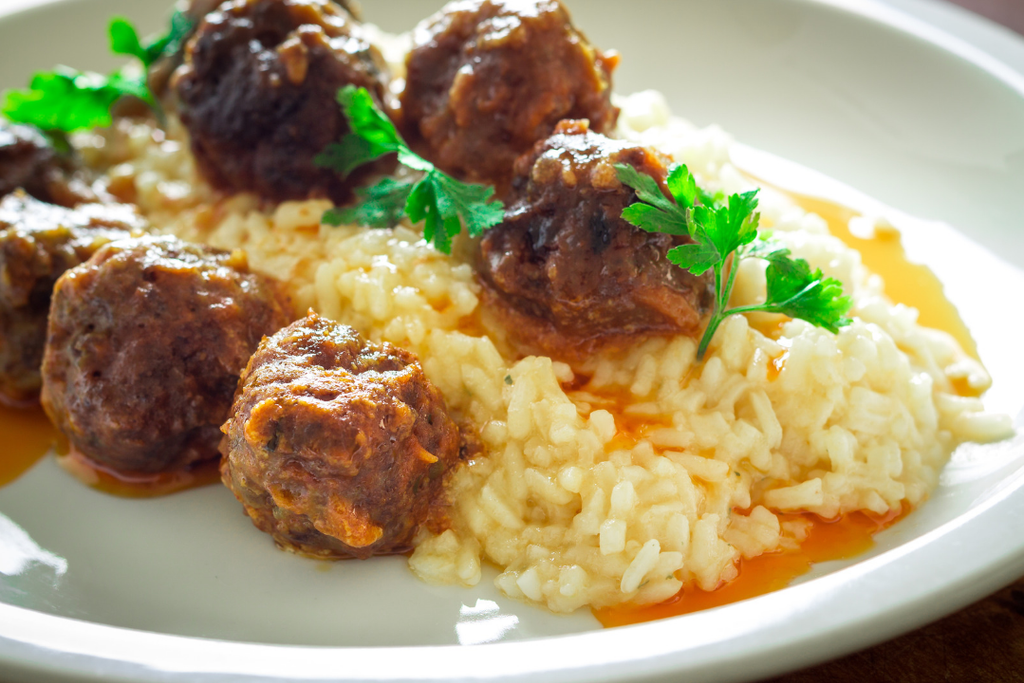
Menu 4: Rice with Fish Cakes in Tomato Sauce
- Carbohydrates: Steamed rice
- Main course: Fish cakes in tomato sauce
- Vegetable/side dish: Stir-fried green beans
- Soup: Choy sum soup
- Dessert: Banana
Suitable for: children who are not familiar with eating fish or tend to avoid it because of its smell, bones or texture.
Preparation tips: choose fish cakes with a high fish content, use mild seasoning and cook them in a gently sweet and tangy tomato sauce. The fish cakes can be lightly pan-seared before being added to the sauce to enhance their flavour without deep-frying.
Fish cakes have a soft texture, are easier to eat without concerns about bones and offer flavours that are familiar in many Vietnamese family meals. Combined with tomato sauce, green beans, choy sum and banana, this menu provides an approachable option for children who are hesitant to eat fish while adding vegetables and fruit for greater variety.
Menu 5: Rice with Pan-Seared Chicken and Vegetable Egg Rolls
- Carbohydrates: Steamed rice
- Main course: Pan-seared chicken
- Vegetable/side dish: Rolled omelette with vegetables
- Soup: Potato and carrot soup
- Dessert: Orange
Suitable for: fussy eaters or children who are comfortable with only a limited range of familiar foods.
Preparation tips: keep a familiar main course that the child already enjoys, then gradually introduce different vegetables through the rolled omelette or soup. There is no need to include too many unfamiliar ingredients in one meal.
Chicken, eggs and potatoes have familiar flavours that can make this menu more approachable for fussy eaters. Vegetables are gently incorporated into the omelette and soup, helping children gradually become familiar with a wider range of foods while still enjoying a reassuring and recognisable meal.
Menu 6: Rice with Stir-Fried Beef and Vegetables
- Carbohydrates: Steamed rice
- Main course: Stir-fried beef with vegetables
- Side dish: Steamed egg
- Soup: Winter melon soup
- Dessert: Banana or yoghurt
Suitable for: children who are highly active or regularly participate in sports and physical activities.
Preparation tips: slice the beef thinly and stir-fry it quickly to keep it tender. Carrots, broccoli or capsicum can be added to introduce more colour, flavour and variety.
Beef and eggs provide additional sources of protein, while vegetables, soup, fruit or yoghurt contribute vitamins, minerals and fibre. For more physically active children, portion sizes can be adjusted across the rice, main course and other dishes rather than simply increasing the amount of rice. This helps better support their overall energy needs throughout the day.
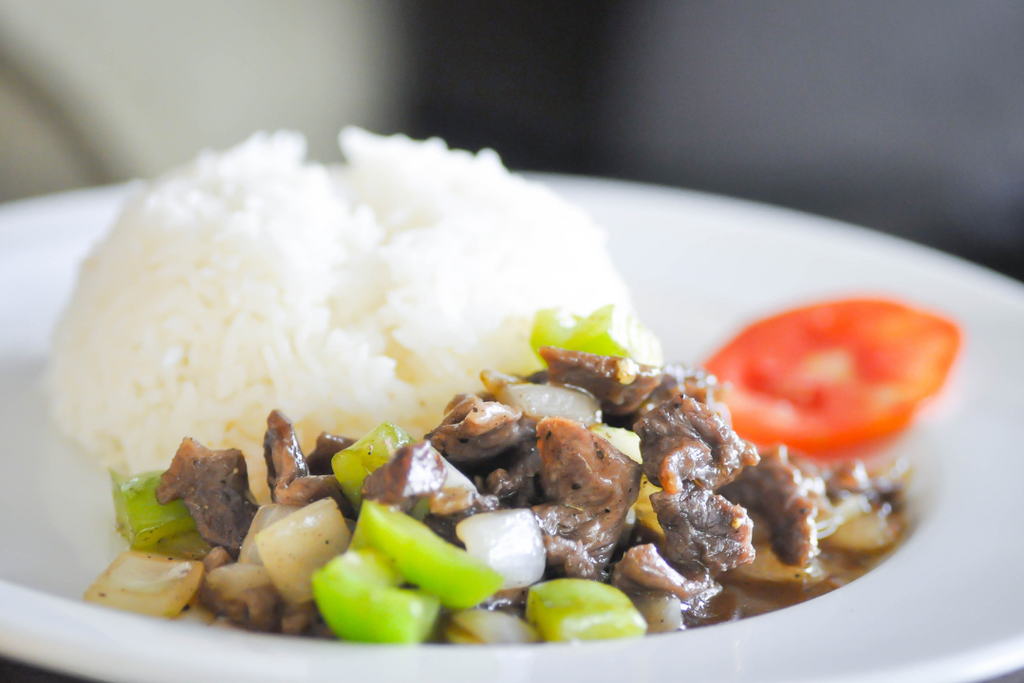
Menu 7: Rice with Tofu and Minced Pork in Tomato Sauce
- Carbohydrates: Steamed rice
- Main course: Tofu and minced pork in tomato sauce
- Vegetable/side dish: Bok choy
- Soup: Mixed vegetable soup
- Dessert: Papaya
Suitable for: children who would benefit from more variety in their protein sources or whose usual menus contain a high proportion of meat dishes.
Preparation tips: cook the tofu in tomato sauce to keep it moist and easy to eat with rice. The ratio of minced pork to tofu can be adjusted, or a small amount of mushrooms can be added to vary the flavour.
Combining tofu and minced pork creates a soft, easy-to-eat dish that provides both plant-based and animal-based protein. Bok choy, mixed vegetable soup and papaya add vegetables, fruit and a wider range of flavours, making lunch more varied while keeping the dishes familiar to children.
Menu 8: Rice with Honey-Glazed Grilled Chicken
- Carbohydrates: Steamed rice
- Main course: Honey-glazed grilled chicken
- Vegetable/side dish: Broccoli and carrots
- Soup: Sweet leaf soup with minced pork
- Dessert: Watermelon
Suitable for: children who generally eat well but may lose interest when meals repeatedly feature similar flavours or cooking methods.
Preparation tips: use honey and seasonings sparingly to create a mild flavour. Grill the chicken until fully cooked while keeping the meat tender and moist, particularly when preparing meals for younger children. Use only enough honey to add a gentle sweetness and aroma, while limiting additional sugar and sweet sauces.
Honey-glazed grilled chicken offers a different flavour from everyday chicken dishes. Paired with broccoli, carrots, sweet leaf soup and watermelon, the meal includes vegetables and fruit while remaining light, familiar and enjoyable for children.
Adjusting School Lunches to Suit Different Eating Habits
Every child has different food preferences, eating abilities and levels of physical activity. Beyond including a variety of food groups, cooking methods and portion sizes should therefore be adapted to make lunch easier to enjoy and help children maintain an interest in their meals.
For Children Who Eat Small Portions or Feel Full Quickly
Prioritise soft, easy-to-eat and nutrient-rich foods such as meat, fish, eggs, tofu and dairy products. Dishes with sauce, broth or a little moisture are often easier to eat with rice than foods that are too dry. Portions should be presented in manageable amounts so children do not feel overwhelmed at the beginning of the meal.
For Children Who May Be at Risk of Becoming Overweight
Lunch should still include carbohydrates, protein, vegetables and fruit. The main adjustments should focus on portion sizes and cooking methods. Schools and parents can offer more steamed, boiled, braised or pan-seared dishes while reducing the frequency of deep-fried foods, soft drinks and heavily iced cakes. If a child has been identified as overweight or living with obesity, meal portions should be planned following a professional assessment rather than removing an entire food group without guidance.
For Children Who Eat Very Few Vegetables
Vegetables can be included in several ways rather than being served only as a separate side dish. Vegetable omelettes, meatballs with carrots, pumpkin soup or rice combined with vegetables are all ways to introduce vegetables more naturally. Varying their colours, textures and types across meals can also help keep the experience interesting.
For Children Who Are Reluctant to Eat Fish
Soft, low-bone or boneless dishes such as fish cakes, fish fillets or fish in tomato sauce are often easier for children to accept. Start with a small serving alongside familiar flavours, then gradually increase the amount as children become more comfortable with the smell and texture of fish.
For Fussy Eaters
Including a few familiar dishes in each meal can help children feel more comfortable at lunchtime. New ingredients can then be introduced gradually, such as adding vegetables to omelettes, meatballs or soups. This approach allows children to expand the range of foods they enjoy without feeling pressured to try too many unfamiliar dishes at once.
For Highly Active Children
On days with more physical activity, lunch should provide sufficient energy as well as protein. Portions can be adjusted across the rice, main course and accompanying dishes rather than simply adding more carbohydrates. Fruit, milk or yoghurt can also be included depending on the day's menu and the child's actual activity level.
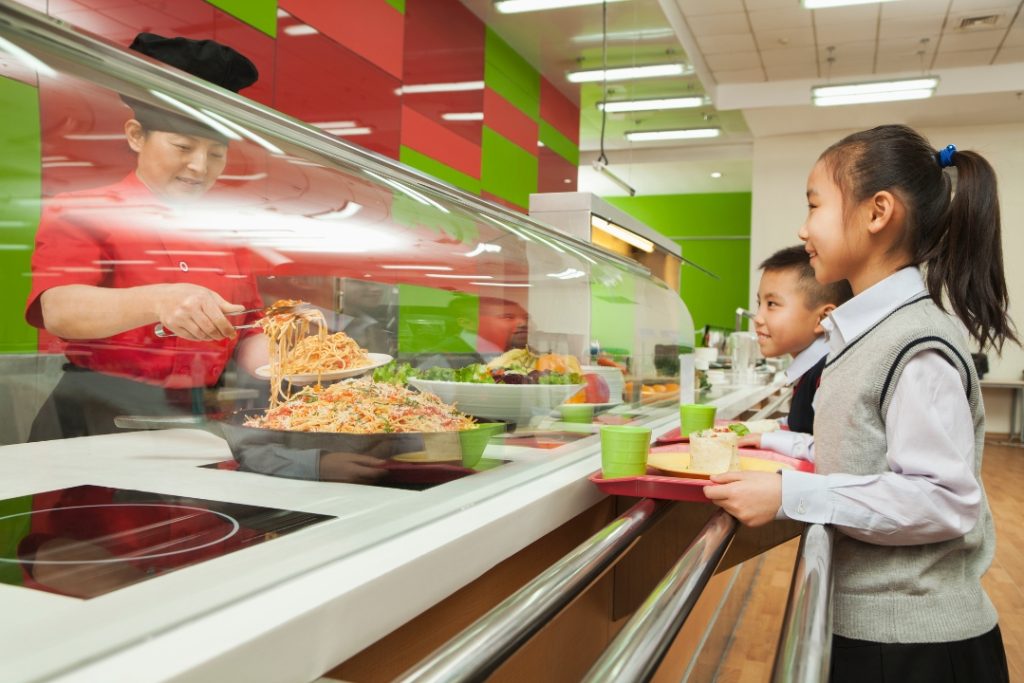
Adjusting Lunch Portions According to Age and Individual Needs
Even within primary school, there can be significant differences between the eating abilities of Year 1 and Year 5 students. The amount of rice, meat, vegetables or fruit served to younger children should not automatically be the same as the portions provided to older students.
Beyond age, children's physical development and activity levels also influence how much food they need. Children who are regularly active may require more energy, while those with smaller appetites may benefit from a greater focus on food quality and nutritional value rather than simply increasing portion sizes.
When determining appropriate food quantities, schools and parents can refer to school meal portions by age group for further guidance on distributing foods across different stages of childhood.
How to Keep School Lunches Varied and Interesting
Variety does not necessarily mean introducing completely new ingredients every day. A familiar food can offer a different eating experience when prepared using another cooking method or paired with different side dishes.
Schools and parents can rotate:
- chicken, fish, pork, beef, eggs and tofu;
- steamed, braised, grilled, pan-seared and stir-fried dishes;
- leafy greens, root vegetables and seasonal vegetables;
- leafy vegetable soups, mixed vegetable soups or soups with tofu;
- fresh fruit, yoghurt and other light desserts.
For example, chicken can be served in mushroom sauce one week, pan-seared the next and honey-glazed in another. Fish can also be prepared in tomato sauce or lightly pan-seared. Rotating cooking styles in this way helps children continue enjoying familiar ingredients without having exactly the same dishes too frequently.
The Caterers – School Meal and Canteen Solutions
With more than 20 years of catering experience, The Caterers specialises in providing school catering and canteen management services in Ho Chi Minh City and other locations. Menus are developed according to students' ages, portion requirements and eating habits, with a rotating selection of ingredients to provide greater variety throughout the school year.
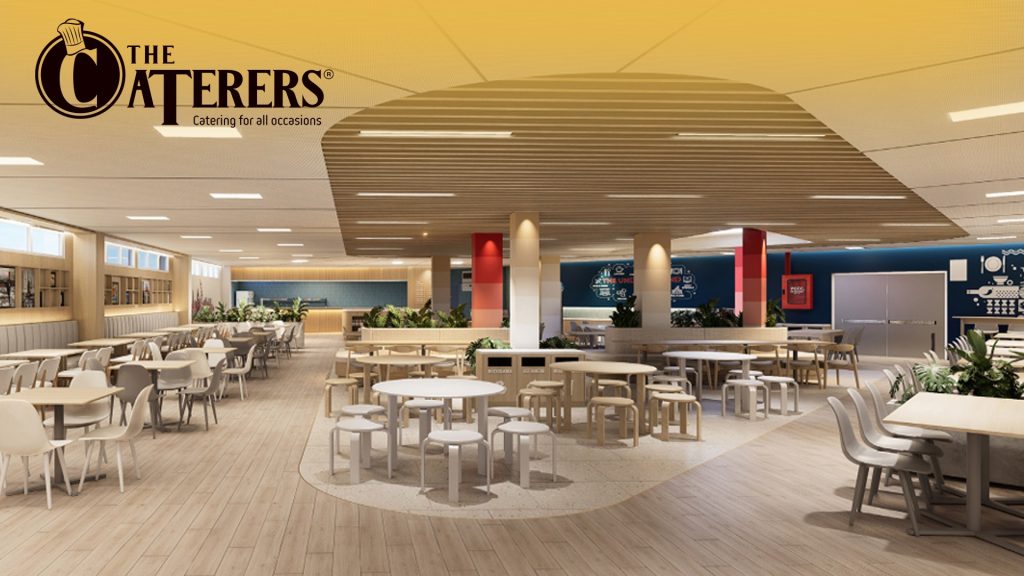
Alongside developing varied menus, The Caterers focuses on food preparation, cooking, portioning and service procedures to deliver safe, balanced meals suited to the school environment. With the capacity to serve more than 20,000 meals each day and experience supporting over 50 international schools, The Caterers places nutrition, food safety and students' dining experiences at the centre of its services.
For schools seeking a reliable school meal provider or professional canteen management services, The Caterers can recommend tailored solutions based on student numbers, age groups, available facilities and the school's preferred service model.
- Hotline: 028 3812 6901
- Email: sales@thecaterers.vn
- Website: www.thecaterers.vn
- Address: 15-15A Đỗ Công Tường, Tân Sơn Nhì, Hồ Chí Minh 70000, Vietnam