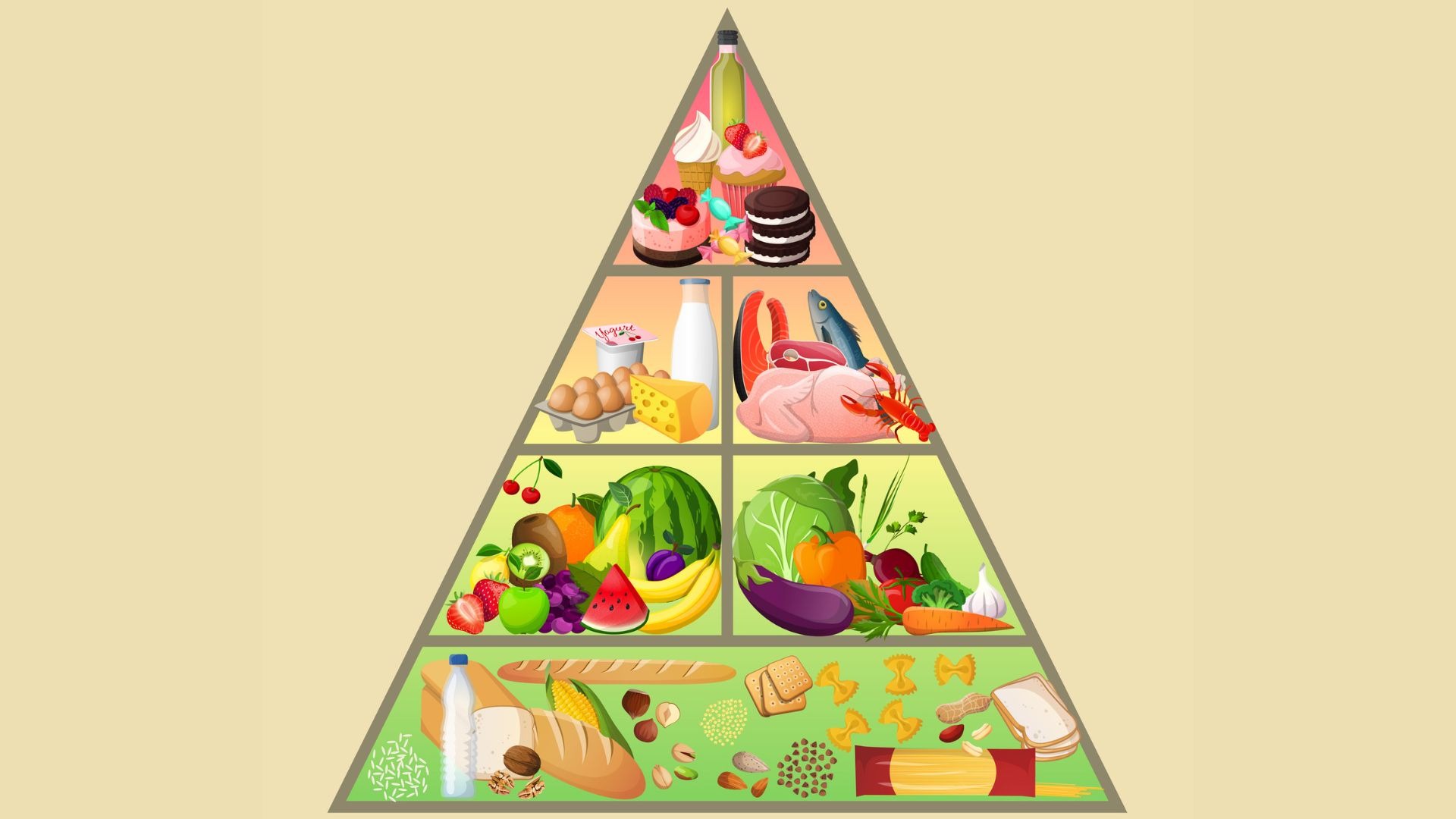
A day-boarding meal plan is an important part of caring for students at school, particularly in educational settings where students study and take part in activities throughout the day. Beyond meeting students’ food needs while they are at school, the meal plan also needs to provide a balance of nutrition, taste preferences, and eating habits appropriate for different age groups. A well-planned meal plan should meet students’ age-specific energy needs, provide a balance of essential nutrients, and offer a wide variety of foods and dishes.
So, what is a day-boarding meal plan, what meals does it typically include during the day, and what are the key principles for creating a meal plan for students? This article covers the essential information you need to know.
What Is a Day-Boarding Meal Plan? How Many Meals Does It Include?
A day-boarding meal plan is a plan of meals and dishes developed by a school to provide food for students while they study and take part in activities at school during the day. Unlike arrangements where students have only one meal at school, day-boarding typically runs from morning to afternoon. The meal plan therefore needs to be structured appropriately to meet students’ food and nutritional needs throughout their time at school.
In general, a day-boarding meal plan may include two to three meals served at school, depending on the timetable and organisational model of each educational institution. These may include:
- Breakfast: Served at some schools that start their full-day programme early in the morning, helping students get the energy they need to begin their school day.
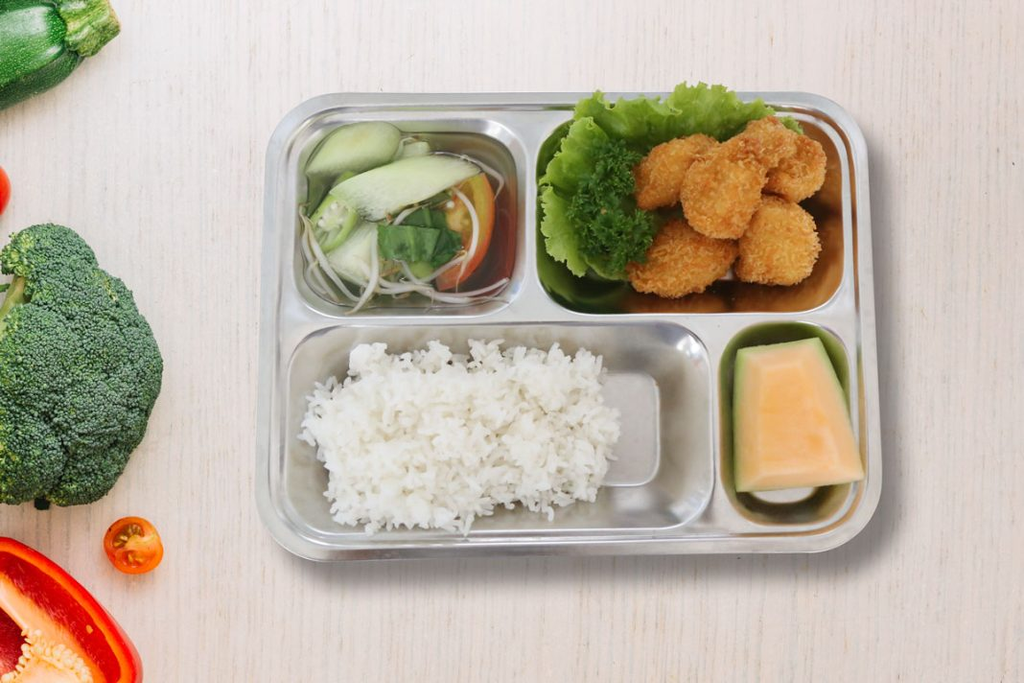
- Lunch: The main meal and an important part of most day-boarding meal plans. It is typically planned with a main dish, savoury dish, vegetables, soup, and other additions suitable for the students’ age group.
- Afternoon snack: Served in the afternoon to provide additional energy before students finish their school day or while they wait for their parents to pick them up.
The number of meals and how they are distributed throughout the day can be adjusted based on students’ ages, school schedules, and the specific needs of each school. For preschools and primary schools, meal planning generally requires greater attention to food variety, age-appropriate flavours, and children’s ability to digest and absorb nutrients.
Principles for Creating a Balanced Day-Boarding Meal Plan
Ensure Sufficient Energy for Each Age Group
Students’ energy needs vary depending on their age, gender, level of physical activity, and the amount of time they spend at school. Therefore, the amount of energy provided through day-boarding meals should be calculated based on the number of meals students have at school, rather than applying the same portion size to all age groups.
For students who have lunch at school, this meal generally needs to provide around 40–50% of their average daily energy needs. If the school also provides an afternoon snack, this meal can contribute around 5–10% of daily energy needs according to Viet Nam’s Minister of Health, helping provide additional energy between periods of study.
Therefore, when evaluating a day-boarding meal plan, schools should not only consider whether students feel full, but also whether the portions provide an appropriate amount of energy for their age and level of physical activity.
Balance the Main Nutrient Groups
In addition to providing sufficient energy, a day-boarding meal plan should provide adequate and balanced amounts of essential nutrients, including carbohydrates, protein, fat, vitamins, and minerals. Balancing these nutrient groups helps ensure that meal portions better meet students’ nutritional needs during their school years.
According to the nutritional guidelines for school-age children from Vietnam's Ministry of Health, the following energy distribution can be used as a reference:
- Protein: around 13–20% of total energy intake
- Fat: around 20–30% of total energy intake
- Carbohydrates: around 55–65% of total energy intake
These ratios give schools and meal service providers a basis for balancing meal portions, rather than choosing dishes based only on students’ preferences or eating habits.
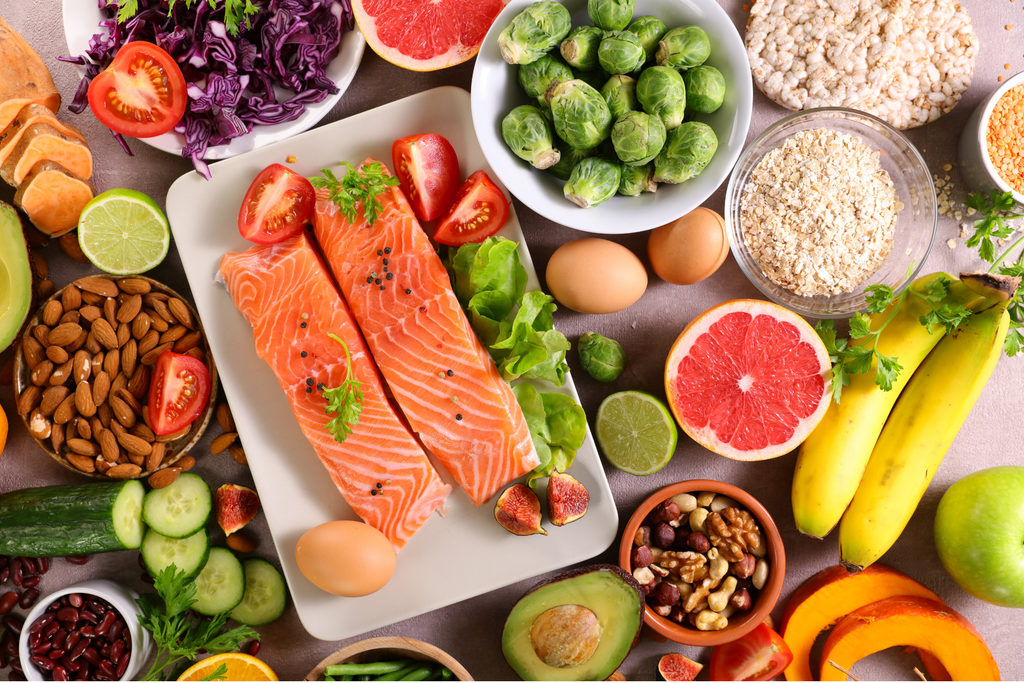
When planning meals, schools should combine a variety of food sources, including meat, fish, eggs, seafood, legumes, vegetables, fruit, and starchy foods. Combining animal- and plant-based protein sources with a variety of other foods helps nutrients complement one another while also adding variety to students’ meals.
Provide a Variety of Foods and Dishes
Variety is a key factor in planning a day-boarding meal plan, as students should be introduced to a range of foods rather than having the same familiar dishes repeated over a long period.
A well-planned meal plan should rotate different food groups, including meat, fish, eggs, seafood, legumes, vegetables, and fruit. Changing ingredients from day to day makes meals more varied while also providing students with a wider range of essential nutrients.
In addition to varying the ingredients, schools should also pay attention to how dishes are prepared and presented. Dishes with a variety of colours, age-appropriate preparation methods, and flavours suited to students’ preferences can help make each meal more appealing.
Distribute Portions Appropriately Throughout the Day
A day-boarding meal plan should be considered as part of students’ overall daily diet rather than evaluating each meal separately. Distributing portions appropriately across meals helps ensure that students receive enough energy during the school day without creating an imbalance between meals.
For schools that provide several meals throughout the day, each meal should have its own role. Lunch is generally planned as the main meal, with a balanced combination of different food groups, while the afternoon snack helps provide additional energy between periods of study.
Meal planning should also take into account the meals students have at home. When school and family meal portions are coordinated, students’ overall diet can be more balanced, while reducing the risk of providing too much or too little of certain food groups throughout the day.
Weekly Day-Boarding Meal Plan Suggestions
A weekly day-boarding meal plan should vary its sources of protein, vegetables, soups, and cooking methods to prevent students from becoming bored with their meals. Below is a five-day sample meal plan, based on the way dishes are arranged in the sample menu:
| Day | Breakfast | Afternoon Snack | Lunch |
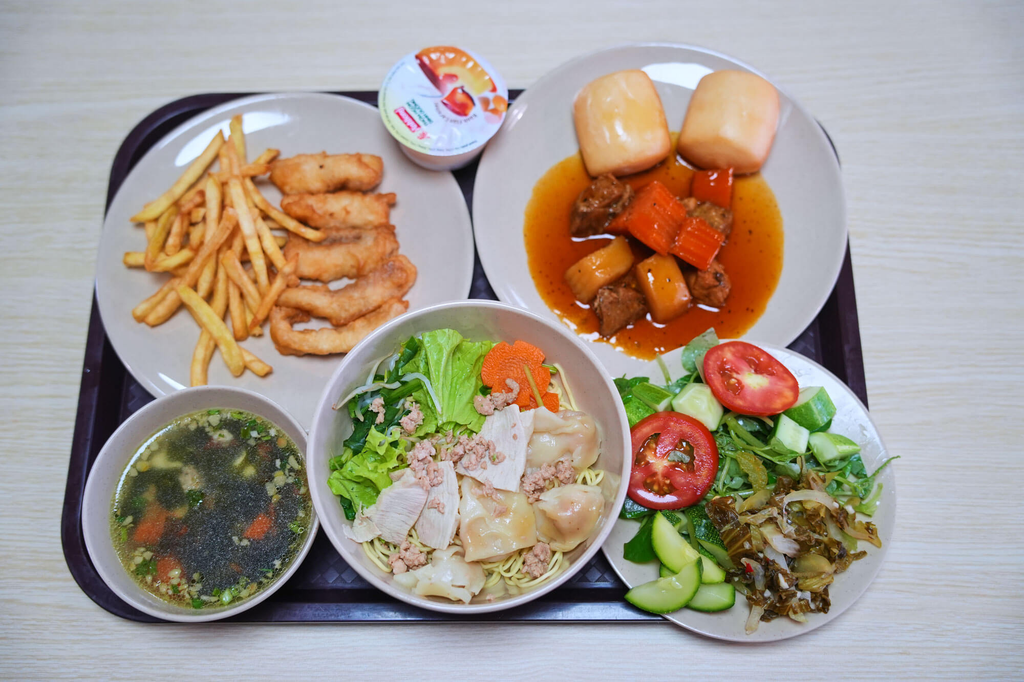
| Monday | Southern-style beef pho/rice vermicelli with grilled pork and spring rolls | Steamed dumplings, Phnom Penh-style noodle soup, buttered bread, fresh drink | Crispy fried prawns with cocktail sauce, chicken thigh with sapo sauce, lemongrass and kumquat-shaken pork belly, Sichuan-style tofu, stir-fried zucchini, sweet-leaf mustard greens soup, salad, fruit |
| Tuesday | Thick rice noodles with prawns and pork / broken rice with pan-seared pork | Sausage hot dog, shredded chicken pasta, buttered bread, Milo cocoa | French-style braised chicken, three-colour rolled eggs, pepper-braised snakehead fish fillet, red tilapia, boiled broccoli and carrots, amaranth and Malabar spinach soup, salad, fruit |
| Wednesday | Chicken and bamboo shoot glass noodles / steamed rice cake with pork and mushroom filling | Rice balls, rice noodles with prawns and pork, buttered bread, herbal tea | Mackerel with lemon butter sauce, Korean-style beef with sesame sauce, boiled pork with ginger fish sauce, garlic stir-fried broccoli, boiled bok choy, pumpkin soup, salad, fruit |
| Thursday | Nha Trang tuna fish noodle soup/ham and cheese burger | Cereal & banana, crab soup, buttered bread, salted lemon drink | Pork ribs with BBQ sauce, Thai-style tamarind fish fillet, ginger-braised chicken, tofu and mushrooms braised in coconut water, garlic stir-fried morning glory, salad, fruit |
| Friday | Prawn and pork macaroni soup / shredded pork floss bread | Hawaiian pizza, crab noodle soup, buttered bread, drinking yoghurt | Seafood spaghetti with pesto cream sauce, Yangzhou fried rice & chicken thigh, mixed-ingredient thick rice noodles, vegetarian wonton noodles, vegetables, seaweed soup, salad, pudding |
Notes for Planning a Day-Boarding Meal Plan
Identify Nutritional Needs and the Number of Meals
Before planning a day-boarding meal plan, schools need to clearly identify students’ age groups, school levels, and activity patterns to determine appropriate portions. Students of different ages have different energy needs, eating capacities, and levels of physical development, so the same portion size should not be applied to all student groups.
Meal planning should also be considered in relation to the meals students have at home. If students have breakfast, lunch, or an afternoon snack at school, portions should be distributed appropriately alongside dinner and other meals at home to help maintain a balanced diet throughout the day.
Vary Dishes, Foods, and Cooking Methods
Variety in a day-to-day meal plan allows students to try different types of food while making each meal more engaging. Schools should therefore develop an ingredient rotation plan rather than repeating a small selection of familiar dishes over an extended period. Sources of protein can be varied between meat, fish, eggs, seafood, and beans and legumes. Combining different vegetables and seasonal fruits can also make the meal plan more varied while providing students with essential vitamins and minerals.
In addition to ingredients, cooking methods are another factor that should be considered. Methods such as steaming, boiling, braising, stewing, or pan-searing are generally suitable for students’ tastes and nutritional needs. Schools should limit the frequent use of dishes that are high in oil, sugar, or salt to help encourage healthier eating habits among students.
Changing cooking methods from day to day can also make familiar ingredients more varied. For example, the same food group can be prepared in different ways to avoid a repetitive dining experience and encourage students to try a wider range of foods.
Ensure Food Safety Throughout the Meal Service Process
Food safety needs to be controlled throughout the entire meal service process at school, starting with ingredient selection. Food should have a clear source, undergo quality checks, and be stored under appropriate conditions. During preparation, cooking, portioning, and food storage, schools and meal providers need to follow hygiene requirements while also controlling the time between food preparation and service.
Careful control at every stage helps reduce the risk of unhygienic or poor-quality food reaching students.
Build a Day-Boarding Meal Plan with The Caterers
With more than 20 years of experience in catering, The Caterers supports schools in developing day-boarding meal plans that meet the nutritional needs and characteristics of different student groups. The meal plans offer variety in dishes and cooking methods, combining familiar dishes with a range of options to create balanced meals and make school meals more appealing to students.
The Caterers serves more than 20,000 meals every day, meeting the needs of high-volume food service through stable operating processes. Alongside meal planning, every stage — from ingredient selection and inspection, preparation, and cooking to portioning and serving — is strictly controlled. Food is maintained at appropriate temperatures throughout service, meals are portioned and handed over according to established procedures, and food samples are retained for testing when necessary. The central kitchen applies ISO 22000:2018 and HACCP food safety standards to help control food quality and safety throughout the entire process.
As a result, every meal served to students is controlled for quality, temperature, and food safety.
Contact The Caterers:
- Hotline: 028 3812 6901
- Email: sales@thecaterers.vn
- Website: www.thecaterers.vn
- Address: 15-15A Do Cong Tuong, Tan Son Nhi, Ho Chi Minh City, Vietnam