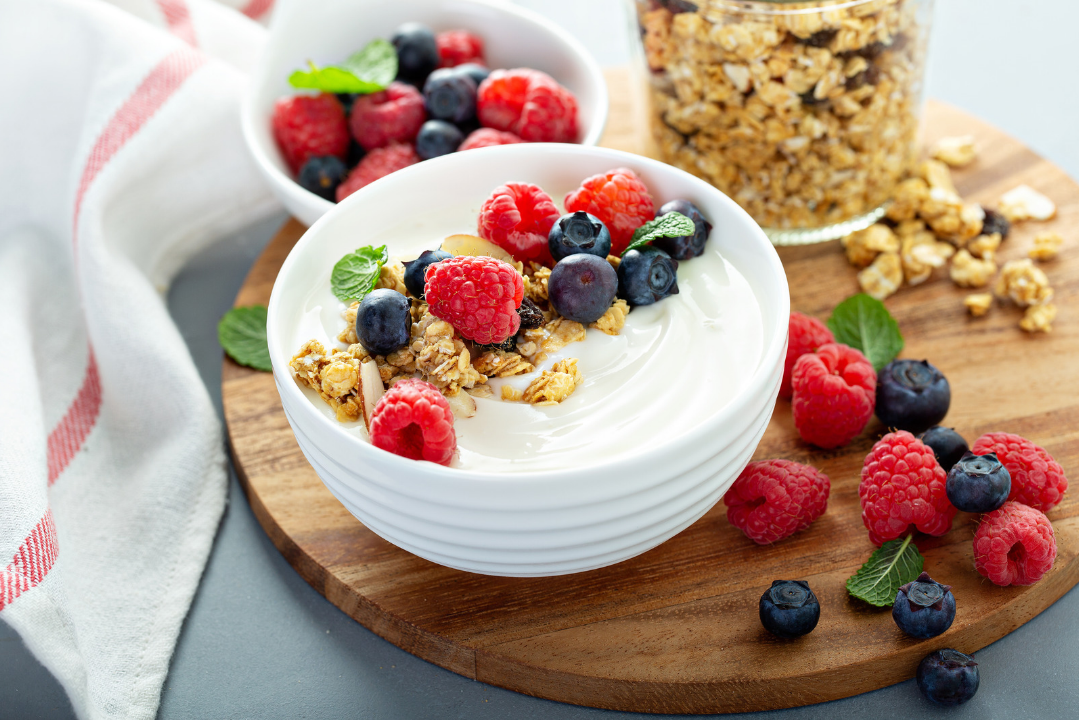
The nutrition pyramid is a visual guide to the recommended amounts and frequency of consumption for different food groups within an overall diet, helping schools easily understand the proportions of nutritional components in students’ meals.
The new school year is not only the time when students return to school, but also an appropriate opportunity to readjust their meal schedules, portion sizes, and daily routines after summer break. Applying the nutrition pyramid to meals from the beginning of the school year gives schools an additional basis for developing menus, balancing portions, and arranging meals that fit students’ class schedules throughout the school year.
What is the Nutrition Pyramid for Students?
Tháp dinh dưỡng là công cụ trực quan giúp nhà trường hình dung các nhóm thực phẩm nên xuất hiện trong chế độ ăn hằng ngày với mức độ khác nhau. Viện Dinh dưỡng có xây dựng các tháp dinh dưỡng phù hợp với từng nhóm tuổi, giúp minh họa nhu cầu và mức độ sử dụng các nhóm thực phẩm theo từng giai đoạn phát triển. Khi đọc tháp, có thể hiểu đơn giản rằng phần đáy là những nhóm thực phẩm nên được ưu tiên thường xuyên hơn, trong khi các nhóm càng lên phía trên càng cần được sử dụng với mức độ phù hợp.
The nutrition pyramid is a visual tool that helps schools understand which food groups should appear in a student’s daily diet and in what proportions. The Institute of Nutrition in Viet Nam has developed nutrition pyramids for different age groups to illustrate the nutritional needs and recommended consumption levels of food groups at each stage of development. The pyramid can be understood simply: the food groups at the bottom should be prioritized more frequently, while those higher up should be consumed in appropriate amounts.
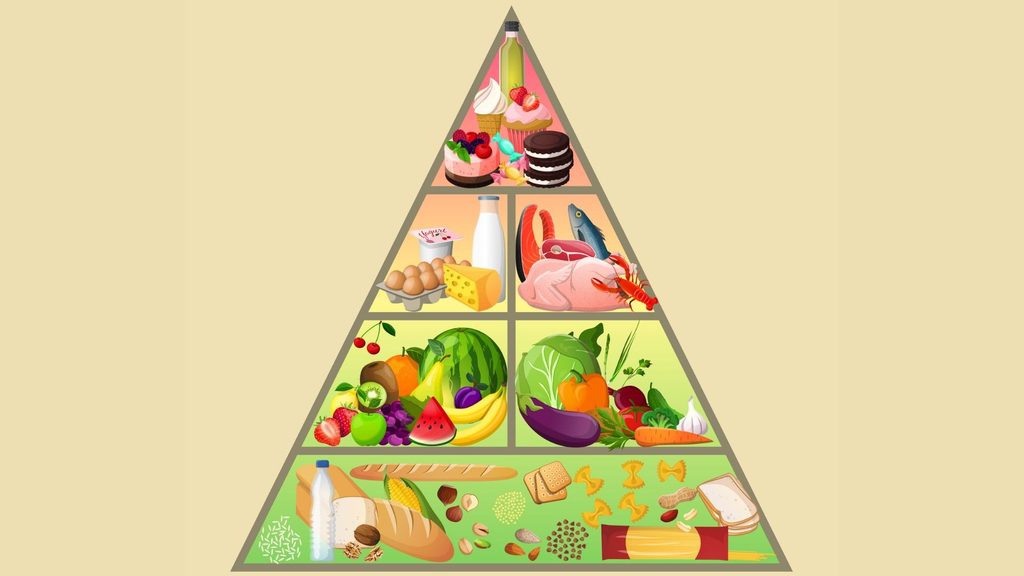
Importantly, the nutrition pyramid reflects the overall diet throughout the day, rather than requiring every meal to include all food groups. Therefore, when developing nutrition standards for school meals, schools should adjust menus and portion sizes based on students’ ages, the number of meals provided at school, their level of physical activity, and their actual eating habits. Menus should also include a variety of foods instead of repeating the same group of dishes over several days.
When planning menus or organizing food-related activities at school, schools can refer to the nutrition pyramid appropriate for their students’ age group to balance food groups and identify foods that should be limited. The goal is not to apply the pyramid rigidly to every meal, but to create a nutritious, varied, and balanced diet throughout the day through appropriate coordination between the school and the family.
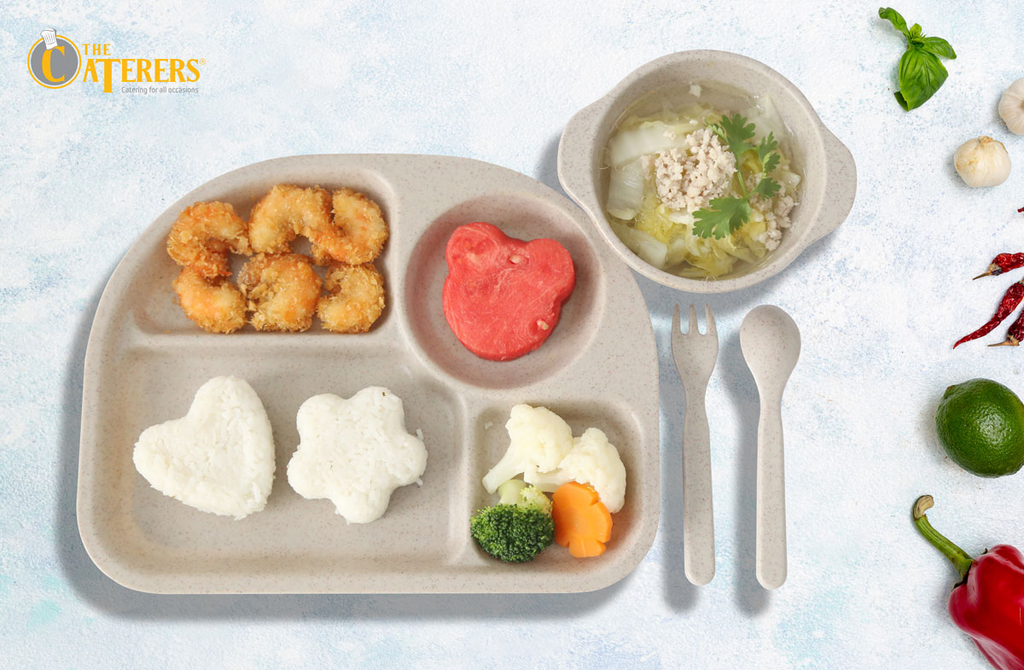
Food Groups in the Nutrition Pyramid
Each food group in the nutrition pyramid plays a specific role in the overall diet. When applying the pyramid to school meals, schools should consider portion sizes, preparation methods, frequency of consumption, and the dietary needs and preferences of different age groups.
The Role of Water in a Healthy Diet
Water plays an important role in maintaining the body’s normal physiological functions, from regulating body temperature to helping transport nutrients and remove waste. For students, drinking enough water also helps the body maintain alertness and concentration during class. Therefore, although water does not provide energy or essential nutrients such as protein, vitamins, and minerals, it is still an important part of a healthy school environment.
- Sources: Plain water is the main source; some water is also provided through milk, soup, vegetables, and fruits.
- Role: Helps maintain fluid balance and supports learning, play, and physical activity throughout the day.
- Note: Students should drink water regularly throughout the day, especially in hot weather or when participating in physical activities.
Schools can provide convenient access to drinking water, remind students to drink water during breaks, and encourage them to bring personal water bottles if permitted by school policies. Teachers should also pay attention to periods when students are particularly active or participating in outdoor activities so they can remind students to rehydrate when needed.
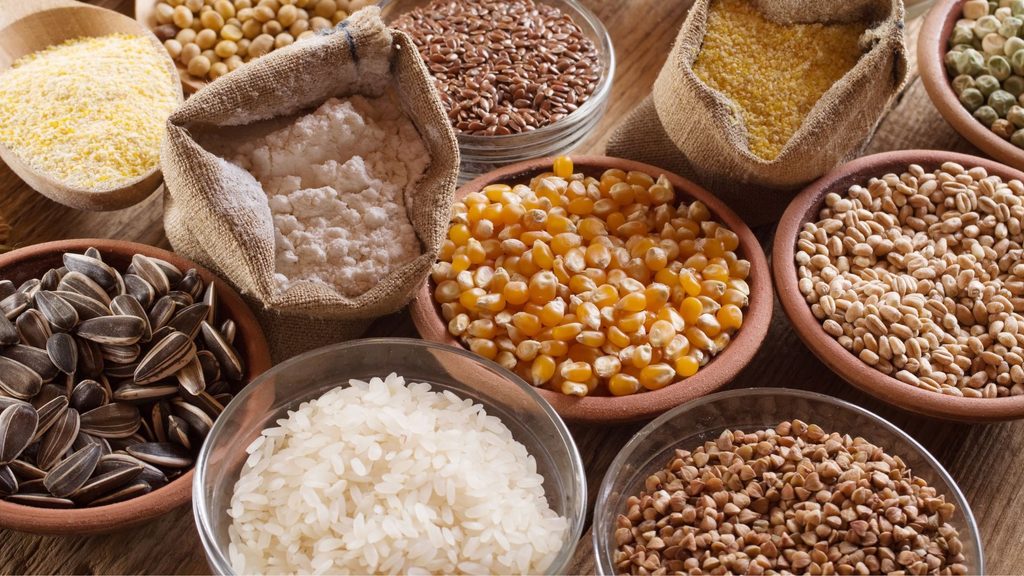
Grains, Tubers, and Starchy Foods
Grains, tubers, and other starchy foods commonly appear in students’ meals and play an important role in providing energy for daily activities. Instead of serving only rice as the main staple, schools can incorporate a variety of starchy foods to make menus more diverse. Changing the dishes also gives students more choices and makes school meals more varied and enjoyable.
- Food sources: Rice, rice noodles, pho, noodles, pasta, bread, potatoes, and other grains.
- Role: Provide a major source of energy for learning, playing, and physical activity.
- Note: Each food has a different amount of starch, water, and energy, so portion sizes should be adjusted according to the specific food being served.
When planning school meals based on age groups, schools should not use the same portion size for rice, rice noodles, bread, or potatoes. Portions should be considered based on the type of food, the student’s age, level of physical activity, and how the food is combined with the other dishes in the meal.
Vegetables and Fruits
Vegetables and fruits make meals more varied in terms of appearance, flavor, and nutritional content. Rotating different seasonal vegetables and fruits also gives students opportunities to try a wider range of foods instead of eating only a few familiar dishes.
- Food sources: Leafy greens, root vegetables, other vegetables, legumes, and seasonal fruits.
- Role: Provide fiber, vitamins, and minerals as part of a balanced diet.
- Note: Schools should rotate different colors and varieties of vegetables and fruits and use different preparation methods. Fruits are best served whole or cut into pieces that are appropriate for the students’ age.
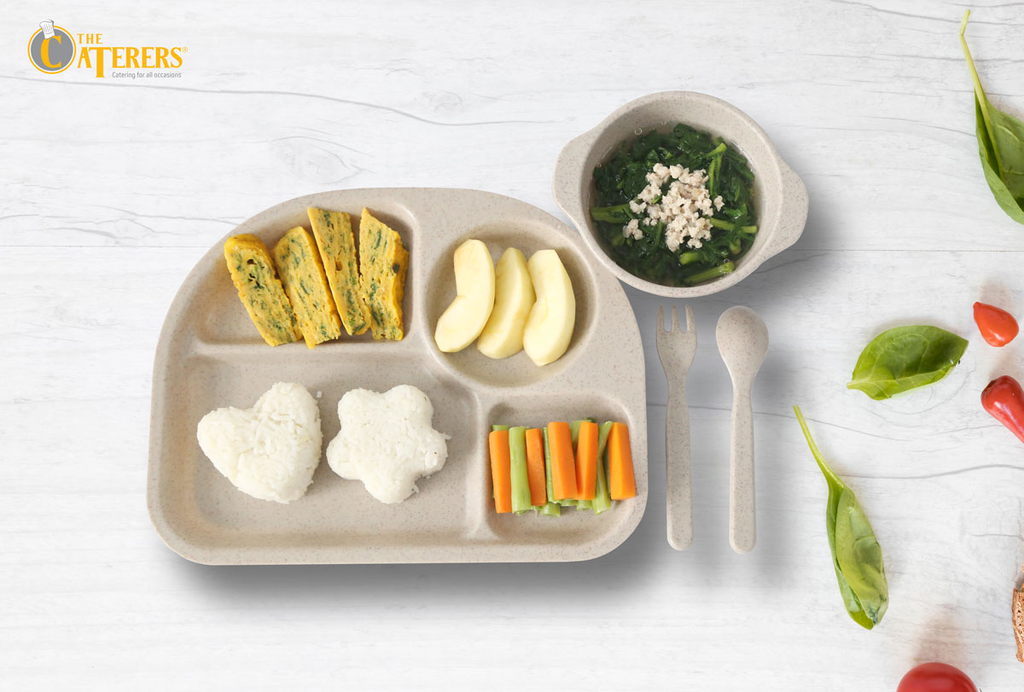
In school meals, vegetables can be steamed, boiled, lightly stir-fried, or cooked in soup to create variety from day to day. If a particular vegetable or fruit is frequently left uneaten after meals, the school can review the preparation method, portion size, or combination with other dishes to make it more appealing and easier for students to accept.
Milk and Dairy Products
Milk and dairy products are commonly included in students’ diets, particularly at breakfast or snack times. Depending on the product, nutritional content can vary, so choices should be appropriate for students’ ages and the overall structure of the daily menu.
- Food sources: Milk, yogurt, cheese, and other suitable dairy products.
- Role: Provide calcium, protein, and certain micronutrients that support the development of healthy bones and teeth.
- Note: Schools should check for milk allergies and students’ ability to tolerate lactose.
When including this food group in school menus, schools should determine appropriate serving times and portion sizes for each age group. For students who require special diets, schools should prepare suitable alternatives so that meals can still be served conveniently and consistently.
Protein-Rich Foods
Protein-rich foods are an important part of students’ diets, supporting growth, development, and the body’s normal functions. Schools can rotate different sources of protein to make menus more varied. Combining animal and plant-based protein sources also gives students more choices at mealtimes.
- Food sources: Meat, fish, eggs, seafood, tofu, and beans.
- Role: Provide the protein needed for students’ growth and development.
- Note: Schools should rotate protein sources and preparation methods. For younger students, special attention should be paid to the softness of foods, fish bones, and potential allergy risks.

In school menus, different protein sources can be rotated across days to avoid repeating the same dishes. Steamed, braised, boiled, sauced, or pan-seared dishes can also be combined flexibly to reduce the frequency of fried foods and better suit different age groups.
Foods That Provide Fat
Fat is an essential component of students’ diets and should not be completely removed from the menu. Instead, schools should pay attention to the sources and amount of fat used, as well as how it is combined with other food groups, to keep meals balanced.
- Food sources: Vegetable oils, avocados, sesame seeds, walnuts, almonds, and other suitable nuts.
- Role: Provide energy and help the body absorb fat-soluble vitamins.
- Note: Prioritize sources of unsaturated fats while being mindful of potential allergies when including nuts in school menus.
When planning school menus, schools should balance the amount of fat across the overall meal and rotate cooking methods such as steaming, boiling, braising, baking, pan-searing, or frying. The amount of oil used should also be specified appropriately in recipes to keep portions consistent across meals.
Sugar, Salt, and Foods to Limit
Sugar and salt are ingredients that should be used in moderation in students’ diets. In addition to the amounts added directly during cooking, sugar and salt can also be found in many beverages, dishes, dipping sauces, and processed foods. Therefore, when planning menus, schools should consider the total amount consumed throughout the day rather than looking only at the seasoning added to individual dishes.
- Food sources: Commonly found in seasonings, dipping sauces, beverages, sweet dishes, and some processed foods such as sausages, baked goods, and candy.
- Role: Add flavor and enhance the overall taste of dishes.
- Note: The total amount of sugar and salt from different sources should be balanced according to students’ ages and portion sizes.
In school meals, schools should develop recipes with appropriate amounts of seasoning for each age group and standardize ingredient quantities during preparation. This approach helps control the amount of sugar and salt in each portion while keeping the flavor consistent when meals are prepared and served for large numbers of students.
Planning Meals for the New School Year Based on the Nutrition Pyramid
As the new school year begins, the nutrition pyramid can be used as a reference for organizing different food groups across meals throughout the day. Schools should maintain balance based on students’ overall daily diet and the number of meals they have at school.
| Meal | Suggested Dishes | Nutritional Priority |
| Breakfast | Pho, rice noodles, porridge, egg sandwiches, steamed rice rolls, cereal with milk, yogurt, and fruit | Prioritize carbohydrates combined with protein to provide energy at the beginning of the day and support students as they start their learning activities. |
| Lunch | Rice; meat, fish, eggs, or tofu; boiled or stir-fried vegetables; vegetable soup; seasonal fruit | Balance carbohydrates, protein, vegetables, and fruit in the main meal served at school. |
| Afternoon or Dinner | Rice, potatoes, rice noodles, or pasta; fish, lean meat, eggs, or tofu; leafy greens and soup | Include food groups that may be lacking during the day based on the meals students have already eaten. |
The dishes above are suggestions and are not fixed portion recommendations for all age groups. For elementary school students, schools can also refer to elementary school meal menus for more ideas on combining different dishes throughout the week.
How to Apply the Nutrition Pyramid to School Menus
To apply the nutrition pyramid to school menus, schools need to balance students’ nutritional needs with practical food service conditions. Menus should be appropriate for students’ ages, the number of meals provided at school, meal times, and the school’s ability to organize meal service.
- Distribute food groups: Organize appropriate amounts of carbohydrates, protein, vegetables, fruits, and dairy products throughout the week to create variety and limit repeated dishes.
- Adjust by age group: Develop appropriate portions for students ages 6-11 and 12-14, while also considering their level of physical activity and the number of meals they have at school.
- Standardize preparation and portioning: Use standardized recipes, preparation methods, and portioning tools to ensure serving sizes are appropriate for each age group.
- Manage allergies and special dietary needs: Clearly identify cases involving food allergies, intolerances, or other dietary requirements so that appropriate meals can be prepared.
- Monitor student acceptance: Track feedback and the amount of leftover food to adjust portion sizes, flavors, or dish combinations as needed.
When nutritional and operational factors are considered together, the nutrition pyramid can be more easily translated into a practical menu that can be consistently implemented in daily school meals.
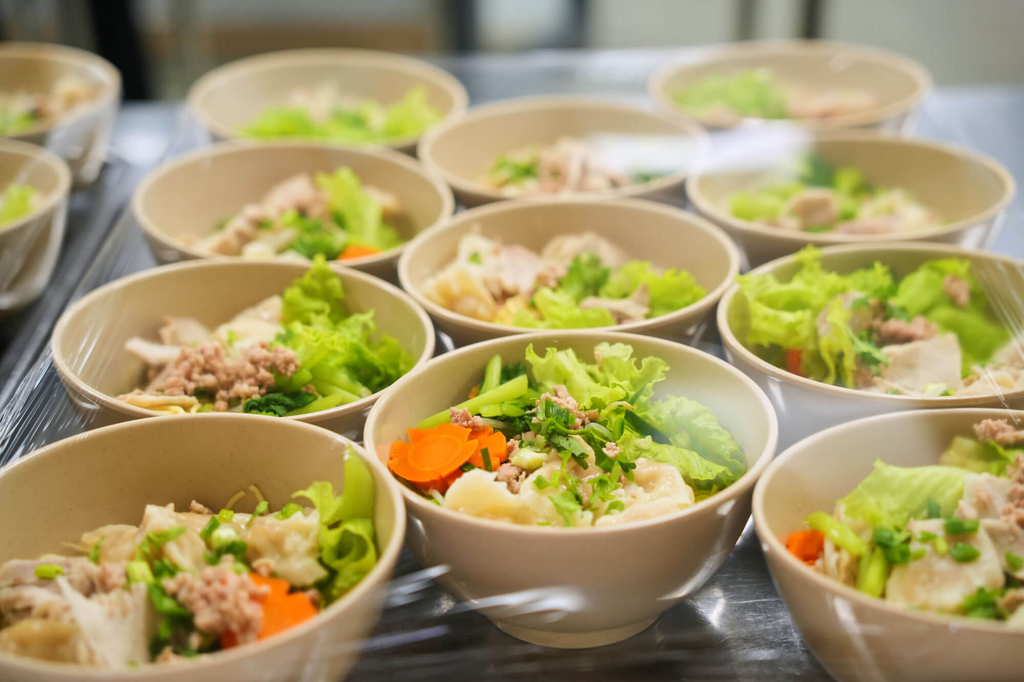
The Caterers - A Nutrition-Focused Meal Solution for Schools
With more than 20 years of experience in school catering, The Caterers currently serves more than 20,000 meals per day across more than 50 international schools. Menus are developed based on students’ specific nutritional standards and requirements, while also considering their age, preferences, energy needs, school schedules, and each school’s practical food service conditions.
Through school canteen service, The Caterers works with schools throughout the menu planning process, including balancing portion sizes, food preparation, meal portioning, and daily meal service. At the beginning of the school year, menus can be adjusted for different grade levels and flexibly combine Vietnamese and international dishes based on each school’s needs. This helps create meals that fit more naturally into students’ school schedules and daily routines throughout the academic year.
Contact The Caterers for advice on a school meal service model that suits your school’s size and operating conditions:
- Hotline: 028 3812 6901
- Email: sales@thecaterers.vn
- Website: www.thecaterers.vn
- Address: 15-15A Do Cong Tuong, Tan Son Nhi, Ho Chi Minh City 70000, Vietnam