When choosing everyday meal ideas, families often look beyond flavour to ingredients that are easy to source, straightforward cooking methods and enough variety to avoid repeating the same dishes. Rotating savoury mains, soups, vegetables and vegetarian options can make daily menus easier to plan and more varied.
With more than 20 years of experience in menu planning and food service operations, The Caterers has developed practical expertise in selecting dishes, balancing food groups and adapting preparation methods for different diners. Drawing on that experience, we have compiled 100 familiar, practical dishes that are easy to prepare at home and can also serve as reference ideas for school meal planning after portions, seasoning and preparation methods are adjusted for each age group.
15 Familiar Breakfast Dishes That Are Easy to Prepare
From bánh mì and congee to familiar noodle dishes, these breakfast ideas focus on accessible ingredients and practical preparation for everyday routines.
1. Fried Egg Bánh Mì
- Main ingredients: Baguette, egg, tomato, cucumber, cooking oil or butter.
- Nutritional value: Provides protein from egg, carbohydrates from bread, plus fibre and vitamins from vegetables.
- Suitable for: Primary, lower-secondary and upper-secondary students, university students and adults who want a straightforward breakfast that is easy to prepare.
- Cooking tip: Preheat the pan before adding the egg and use only enough oil to cook the white evenly without drying it out.
A fried egg bánh mì takes about 5–10 minutes to prepare. The crisp bread, soft egg and fresh vegetables make it a familiar and practical breakfast.
2. Oatmeal Porridge
- Main ingredients: Rolled oats, milk or water, banana or other fruit.
- Nutritional value: Provides carbohydrates and fibre from oats; milk can add protein and calcium.
- Suitable for: Students and adults who want a lighter meal or snack that is simple to prepare and easy to combine with other foods.
- Cooking tip: Cook the oats over low heat and add fruit after the porridge has softened so the fruit keeps more of its natural flavour.
Oatmeal has a soft texture and a short cooking time. Banana, apple or a little milk can be added for variety without making the recipe complicated.
3. Vietnamese Beef Noodle Soup
- Main ingredients: Rice vermicelli, beef, lemongrass, onion, broth and fresh herbs.
- Nutritional value: Provides carbohydrates from noodles, protein and iron from beef, and fibre from accompanying vegetables.
- Suitable for: Lower-secondary and upper-secondary students, university students and adults who want a warm, relatively substantial breakfast; prepare a mild version for younger children.
- Cooking tip: Prepare the broth in advance and serve chilli or satay separately so the spice level can be adjusted for each diner.
This Vietnamese beef noodle soup combines fragrant lemongrass broth, tender beef and soft noodles. At home, the spice level can be reduced so the dish works for more family members.
4. Chicken Phở
- Main ingredients: Rice noodles, chicken, onion, ginger, herbs and seasoning.
- Nutritional value: Provides carbohydrates from rice noodles and protein from chicken.
- Suitable for: Primary, lower-secondary and upper-secondary students and adults who prefer a soft, mild dish that is easy to eat.
- Cooking tip: Lightly char the onion and ginger before adding them to the broth for a more aromatic base.
Chicken phở has a light broth, tender chicken and soft rice noodles. Preparing the broth the night before can make breakfast service much quicker.
5. Shredded Chicken Sticky Rice
- Main ingredients: Glutinous rice, chicken, fried shallots and seasoning.
- Nutritional value: Provides carbohydrates from sticky rice and protein from chicken.
- Suitable for: Lower-secondary and upper-secondary students, university students, people who exercise regularly and adults who want a more filling breakfast.
- Cooking tip: Soak the glutinous rice before steaming so the grains cook evenly and remain soft.
Soft sticky rice and shredded chicken make a familiar breakfast that is easy to portion. Cucumber can be added for a fresher contrast.
6. Minced Pork Congee
- Main ingredients: Rice, minced pork, spring onion and seasoning.
- Nutritional value: Provides carbohydrates from rice and protein from pork; vegetables can be added for extra fibre.
- Suitable for: Primary, lower-secondary and upper-secondary students and adults who prefer a soft, mild dish that is easy to eat.
- Cooking tip: Mix the minced pork with a little water before adding it to the congee so the meat separates rather than forming lumps.
Minced pork congee is mild, soft and made from easy-to-find ingredients. Carrot, pumpkin or mushrooms can be added to vary the dish.
7. Fish Congee
- Main ingredients: Rice, low-bone fish, ginger, spring onion and seasoning.
- Nutritional value: Provides carbohydrates from rice and protein from fish.
- Suitable for: Primary, lower-secondary and upper-secondary students and adults; for younger children, use low-bone fish and check it carefully before serving.
- Cooking tip: Steam or poach the fish first, remove the bones thoroughly, then add the flesh near the end of cooking.
Fish congee is light and gently aromatic from ginger. Adding the fish near the end helps the pieces keep more of their texture.
8. Minced Pork Hủ Tiếu
- Main ingredients: Hủ tiếu noodles, minced pork, bean sprouts, spring onion and greens.
- Nutritional value: Provides carbohydrates from noodles, protein from pork and fibre from vegetables.
- Suitable for: Primary, lower-secondary and upper-secondary students, university students and adults who want a straightforward breakfast that is easy to prepare.
- Cooking tip: Blanch the noodles separately and add the broth only when serving so the noodles do not become overly soft.
Minced pork hủ tiếu has a light broth and can be adjusted easily with whatever vegetables are available. Mustard greens, bean sprouts or carrot all work well.
9. Bánh Cuốn with Vietnamese Pork Sausage
- Main ingredients: Rice rolls, minced pork, wood-ear mushrooms, Vietnamese pork sausage and herbs.
- Nutritional value: Provides carbohydrates from the rice rolls and protein from the filling and pork sausage.
- Suitable for: Primary, lower-secondary and upper-secondary students and adults who prefer a soft breakfast with familiar Vietnamese flavours.
- Cooking tip: If using ready-made bánh cuốn, steam or warm it gently before serving so the rolls stay soft.
Soft rice rolls, savoury filling and sliced pork sausage create a familiar Vietnamese breakfast. The dipping sauce can be made milder for children.
10. Steamed Pork Bun
- Main ingredients: Bao dough, minced pork, wood-ear mushrooms, egg and onion.
- Nutritional value: Provides carbohydrates from the bun and protein from the filling.
- Suitable for: Primary, lower-secondary and upper-secondary students, university students and adults who want a straightforward breakfast that is easy to prepare.
- Cooking tip: Steam only after the water is boiling and avoid opening the lid repeatedly so the buns rise evenly.
A steamed pork bun combines a soft exterior with a savoury filling and is easy to portion. Buns can also be prepared ahead and reheated for breakfast.
11. Egg and Vegetable Fried Rice
- Main ingredients: Cooked rice, egg, carrot, sweetcorn, peas and spring onion.
- Nutritional value: Provides carbohydrates, protein, fibre and vitamins from the mixed vegetables.
- Suitable for: Lower-secondary and upper-secondary students, people who exercise regularly and adults who want a meal combining a clear protein source with carbohydrates or vegetables.
- Cooking tip: Use cold, separate-grain rice and cut the vegetables small so everything cooks quickly and evenly.
Egg and vegetable fried rice is colourful and makes good use of leftover rice. Use just enough oil to keep the grains separate without making the dish heavy.
12. Bánh Mì with Vietnamese Pork Sausage
- Main ingredients: Baguette, Vietnamese pork sausage, cucumber and herbs.
- Nutritional value: Provides carbohydrates from bread, protein from the sausage and fibre from fresh vegetables.
- Suitable for: Primary, lower-secondary and upper-secondary students, university students and adults who want a straightforward breakfast that is easy to prepare.
- Cooking tip: Warm the baguette before filling it so the crust is crisp and fragrant.
This bánh mì needs very little cooking and is convenient to take to school or work. Cucumber and herbs make the filling fresher and less dry.
13. Macaroni Soup with Minced Pork
- Main ingredients: Macaroni, minced pork, carrot, potato and spring onion.
- Nutritional value: Provides carbohydrates from macaroni, protein from pork, plus fibre and vitamins from vegetables.
- Suitable for: Primary, lower-secondary and upper-secondary students, university students and adults who want a straightforward breakfast that is easy to prepare.
- Cooking tip: Cook the macaroni separately until just tender and add it to the broth when serving so it does not become mushy.
Macaroni soup with minced pork is mild, soft and easy to customise with vegetables. With ingredients prepared in advance, it can be assembled quickly in the morning.
14. Vietnamese Pork Meatball Noodle Soup
- Main ingredients: Rice vermicelli, minced pork, wood-ear mushrooms, spring onion and broth.
- Nutritional value: Provides carbohydrates from noodles and protein from pork.
- Suitable for: Primary, lower-secondary and upper-secondary students, university students and adults who want a straightforward breakfast that is easy to prepare.
- Cooking tip: Shape the meatballs into small, even pieces so they cook quickly and are easy to eat.
This noodle soup has a light broth and soft pork meatballs. The meatball mixture can be prepared the night before to shorten cooking time.
15. Egg Noodles with Minced Pork
- Main ingredients: Egg noodles, minced pork, mustard greens, spring onion and seasoning.
- Nutritional value: Provides carbohydrates and protein, with fibre when served with vegetables.
- Suitable for: Lower-secondary and upper-secondary students, university students and adults who want a warm breakfast that is quick to prepare.
- Cooking tip: Do not simmer the noodles for too long in the broth; cook them only until they retain a slight bite.
Egg noodles with minced pork are easy to prepare and simple to adapt with available greens. Keep the broth moderately seasoned so the flavours remain balanced.
10 Lighter Dishes That Are Easy to Combine in a Menu
These options offer a change of pace from richer everyday dishes and are easy to combine with grains, vegetables or fruit depending on the meal.
16. Chicken Breast Salad
- Main ingredients: Chicken breast, lettuce, tomato, cucumber and optional seeds or nuts.
- Nutritional value: Provides protein from chicken and fibre, vitamins and minerals from vegetables.
- Suitable for: Lower-secondary and upper-secondary students and adults who want a lighter meal built around lean protein and fresh vegetables.
- Cooking tip: Cook the chicken until just done, let it rest, then slice it so the meat stays moist.
Chicken breast salad combines fresh vegetables with a simple protein source. The dressing can be kept light so the vegetables and chicken remain the main flavours.
17. Pan-Seared Salmon
- Main ingredients: Salmon, a small amount of oil, pepper, lemon and vegetables.
- Nutritional value: Provides protein and unsaturated fats from salmon, with fibre and vitamins from accompanying vegetables.
- Suitable for: Lower-secondary and upper-secondary students, adults and people who exercise regularly who want a fish-based main meal.
- Cooking tip: Pat the salmon dry and sear the presentation side first in a hot pan to develop an even surface.
Pan-seared salmon cooks quickly and pairs easily with steamed vegetables or rice. Keep the seasoning simple so the flavour of the fish remains clear.
18. Vegetable Soup
- Main ingredients: Carrot, potato, cauliflower, onion and stock.
- Nutritional value: Provides carbohydrates from root vegetables plus fibre, vitamins and minerals from mixed vegetables.
- Suitable for: Students and adults who want a lighter meal or snack that is simple to prepare and easy to combine with other foods.
- Cooking tip: Cut the vegetables to similar sizes and add firmer vegetables first so everything finishes cooking at roughly the same time.
Vegetable soup is mild and easy to prepare in a larger batch. The vegetables can be changed according to the season or what is available at home.
19. Green Smoothie
- Main ingredients: Spinach, banana, pineapple or apple, plus milk, yoghurt or water.
- Nutritional value: Provides carbohydrates and fibre from fruit and vegetables; dairy can add protein and calcium.
- Suitable for: Students and adults who want a quick drink to accompany breakfast or a light snack.
- Cooking tip: Blend the leafy greens with liquid first, then add fruit so the mixture becomes smoother.
A green smoothie is quick to prepare and flexible in flavour. Choose ripe fruit to add natural sweetness rather than relying on extra sugar.
20. Brown Rice with Grilled Chicken
- Main ingredients: Brown rice, chicken, seasonal vegetables and simple seasoning.
- Nutritional value: Provides carbohydrates and fibre from brown rice, protein from chicken and additional fibre from vegetables.
- Suitable for: Lower-secondary and upper-secondary students, people who exercise regularly and adults who want a meal combining a clear protein source with carbohydrates or vegetables.
- Cooking tip: Marinate the chicken briefly and grill over moderate heat so it cooks through without becoming dry.
Brown rice with grilled chicken is straightforward to portion and easy to pair with seasonal vegetables. It works well when a meal needs a clear combination of grain, protein and vegetables.
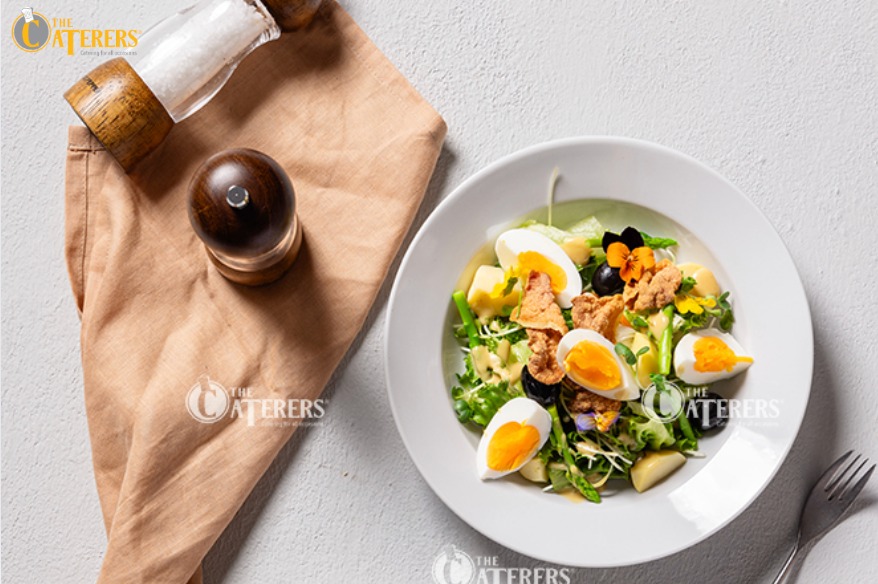
21. Egg and Vegetable Salad
- Main ingredients: Egg, lettuce, tomato, cucumber, carrot and a light dressing.
- Nutritional value: Provides protein and fat from egg, plus fibre and vitamins from vegetables.
- Suitable for: Primary, lower-secondary and upper-secondary students and adults who want a simple meal or side dish with both egg and vegetables.
- Cooking tip: Cool the boiled eggs before slicing so they keep a clean shape and do not crumble into the salad.
Egg and vegetable salad uses familiar ingredients and requires very little cooking. It can be served on its own as a light meal or alongside bread or rice.
22. Steamed Sweet Potato with Boiled Egg
- Main ingredients: Sweet potato, egg and optional fresh fruit or vegetables.
- Nutritional value: Provides carbohydrates and fibre from sweet potato, plus protein and fat from egg.
- Suitable for: Students, adults and people who exercise regularly who want a simple breakfast or snack with both carbohydrate and protein.
- Cooking tip: Steam sweet potatoes of similar size and boil the eggs separately so each ingredient reaches the right texture.
Sweet potato and boiled egg make a simple combination with very little seasoning. The ingredients can be prepared in advance and portioned when needed.
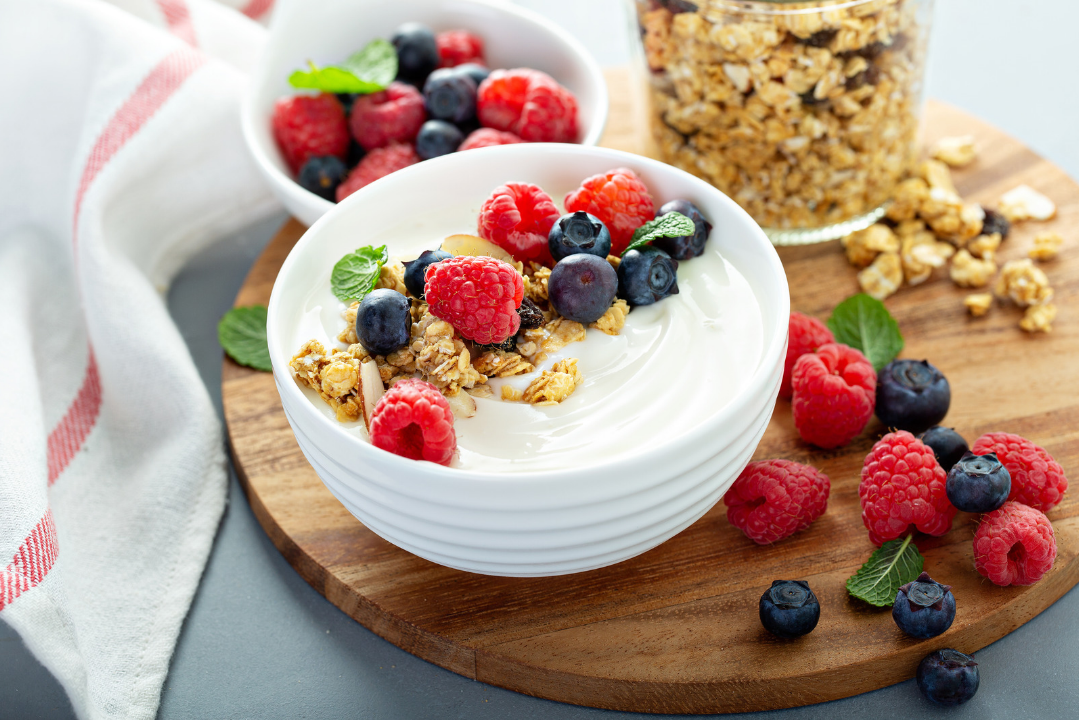
23. Yoghurt with Fruit and Oats
- Main ingredients: Plain yoghurt, rolled oats and seasonal fruit.
- Nutritional value: Provides protein and calcium from yoghurt, carbohydrates and fibre from oats, plus fibre and vitamins from fruit.
- Suitable for: Students and adults who want a quick breakfast or snack that requires no cooking.
- Cooking tip: Add the oats shortly before serving if you prefer more texture, or soak them longer for a softer consistency.
Yoghurt with fruit and oats takes only a few minutes to assemble. Seasonal fruit keeps the combination varied throughout the year.
24. Steamed Fish with Ginger
- Main ingredients: White fish, ginger, spring onion and light seasoning.
- Nutritional value: Provides protein from fish with minimal added fat from the cooking method.
- Suitable for: Primary, lower-secondary and upper-secondary students and adults; use low-bone fillets and mild seasoning for younger children.
- Cooking tip: Steam the fish only until just cooked and add ginger and spring onion toward the end for a fresher aroma.
Steamed fish with ginger has a light flavour and soft texture. It pairs naturally with rice and cooked vegetables for a simple meal.
25. Pan-Seared Chicken Breast with Vegetables
- Main ingredients: Chicken breast, broccoli, carrot, capsicum and a small amount of oil.
- Nutritional value: Provides protein from chicken and fibre, vitamins and minerals from vegetables.
- Suitable for: Lower-secondary and upper-secondary students, people who exercise regularly and adults who want a meal combining a clear protein source with carbohydrates or vegetables.
- Cooking tip: Flatten thicker parts of the chicken slightly so the breast cooks evenly and does not dry out.
Pan-seared chicken breast with vegetables is easy to prepare as a complete plate. Rotate the vegetables according to season to keep the meal varied.
35 Familiar Savoury Dishes for Everyday Rice Meals
These mains cover familiar pork, chicken, fish, seafood, beef, egg and tofu dishes so weekly family menus can rotate both ingredients and cooking methods.
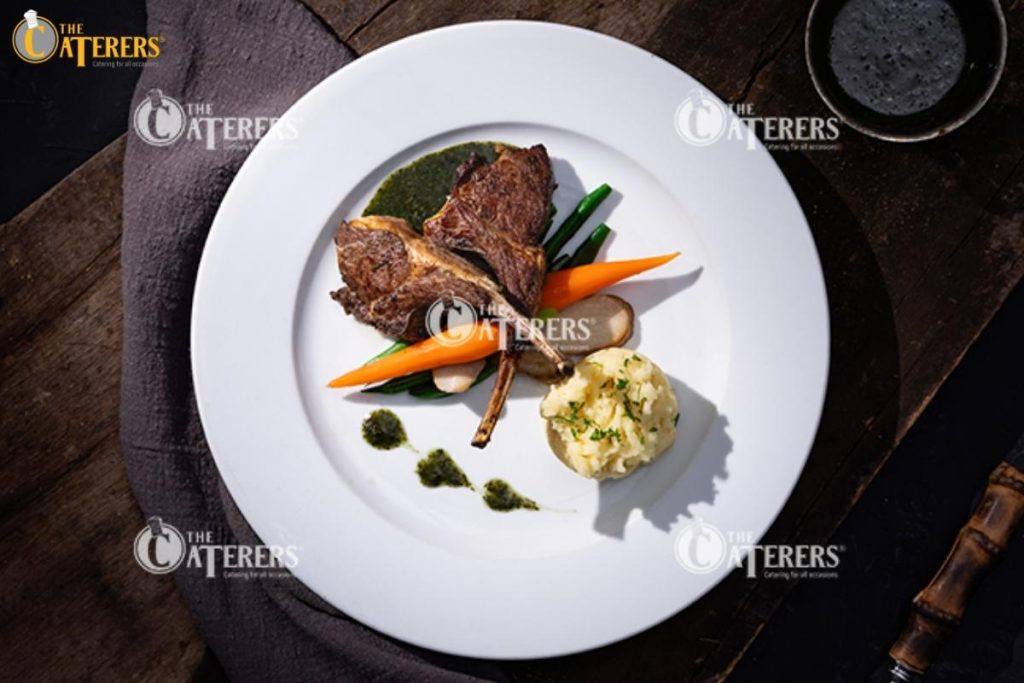
26. Vietnamese Caramelised Fish in a Clay Pot
- Main ingredients: Fish, fish sauce, shallot, pepper, sugar and braising seasoning.
- Nutritional value: Provides protein and fat from fish.
- Suitable for: Lower-secondary and upper-secondary students and adults; for primary-school children, use low-bone fish or fillets and reduce pepper.
- Cooking tip: Marinate the fish for 15–20 minutes and avoid stirring repeatedly while braising so the pieces stay intact.
This Vietnamese braised fish is soft and savoury with a slightly sweet sauce. It pairs especially well with rice, boiled vegetables and a light soup.
27. Braised Pork and Eggs
- Main ingredients: Pork, eggs, fish sauce, shallot and seasoning.
- Nutritional value: Provides protein from pork and eggs, together with fat from the meat.
- Suitable for: Primary, lower-secondary and upper-secondary students and adults as part of an everyday family meal; seasoning can be reduced for younger children.
- Cooking tip: Boil the eggs first and add them after the pork has started to soften so they keep their shape.
Braised pork and eggs is a familiar Vietnamese family dish with a gently sweet and savoury sauce. It is also convenient to cook in a larger pot for several portions.
28. Chicken with Ginger
- Main ingredients: Chicken, ginger, shallot, fish sauce and seasoning.
- Nutritional value: Provides protein from chicken.
- Suitable for: Primary, lower-secondary and upper-secondary students and adults as part of an everyday family meal; seasoning can be reduced for younger children.
- Cooking tip: Brown the chicken until the surface firms up, then add a small amount of water and simmer until tender.
Chicken with ginger has a warm aroma and a balanced savoury flavour. Reduce the ginger and pepper slightly when cooking for younger children.
29. Sweet and Savoury Braised Prawns
- Main ingredients: Prawns, fish sauce, sugar, shallot and garlic.
- Nutritional value: Provides protein from prawns.
- Suitable for: Lower-secondary and upper-secondary students and adults who do not have a seafood allergy; bones or shells should be checked carefully for younger children.
- Cooking tip: Cook the prawns quickly over medium heat so they remain firm rather than becoming dry.
The prawns are coated in a lightly sweet and savoury sauce that works well with rice. Keep the sauce moderate so the dish does not overpower vegetables and soup served alongside.
30. Pork Ribs Braised in Fish Sauce
- Main ingredients: Pork ribs, fish sauce, sugar, shallot and garlic.
- Nutritional value: Provides protein and fat from pork.
- Suitable for: Lower-secondary and upper-secondary students and adults; for younger children, choose tender pieces with meat that separates easily from the bone.
- Cooking tip: Blanch the ribs first, then braise over low heat with a little water until tender before reducing the sauce.
Braised ribs develop a glossy sweet-savoury coating and a tender centre. Low, steady heat helps the seasoning penetrate the meat.
31. Crispy Fried Basa
- Main ingredients: Basa fillet, seasoning, optional light flour coating and cooking oil.
- Nutritional value: Provides protein and fat from fish.
- Suitable for: Lower-secondary and upper-secondary students and adults; use boneless fillets for younger children.
- Cooking tip: Pat the fish dry before frying so the surface browns more evenly and absorbs less oil.
Crispy basa has a golden exterior and soft white flesh. Serve it with vegetables or a light soup to balance the fried preparation.
32. Beef Stir-Fried with Onion
- Main ingredients: Beef, onion, spring onion and seasoning.
- Nutritional value: Provides protein and iron from beef, plus fibre from onion.
- Suitable for: Lower-secondary and upper-secondary students, people who exercise regularly and adults.
- Cooking tip: Stir-fry the beef quickly over high heat, then add the onion near the end so the meat remains tender and the onion keeps some crunch.
Beef and onion is a quick everyday stir-fry with a clear savoury flavour. It can be prepared in around 10–15 minutes once the ingredients are sliced.
33. Lemongrass-Grilled Pork Belly
- Main ingredients: Pork belly, lemongrass, shallot, fish sauce and seasoning.
- Nutritional value: Provides protein and fat from pork.
- Suitable for: Lower-secondary and upper-secondary students and adults; choose a leaner cut or smaller portion for younger children.
- Cooking tip: Slice the pork to an even thickness and grill over medium heat so the fat renders without burning the lemongrass.
Lemongrass gives grilled pork a distinctive aroma and works well with rice, noodles or fresh vegetables. The seasoning can be kept mild for family meals.
34. Honey-Grilled Chicken
- Main ingredients: Chicken, honey, garlic, soy or fish sauce and seasoning.
- Nutritional value: Provides protein from chicken and carbohydrates from the honey-based glaze.
- Suitable for: Primary, lower-secondary and upper-secondary students and adults when the glaze is kept moderately sweet and salty.
- Cooking tip: Brush on part of the honey glaze near the end of cooking so it caramelises without burning.
Honey-grilled chicken has a glossy surface and a mild sweet-savoury flavour. It works well for a weekend family meal without requiring a complicated sauce.
35. Squid Stir-Fried with Satay
- Main ingredients: Squid, satay or chilli paste, garlic, onion and seasoning.
- Nutritional value: Provides protein from squid.
- Suitable for: Lower-secondary and upper-secondary students and adults who are comfortable with the dish’s stronger flavour or texture.
- Cooking tip: Stir-fry the squid over high heat for a short time and add the satay near the end so the squid stays tender.
Squid with satay has a pronounced spicy aroma and is best suited to diners who are comfortable with chilli. Serve it with rice and vegetables to balance the stronger flavour.
36. Mackerel in Tomato Sauce
- Main ingredients: Mackerel, tomato, shallot and seasoning.
- Nutritional value: Provides protein and fat from fish, plus fibre and vitamins from tomato.
- Suitable for: Primary, lower-secondary and upper-secondary students and adults; check carefully for bones before serving to children.
- Cooking tip: Lightly sear the fish before simmering it in tomato sauce so the pieces remain firm.
Firm mackerel and a lightly sweet-and-sour tomato sauce make a familiar rice dish. It is a practical alternative to braised fish.
37. Vietnamese Beef Stew
- Main ingredients: Beef, carrot, potato, lemongrass and beef-stew spices.
- Nutritional value: Provides protein and iron from beef, carbohydrates from potato and fibre from vegetables.
- Suitable for: Lower-secondary and upper-secondary students, people who exercise regularly and adults who want a meal combining a clear protein source with carbohydrates or vegetables.
- Cooking tip: Simmer the beef until nearly tender before adding the vegetables so the meat softens without the carrots and potatoes breaking down.
Vietnamese beef stew has tender meat and an aromatic broth. It can be served with rice, noodles or bread depending on the meal.
38. Chicken Braised with Pepper
- Main ingredients: Chicken, black pepper, shallot, fish sauce and seasoning.
- Nutritional value: Provides protein from chicken.
- Suitable for: Lower-secondary and upper-secondary students and adults; reduce pepper for primary-school children.
- Cooking tip: Add most of the pepper toward the end so the aroma remains clear without making the dish overly hot.
Chicken braised with pepper has a savoury sauce and a warm pepper aroma. The dish works especially well with plain rice and boiled vegetables.
39. BBQ Pork Ribs
- Main ingredients: Pork ribs, barbecue sauce, garlic and seasoning.
- Nutritional value: Provides protein and fat from pork.
- Suitable for: Lower-secondary and upper-secondary students and adults; serve a smaller portion and remove meat from the bone for younger children.
- Cooking tip: Cook the ribs until tender before applying the final glaze so the sauce caramelises without drying the meat.
BBQ ribs have a smoky, sweet-savoury glaze and suit an occasional family meal. Pair them with vegetables or salad to add freshness.
40. Fried Fish with Tamarind Sauce
- Main ingredients: Fish, tamarind, fish sauce, sugar, garlic and cooking oil.
- Nutritional value: Provides protein from fish, with carbohydrates from the sweet-and-sour sauce.
- Suitable for: Lower-secondary and upper-secondary students and adults; use low-bone fish for younger children.
- Cooking tip: Prepare the tamarind sauce separately and spoon it over the fish just before serving so the surface stays crisp.
The crisp fish and tangy tamarind sauce create a clear contrast in texture and flavour. Fresh vegetables work well alongside the dish.
41. Crisp-Edged Pork Belly
- Main ingredients: Pork belly, shallot, fish sauce, sugar and pepper.
- Nutritional value: Provides protein and fat from pork.
- Suitable for: Lower-secondary and upper-secondary students and adults; choose a leaner portion for younger children.
- Cooking tip: Cook over medium heat first so some fat renders and the edges brown before adding the final seasoning.
Crisp-edged pork belly is a very familiar Vietnamese rice dish with browned edges and a soft centre. The sweet-savoury seasoning should be kept moderate.
42. Pork Braised with Pepper
- Main ingredients: Pork, pepper, shallot, fish sauce and seasoning.
- Nutritional value: Provides protein and fat from pork.
- Suitable for: Lower-secondary and upper-secondary students and adults; reduce pepper when serving primary-school children.
- Cooking tip: Brown the pork first, then braise over low heat so the meat softens and absorbs the sauce.
Pork braised with pepper has a straightforward savoury flavour and is easy to combine with rice, vegetables and soup.
43. Boiled Pork
- Main ingredients: Pork, shallot or ginger and water.
- Nutritional value: Provides protein and fat from pork.
- Suitable for: Primary, lower-secondary and upper-secondary students and adults as part of an everyday family meal; seasoning can be reduced for younger children.
- Cooking tip: Simmer gently rather than boiling aggressively, then let the meat rest for a few minutes before slicing.
Boiled pork is one of the simplest Vietnamese family dishes and needs very little seasoning. It can be paired with cooked vegetables, herbs or a light dipping sauce.
44. Steamed Minced Pork and Egg
- Main ingredients: Minced pork, egg, spring onion and seasoning.
- Nutritional value: Provides protein from both pork and egg.
- Suitable for: Primary, lower-secondary and upper-secondary students and adults who prefer a soft, mild dish that is easy to eat.
- Cooking tip: Steam over medium heat so the egg-and-pork mixture cooks evenly without becoming dry.
This steamed pork-and-egg dish is soft and uses less added oil than a fried preparation. Finely diced carrot or wood-ear mushrooms can be added for variation.
45. Sweet and Sour Pork Ribs
- Main ingredients: Pork ribs, tomato, onion, capsicum and sweet-and-sour seasoning.
- Nutritional value: Provides protein from pork plus fibre and vitamins from vegetables.
- Suitable for: Lower-secondary and upper-secondary students and adults who want a different flavour from everyday braised dishes.
- Cooking tip: Cook the ribs until tender before adding the vegetables so the vegetables keep their colour and texture.
Sweet-and-sour ribs combine tender pork with a bright sauce and colourful vegetables. The balanced acidity helps cut through the richness of the meat.
46. Chicken Braised with Lemongrass
- Main ingredients: Chicken, lemongrass, shallot and seasoning.
- Nutritional value: Provides protein from chicken.
- Suitable for: Lower-secondary and upper-secondary students and adults; omit or reduce chilli for primary-school children.
- Cooking tip: Bruise or finely chop the lemongrass so it releases aroma without leaving large fibrous pieces in the dish.
Chicken braised with lemongrass is aromatic and easy to prepare with basic ingredients. It offers a clear change from ginger or pepper-based chicken dishes.
47. Chicken Braised in Fish Sauce
- Main ingredients: Chicken, fish sauce, sugar, garlic and shallot.
- Nutritional value: Provides protein from chicken.
- Suitable for: Primary, lower-secondary and upper-secondary students and adults as part of an everyday family meal; seasoning can be reduced for younger children.
- Cooking tip: Simmer gently until the sauce coats the chicken, keeping the seasoning moderate so the dish does not become too salty.
Chicken braised in fish sauce has a light sweet-savoury glaze and garlic aroma. It pairs naturally with rice, vegetables and a simple soup.
48. Steamed Chicken with Spring Onion
- Main ingredients: Chicken, spring onion, ginger and light seasoning.
- Nutritional value: Provides protein from chicken.
- Suitable for: Primary, lower-secondary and upper-secondary students and adults as part of an everyday family meal; seasoning can be reduced for younger children.
- Cooking tip: Steam only until the chicken is cooked through so the meat stays moist; add spring onion near the end for fresher aroma.
Steaming keeps the chicken flavour clear without requiring much oil or sauce. Ginger and spring onion provide gentle fragrance.
49. Mackerel Braised with Tomato
- Main ingredients: Mackerel, tomato, shallot, fish sauce and seasoning.
- Nutritional value: Provides protein and fat from fish, plus fibre and vitamins from tomato.
- Suitable for: Lower-secondary and upper-secondary students and adults who do not have a seafood allergy; bones or shells should be checked carefully for younger children.
- Cooking tip: Lightly sear the fish before braising so the pieces are less likely to break apart.
Mackerel and tomato create a lightly tangy braise that is well suited to rice. Check carefully for bones before serving to children.
50. Basa Braised with Pepper
- Main ingredients: Basa, pepper, fish sauce, shallot and seasoning.
- Nutritional value: Provides protein and fat from fish.
- Suitable for: Lower-secondary and upper-secondary students and adults; reduce pepper for primary-school children.
- Cooking tip: Braise over low heat and avoid frequent stirring because basa flesh can break easily.
Basa absorbs braising sauce readily and has a soft texture. A modest amount of pepper is enough to add aroma without overpowering the fish.
51. Mackerel Braised with Pineapple
- Main ingredients: Mackerel, pineapple, shallot, fish sauce and seasoning.
- Nutritional value: Provides protein and fat from fish, plus fibre and vitamins from pineapple.
- Suitable for: Lower-secondary and upper-secondary students and adults who enjoy a lightly sweet-and-sour fish dish.
- Cooking tip: Add the pineapple after the fish has braised for a short time so the fruit keeps more of its shape.
Pineapple adds gentle acidity and sweetness to the braising liquid. Firm mackerel holds its shape well in this preparation.
52. Crispy Fried Tilapia
- Main ingredients: Tilapia, seasoning and cooking oil.
- Nutritional value: Provides protein from fish.
- Suitable for: Lower-secondary and upper-secondary students and adults who do not have a seafood allergy; bones or shells should be checked carefully for younger children.
- Cooking tip: Pat the fish dry thoroughly before frying to reduce splattering and help the skin become crisp.
Fried tilapia has a crisp exterior and soft flesh with minimal seasoning. It is easy to pair with rice, cooked vegetables and soup.
53. Fried Fish with Fish Sauce
- Main ingredients: Fish, fish sauce, garlic, sugar and cooking oil.
- Nutritional value: Provides protein and fat from fish.
- Suitable for: Lower-secondary and upper-secondary students and adults; use a low-bone fillet for younger children.
- Cooking tip: Fry the fish until golden, then coat it briefly in the sauce at the end so it does not lose all of its crispness.
This dish combines a crisp surface with a savoury garlic fish-sauce glaze. A light vegetable dish or soup helps balance the stronger seasoning.
54. Prawns with Pork Belly
- Main ingredients: Prawns, pork belly, shallot and fish sauce.
- Nutritional value: Provides protein from both prawns and pork, plus fat from pork belly.
- Suitable for: Lower-secondary and upper-secondary students and adults who do not have a seafood allergy; bones or shells should be checked carefully for younger children.
- Cooking tip: Cook the pork first so some fat renders, then add the prawns later to avoid overcooking them.
Prawns and pork belly are cooked until lightly caramelised and savoury. The combination is very familiar in Vietnamese family meals.
55. Prawns in Tomato Sauce
- Main ingredients: Prawns, tomato, shallot and seasoning.
- Nutritional value: Provides protein from prawns plus fibre and vitamins from tomato.
- Suitable for: Primary, lower-secondary and upper-secondary students and adults who do not have a seafood allergy.
- Cooking tip: Cook the prawns briefly, remove them, then return them to the tomato sauce at the end so they remain tender.
A lightly sweet-and-sour tomato sauce gives the prawns colour and a mild flavour. The dish cooks quickly and works well for an everyday meal.
56. Spring Onion Omelette
- Main ingredients: Eggs, spring onion and seasoning.
- Nutritional value: Provides protein and fat from eggs.
- Suitable for: Primary, lower-secondary and upper-secondary students and adults, especially when a simple savoury dish is needed.
- Cooking tip: Cook over medium heat and stop once the egg is just set so the omelette remains soft.
A spring onion omelette takes only a few minutes and uses ingredients that are commonly available. It can also be expanded with mushrooms or minced pork.
57. Eggs in Tomato Sauce
- Main ingredients: Eggs, tomato, spring onion and seasoning.
- Nutritional value: Provides protein from eggs, plus fibre and vitamins from tomato.
- Suitable for: Primary, lower-secondary and upper-secondary students and adults who prefer a soft, mild dish that is easy to eat.
- Cooking tip: Cook the tomato until it becomes saucy before adding the egg so the final dish has a soft, cohesive texture.
Eggs in tomato sauce are quick, mild and easy to serve with rice. The dish is useful when only a few basic ingredients are available.
58. Tofu Stuffed with Pork in Tomato Sauce
- Main ingredients: Tofu, minced pork, tomato and spring onion.
- Nutritional value: Provides protein from tofu and pork, plus fibre and vitamins from tomato.
- Suitable for: Primary, lower-secondary and upper-secondary students and adults as part of an everyday family meal; seasoning can be reduced for younger children.
- Cooking tip: Lightly pan-sear the stuffed tofu before simmering it in sauce so the pieces hold together better.
Soft tofu, savoury pork filling and tomato sauce create a familiar rice dish. It also adds variety when the weekly menu has already included several meat or fish dishes.
59. Minced Pork with Green Beans
- Main ingredients: Minced pork, green beans, garlic and seasoning.
- Nutritional value: Provides protein from pork together with fibre and vitamins from green beans.
- Suitable for: Primary, lower-secondary and upper-secondary students and adults as part of an everyday family meal; seasoning can be reduced for younger children.
- Cooking tip: Cut the beans into small pieces and cook the pork until crumbly before adding the beans so both cook evenly.
This dish combines meat and vegetables in one quick stir-fry. The crisp beans give a useful texture contrast to the minced pork.
60. Pork Braised in Fish Sauce
- Main ingredients: Pork, fish sauce, sugar, shallot and garlic.
- Nutritional value: Provides protein from pork.
- Suitable for: Lower-secondary and upper-secondary students and adults as part of a meal that also includes vegetables and soup.
- Cooking tip: Reduce the sauce over low heat until it lightly coats the pork, taking care not to let the sugar burn.
Pork braised in fish sauce is simple, savoury and well suited to rice. Keep the seasoning moderate because the dish is naturally quite pronounced in flavour.
15 Familiar Soups for Vietnamese Family Meals
A light soup can balance rice meals built around braised, fried or stir-fried dishes. These options rotate leafy vegetables, root vegetables, fish, meat and seafood.
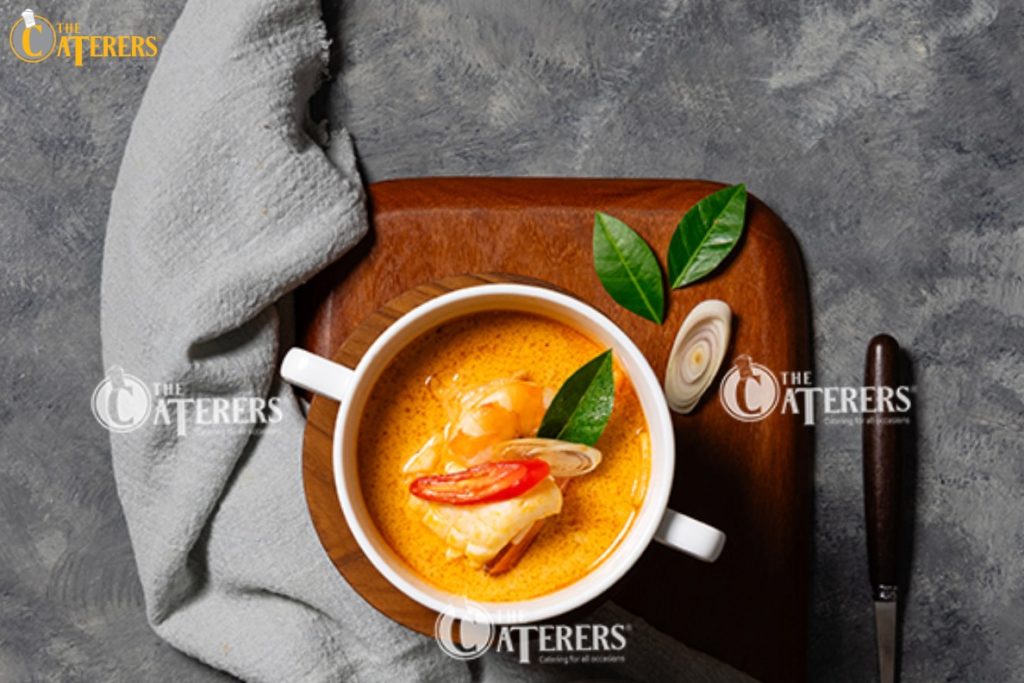
61. Vietnamese Sour Snakehead Fish Soup
- Main ingredients: Snakehead fish, tomato, pineapple, tamarind, elephant-ear stem and herbs.
- Nutritional value: Provides protein from fish plus fibre and vitamins from vegetables.
- Suitable for: Lower-secondary and upper-secondary students and adults; for younger children, check for bones carefully and reduce chilli and acidity.
- Cooking tip: Balance the sourness first, then adjust saltiness and sweetness so the broth remains clear and harmonious.
This southern Vietnamese soup combines tamarind, fish and several vegetables for a distinctive sweet-and-sour broth. It pairs especially well with braised or fried mains.
62. Mustard Greens Soup with Minced Pork
- Main ingredients: Mustard greens, minced pork, spring onion and seasoning.
- Nutritional value: Provides protein from pork together with fibre, vitamins and minerals from greens.
- Suitable for: Lower-secondary and upper-secondary students and adults who are comfortable with the slightly bitter flavour of mustard greens.
- Cooking tip: Add the greens only after the broth returns to a boil and avoid overcooking them.
Minced pork adds sweetness to the broth while mustard greens bring their characteristic flavour. The soup works particularly well with braised fish or pork.
63. Pumpkin and Prawn Soup
- Main ingredients: Pumpkin, prawns, spring onion and seasoning.
- Nutritional value: Provides protein from prawns, carbohydrates and fibre from pumpkin, plus vitamins and minerals.
- Suitable for: Primary, lower-secondary and upper-secondary students and adults who do not have a seafood allergy.
- Cooking tip: Cut the pumpkin into even pieces and add the prawns late enough that they do not overcook.
Pumpkin becomes soft and naturally sweet in the broth while prawns add a savoury note. The colour also makes the soup visually appealing.
64. Chicken and Mushroom Soup
- Main ingredients: Chicken, mushrooms, carrot, spring onion and broth.
- Nutritional value: Provides protein from chicken plus fibre and micronutrients from mushrooms and vegetables.
- Suitable for: Primary, lower-secondary and upper-secondary students and adults who want a mild soup with meat and vegetables.
- Cooking tip: Cook the chicken first and add mushrooms later so they retain a little texture.
Chicken and mushrooms create a light, savoury broth that is easy to serve with rice. The recipe can be adjusted with different mushroom varieties.
65. Rau Ngót Soup with Lean Pork
- Main ingredients: Rau ngót leaves, lean minced pork, spring onion and seasoning.
- Nutritional value: Provides protein from pork plus fibre, vitamins and minerals from leafy greens.
- Suitable for: Primary, lower-secondary and upper-secondary students and adults who want to add more vegetables to an everyday meal.
- Cooking tip: Bruise the leaves lightly before cooking and add them only after the broth is boiling.
Rau ngót soup is light, familiar and quick to cook. Its mild flavour makes it easy to pair with fish, pork, chicken or egg dishes.
66. Luffa Soup with Clams
- Main ingredients: Luffa, clams, spring onion and seasoning.
- Nutritional value: Provides protein from shellfish plus fibre and vitamins from luffa.
- Suitable for: Lower-secondary and upper-secondary students and adults who do not have a shellfish allergy.
- Cooking tip: Cook and strain the clam broth carefully before adding the luffa so any grit is removed.
Soft luffa and naturally savoury clam broth create a simple Vietnamese soup. The luffa should be added near the end because it cooks quickly.
67. Purple Yam Soup
- Main ingredients: Purple yam, prawns or minced pork, spring onion and seasoning.
- Nutritional value: Provides carbohydrates and fibre from yam, with protein from the chosen meat or seafood.
- Suitable for: Primary, lower-secondary and upper-secondary students and adults who enjoy a thicker, soft-textured soup.
- Cooking tip: Grate or mash part of the yam if you want a naturally thicker broth, and stir gently to prevent sticking.
Purple yam gives the soup its distinctive colour and slightly thick texture. Prawns or minced pork can be used depending on the rest of the meal.
68. Winter Melon Soup with Pork Ribs
- Main ingredients: Winter melon, pork ribs, spring onion and seasoning.
- Nutritional value: Provides protein from pork, plus fibre and vitamins from winter melon.
- Suitable for: Primary, lower-secondary and upper-secondary students and adults who prefer a mild, clear soup.
- Cooking tip: Simmer the ribs until nearly tender before adding winter melon so the melon does not become too soft.
Winter melon and pork ribs create a clear, lightly sweet broth. It is easy to combine with stronger-flavoured braised or fried dishes.
69. Mixed Vegetable Soup
- Main ingredients: Potato, carrot, chayote, sweetcorn or other seasonal vegetables.
- Nutritional value: Provides carbohydrates, fibre, vitamins and minerals from mixed vegetables.
- Suitable for: Primary, lower-secondary and upper-secondary students and adults who want to add more vegetables to an everyday meal.
- Cooking tip: Cut vegetables into similar sizes and add firmer pieces first so everything finishes cooking evenly.
Mixed vegetable soup is flexible and can change with the season. The natural sweetness of root vegetables means the broth needs only light seasoning.
70. Field Crab and Jute Leaf Soup
- Main ingredients: Field crab, jute leaves, mướp or other traditional vegetables and seasoning.
- Nutritional value: Provides protein from crab plus fibre, vitamins and minerals from leafy vegetables.
- Suitable for: Lower-secondary and upper-secondary students and adults who are familiar with this traditional Vietnamese soup.
- Cooking tip: Filter the crab mixture carefully and heat it gently so the crab curds form without breaking apart too much.
Field crab and jute leaf soup is a traditional Vietnamese combination with a distinctive texture and flavour. It is often served with simple rice meals during warmer weather.
71. Bottle Gourd Soup with Prawns
- Main ingredients: Bottle gourd, prawns, spring onion and seasoning.
- Nutritional value: Provides protein from prawns plus fibre and vitamins from bottle gourd.
- Suitable for: Primary, lower-secondary and upper-secondary students and adults who do not have a seafood allergy.
- Cooking tip: Add the bottle gourd only after the broth is boiling and cook until just tender.
Bottle gourd has a mild flavour that works naturally with prawns. The soup is simple, light and suitable for everyday rice meals.
72. Amaranth Soup with Prawns
- Main ingredients: Amaranth leaves, prawns, spring onion and seasoning.
- Nutritional value: Provides protein from prawns plus fibre, vitamins and minerals from leafy greens.
- Suitable for: Primary, lower-secondary and upper-secondary students and adults who do not have a seafood allergy.
- Cooking tip: Add the leaves to boiling broth and cook briefly so they do not become overly soft.
Amaranth and prawns make a familiar, lightly sweet Vietnamese soup. It is an easy way to rotate leafy vegetables through the weekly menu.
73. Malabar Spinach and Luffa Soup
- Main ingredients: Malabar spinach, luffa, spring onion and seasoning.
- Nutritional value: Provides fibre, vitamins and minerals from the vegetables.
- Suitable for: Primary, lower-secondary and upper-secondary students and adults who enjoy soft, mild vegetable soups.
- Cooking tip: Add the luffa first, then the Malabar spinach shortly afterwards so both reach the right texture.
Malabar spinach and luffa are both soft and mild, making this soup easy to serve alongside everyday savoury dishes.
74. Tomato and Egg Soup
- Main ingredients: Tomato, egg, spring onion and seasoning.
- Nutritional value: Provides protein from egg plus fibre and vitamins from tomato.
- Suitable for: Primary, lower-secondary and upper-secondary students, university students and adults who want a very quick soup made from basic ingredients.
- Cooking tip: Pour beaten egg slowly into gently simmering broth while stirring lightly to form soft egg ribbons.
Tomato and egg soup takes around 10–15 minutes and has a light tangy flavour. It is especially useful when the kitchen has only a few ingredients available.
75. Stuffed Bitter Melon Soup
- Main ingredients: Bitter melon, minced pork, wood-ear mushrooms and spring onion.
- Nutritional value: Provides protein from pork plus fibre, vitamins and minerals from bitter melon.
- Suitable for: Lower-secondary and upper-secondary students and adults who are accustomed to the bitter flavour of bitter melon.
- Cooking tip: Simmer gently until the bitter melon is tender and the filling is cooked through.
Stuffed bitter melon soup combines a savoury pork filling with the vegetable’s characteristic bitterness. It is a familiar dish in many southern Vietnamese family meals.
15 Easy Stir-Fries for Everyday Family Meals
Stir-frying is useful when you want vegetables and protein cooked quickly without a long preparation time. The following ideas range from simple vegetable dishes to beef, chicken and seafood combinations.
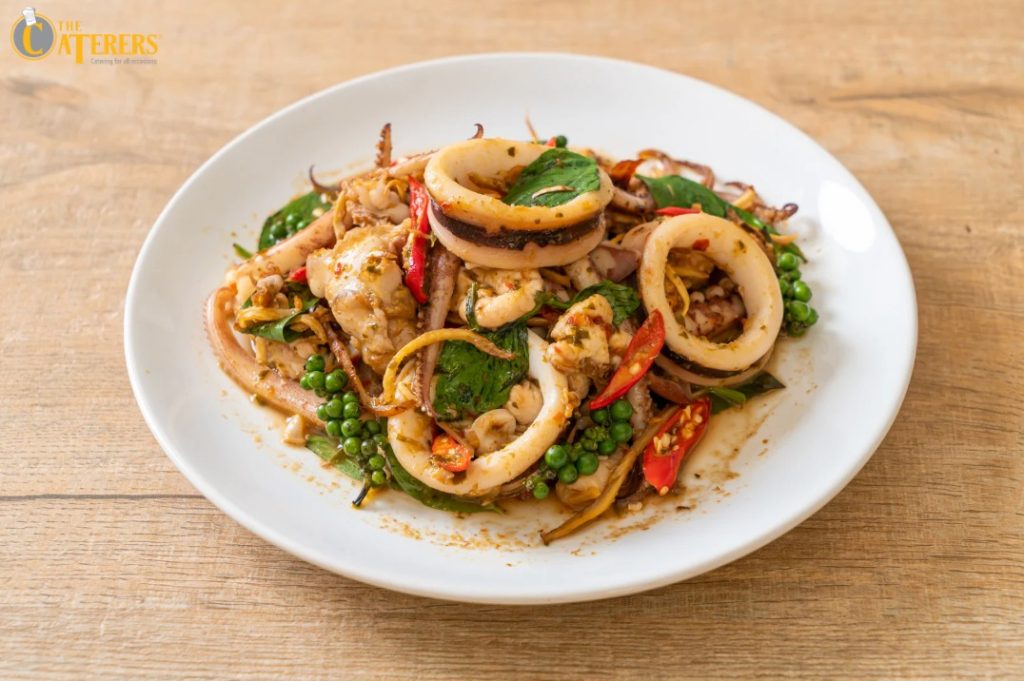
76. Morning Glory Stir-Fried with Garlic
- Main ingredients: Morning glory, garlic, cooking oil and seasoning.
- Nutritional value: Provides fibre, vitamins and minerals from leafy vegetables.
- Suitable for: Lower-secondary and upper-secondary students and adults who want a vegetable dish with more flavour than a simple boiled preparation.
- Cooking tip: Stir-fry quickly over high heat so the stems stay crisp and the leaves retain their colour.
Garlic gives morning glory a strong, familiar aroma while the vegetable keeps a slight crunch. The dish takes only around 10 minutes to cook.
77. Cabbage Stir-Fried with Mushrooms
- Main ingredients: Cabbage, mushrooms, garlic and seasoning.
- Nutritional value: Provides fibre, vitamins and minerals from cabbage and mushrooms.
- Suitable for: Primary, lower-secondary and upper-secondary students, vegetarians and adults who want a light vegetable stir-fry.
- Cooking tip: Cook the cabbage first, then add mushrooms once the cabbage begins to soften so the pan does not become too watery.
Cabbage is mildly sweet while mushrooms add a different texture. The dish works as a simple vegetable side or a light vegetarian option.
78. Squid Stir-Fried with Celery and Garlic
- Main ingredients: Squid, celery, onion, garlic and seasoning.
- Nutritional value: Provides protein from squid plus fibre and vitamins from vegetables.
- Suitable for: Lower-secondary and upper-secondary students and adults who do not have a seafood allergy; bones or shells should be checked carefully for younger children.
- Cooking tip: Stir-fry the squid over high heat for a short time so it remains tender, then add the vegetables.
Tender squid, celery and onion make a quick stir-fry with a fresh aroma. Avoid extended cooking because squid can become tough.
79. Beef Stir-Fried with Broccoli
- Main ingredients: Beef, broccoli, carrot, garlic and seasoning.
- Nutritional value: Provides protein and iron from beef plus fibre and vitamins from vegetables.
- Suitable for: Lower-secondary and upper-secondary students, people who exercise regularly and adults who want a meal combining a clear protein source with carbohydrates or vegetables.
- Cooking tip: Stir-fry the beef separately, remove it, then return it to the pan once the vegetables are nearly done.
Tender beef and crisp broccoli create a colourful dish that combines protein and vegetables. Once everything is sliced, cooking takes only about 15 minutes.
80. Bok Choy with Oyster Sauce
- Main ingredients: Bok choy, oyster sauce, garlic and a small amount of oil.
- Nutritional value: Provides fibre, vitamins and minerals from bok choy.
- Suitable for: Primary, lower-secondary and upper-secondary students and adults who want a mild vegetable side dish.
- Cooking tip: Cook the thicker stems slightly before the leaves so the whole vegetable reaches the right texture.
Bok choy is mildly sweet with crisp stems and soft leaves. A small amount of oyster sauce adds savoury flavour without needing many other ingredients.
81. Chicken Stir-Fried with Lemongrass and Chilli
- Main ingredients: Chicken, lemongrass, chilli, garlic and seasoning.
- Nutritional value: Provides protein from chicken.
- Suitable for: Lower-secondary and upper-secondary students and adults who are comfortable with spicy food; prepare without chilli for younger children.
- Cooking tip: Cook the chicken first and add finely chopped lemongrass and chilli toward the end so their aroma stays clear.
Chicken with lemongrass and chilli is aromatic and more pronounced in flavour than a mild stir-fry. It is best paired with plain rice and vegetables.
82. Sweet and Sour Seafood Stir-Fry
- Main ingredients: Prawns, squid, capsicum, onion, pineapple and sweet-and-sour sauce.
- Nutritional value: Provides protein from seafood plus fibre and vitamins from vegetables and fruit.
- Suitable for: Lower-secondary and upper-secondary students and adults who do not have a seafood allergy; bones or shells should be checked carefully for younger children.
- Cooking tip: Cook the seafood briefly first, remove it, then return it after the vegetables and sauce are ready.
This stir-fry combines seafood with colourful vegetables and a lightly sweet-and-sour sauce. Keeping the seafood cooking time short prevents it from becoming tough.
83. Green Beans Stir-Fried with Prawns
- Main ingredients: Green beans, prawns, garlic and seasoning.
- Nutritional value: Provides protein from prawns plus fibre and vitamins from green beans.
- Suitable for: Lower-secondary and upper-secondary students and adults who do not have a seafood allergy; bones or shells should be checked carefully for younger children.
- Cooking tip: Cut the beans into even pieces and add the prawns later so they do not overcook.
Crisp green beans and firm prawns create a simple dish with both vegetables and protein. The seasoning can remain light for a family meal.
84. Winter Melon Stir-Fried with Minced Pork
- Main ingredients: Winter melon, minced pork, garlic and seasoning.
- Nutritional value: Provides protein from pork plus fibre and vitamins from winter melon.
- Suitable for: Primary, lower-secondary and upper-secondary students and adults as part of an everyday family meal; seasoning can be reduced for younger children.
- Cooking tip: Cook the pork until crumbly first, then add thinly sliced winter melon and stir-fry just until tender.
Winter melon softens quickly and absorbs the savoury flavour of the pork. The dish is mild and easy to pair with rice.
85. Chayote Stir-Fried with Egg
- Main ingredients: Chayote, egg, spring onion and seasoning.
- Nutritional value: Provides protein from egg plus fibre and vitamins from chayote.
- Suitable for: Primary, lower-secondary and upper-secondary students and adults as part of an everyday family meal; seasoning can be reduced for younger children.
- Cooking tip: Slice the chayote thinly so it cooks quickly, then add the egg once the vegetable is nearly tender.
Chayote keeps a slight crunch while the egg adds softness and richness. It is an easy alternative to boiled vegetables.
86. Cabbage Stir-Fried with Egg
- Main ingredients: Cabbage, egg, spring onion and seasoning.
- Nutritional value: Provides protein from egg plus fibre and vitamins from cabbage.
- Suitable for: Primary, lower-secondary and upper-secondary students and adults as part of an everyday family meal; seasoning can be reduced for younger children.
- Cooking tip: Cook the cabbage until almost tender before adding the egg so the vegetable does not become too soft.
The mild sweetness of cabbage works well with soft egg. This is a quick dish that can be prepared in around 10–15 minutes.
87. Bitter Melon Stir-Fried with Egg
- Main ingredients: Bitter melon, egg, spring onion and seasoning.
- Nutritional value: Provides protein from egg plus fibre, vitamins and minerals from bitter melon.
- Suitable for: Lower-secondary and upper-secondary students and adults who are comfortable with the dish’s stronger flavour or texture.
- Cooking tip: Slice the bitter melon thinly and soak it briefly in cold water if you want to soften the bitterness.
Bitter melon keeps a light crunch while the egg adds a softer, richer texture. The dish is best suited to diners already familiar with its characteristic bitterness.
88. Luffa Stir-Fried with Egg
- Main ingredients: Luffa, egg, spring onion and seasoning.
- Nutritional value: Provides protein from egg plus fibre and vitamins from luffa.
- Suitable for: Primary, lower-secondary and upper-secondary students and adults as part of an everyday family meal; seasoning can be reduced for younger children.
- Cooking tip: Cook the luffa until nearly tender before adding the egg so the dish does not release too much liquid.
Luffa is naturally mild and slightly sweet, making it easy to combine with egg. The dish uses few ingredients and cooks quickly.
89. Green Beans Stir-Fried with Garlic
- Main ingredients: Green beans, garlic, cooking oil and seasoning.
- Nutritional value: Provides fibre, vitamins and minerals from green beans.
- Suitable for: Primary, lower-secondary and upper-secondary students and adults who want to add more vegetables to an everyday meal.
- Cooking tip: Cut the beans into even lengths and cook until tender but still slightly crisp.
Green beans with garlic have a simple aroma and work well beside meat, fish or tofu dishes. The cooking method is straightforward and quick.
90. Broccoli Stir-Fried with Garlic
- Main ingredients: Broccoli, garlic, cooking oil and seasoning.
- Nutritional value: Provides fibre, vitamins and minerals from broccoli.
- Suitable for: Primary, lower-secondary and upper-secondary students and adults who want to add more vegetables to an everyday meal.
- Cooking tip: Blanch the broccoli briefly before stir-frying so the florets cook evenly while keeping some bite.
Garlic broccoli is a simple vegetable dish with a bright colour and mild flavour. It combines easily with chicken, beef, fish or tofu.
10 Easy Vegetarian Dishes for More Variety
Vegetarian meals can add useful variety to a weekly menu. These dishes use familiar tofu, mushrooms, vegetables and noodles rather than relying on highly specialised ingredients.

91. Tofu with Mushroom Sauce
- Main ingredients: Tofu, mushrooms, spring onion and light sauce seasoning.
- Nutritional value: Provides plant-based protein from tofu plus fibre and micronutrients from mushrooms.
- Suitable for: Vegetarians, students and adults who want to rotate more plant-based dishes into their weekly menu.
- Cooking tip: Lightly pan-sear the tofu before adding the mushroom sauce so the pieces hold their shape.
Soft tofu and mushrooms create a mild plant-based dish that works well with rice. Different mushroom varieties can be used to change the texture.
92. Braised Eggplant
- Main ingredients: Eggplant, soy sauce, shallot and seasoning.
- Nutritional value: Provides fibre, vitamins and minerals from eggplant.
- Suitable for: Vegetarians, students and adults who want to rotate more plant-based dishes into their weekly menu.
- Cooking tip: Cut the eggplant into fairly large pieces so it becomes soft without completely breaking down during braising.
Braised eggplant absorbs sauce readily and develops a soft texture. It is a familiar vegetarian rice dish made with simple ingredients.
93. Vegetarian Fresh Spring Rolls
- Main ingredients: Rice paper, rice vermicelli, lettuce, herbs, cucumber, carrot and tofu if desired.
- Nutritional value: Provides carbohydrates from vermicelli plus fibre, vitamins and minerals from vegetables.
- Suitable for: Vegetarians, students and adults who want a fresh, light meal or snack.
- Cooking tip: Keep the rice paper slightly firm when rolling because it continues to soften after being moistened.
Fresh vegetarian rolls are flexible and can use whatever crisp vegetables are available. Tofu can be added when a more substantial filling is preferred.
94. Stir-Fried Glass Noodles with Vegetables
- Main ingredients: Glass noodles, carrot, greens, mushrooms and spring onion.
- Nutritional value: Provides carbohydrates from noodles plus fibre and vitamins from vegetables.
- Suitable for: Lower-secondary and upper-secondary students, vegetarians and adults who want a main dish lighter than rice.
- Cooking tip: Soak the noodles only until just pliable so they do not break or become mushy in the wok.
Glass noodles and mixed vegetables create a light but filling vegetarian meal. The vegetables can be changed according to season.
95. Vegetarian Pumpkin Soup
- Main ingredients: Pumpkin, onion, vegetable stock and optional milk or coconut milk.
- Nutritional value: Provides carbohydrates, fibre and vitamins from pumpkin.
- Suitable for: Primary, lower-secondary and upper-secondary students, vegetarians and adults who prefer a soft, mild soup.
- Cooking tip: Cook the pumpkin until tender before blending, then adjust the liquid gradually to control the thickness.
Pumpkin gives the soup a naturally smooth texture and mild sweetness. It can be served as a light meal component or starter.
96. Tofu in Tomato Sauce
- Main ingredients: Tofu, tomato, spring onion and seasoning.
- Nutritional value: Provides plant-based protein from tofu plus fibre and vitamins from tomato.
- Suitable for: Vegetarians, students and adults who want to rotate more plant-based dishes into their weekly menu.
- Cooking tip: Lightly pan-sear the tofu first so it stays intact while simmering in the tomato sauce.
Tofu in tomato sauce is a very familiar Vietnamese vegetarian dish with a mild sweet-and-sour flavour. It takes only around 15–20 minutes to prepare.
97. Tofu Braised with Mushrooms
- Main ingredients: Tofu, mushrooms, shallot and braising seasoning.
- Nutritional value: Provides plant-based protein from tofu plus fibre and micronutrients from mushrooms.
- Suitable for: Vegetarians, students and adults who want to rotate more plant-based dishes into their weekly menu.
- Cooking tip: Pan-sear the tofu lightly before braising so the pieces absorb sauce without falling apart.
Tofu and mushrooms both absorb the light braising sauce, making the dish well suited to rice. Use straw, shiitake or king oyster mushrooms depending on availability.
98. Mushrooms Braised with Pepper
- Main ingredients: Mushrooms, black pepper, shallot and light braising seasoning.
- Nutritional value: Provides fibre and a range of micronutrients from mushrooms.
- Suitable for: Vegetarians, lower-secondary and upper-secondary students and adults who are comfortable with pepper.
- Cooking tip: Braise only until the mushrooms absorb the sauce while still keeping a slight bite.
Mushrooms bring a distinctive texture to a simple braised dish. A modest amount of pepper is enough to add aroma without overwhelming the vegetables.
99. Mixed Vegetable Stir-Fry
- Main ingredients: Broccoli, carrot, baby corn, mushrooms and peas.
- Nutritional value: Provides fibre, vitamins and minerals from a range of vegetables.
- Suitable for: Vegetarians, students and adults who want to rotate more plant-based dishes into their weekly menu.
- Cooking tip: Cook firmer vegetables first, then add mushrooms and quicker-cooking vegetables later.
A mixed vegetable stir-fry is colourful and easy to adapt to seasonal produce. Tofu can be added if a plant-based protein source is needed.
100. Vegetarian Stir-Fried Rice Vermicelli
- Main ingredients: Rice vermicelli, tofu, carrot, greens, mushrooms and spring onion.
- Nutritional value: Provides carbohydrates from vermicelli, plant-based protein from tofu and fibre from vegetables.
- Suitable for: Vegetarians, students and adults who want a change from rice or glass noodles.
- Cooking tip: Cook the vegetables and tofu first, then add the vermicelli and toss briefly so the noodles do not break.
Vegetarian rice vermicelli combines several familiar ingredients in one practical dish. The vegetables can be adjusted according to what is already available in the kitchen.
The Caterers – School Meal and Nutritional Menu Solutions
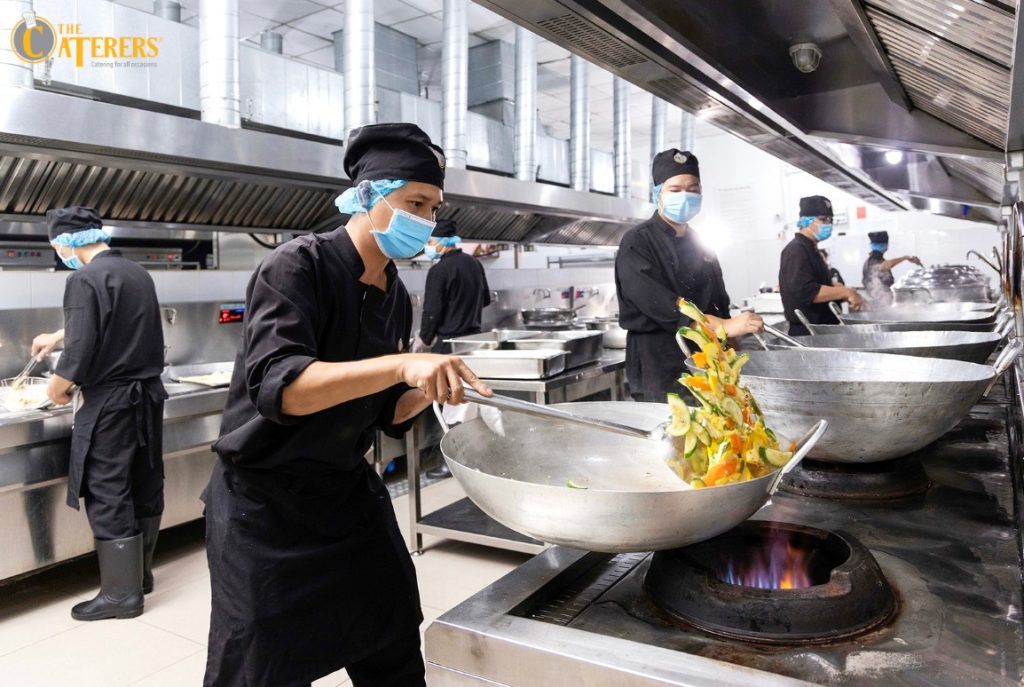
With more than 20 years of experience in menu planning and food service operations, The Caterers currently serves more than 20,000 meals each day across more than 50 school campuses. School menus are developed around students’ nutritional requirements while also considering age, taste preferences, energy needs, school schedules and the practical service conditions of each campus.
Through our school canteen services, The Caterers works with schools on menu planning, portion balance, food preparation, meal portioning and everyday service. Menus can combine familiar Vietnamese dishes with suitable international options, then be adapted for different year levels and the operating model of each school.
Contact The Caterers to discuss a school meal and canteen solution suited to your school’s size, requirements and operating conditions:
- Hotline: 028 3812 6901
- Email: sales@thecaterers.vn