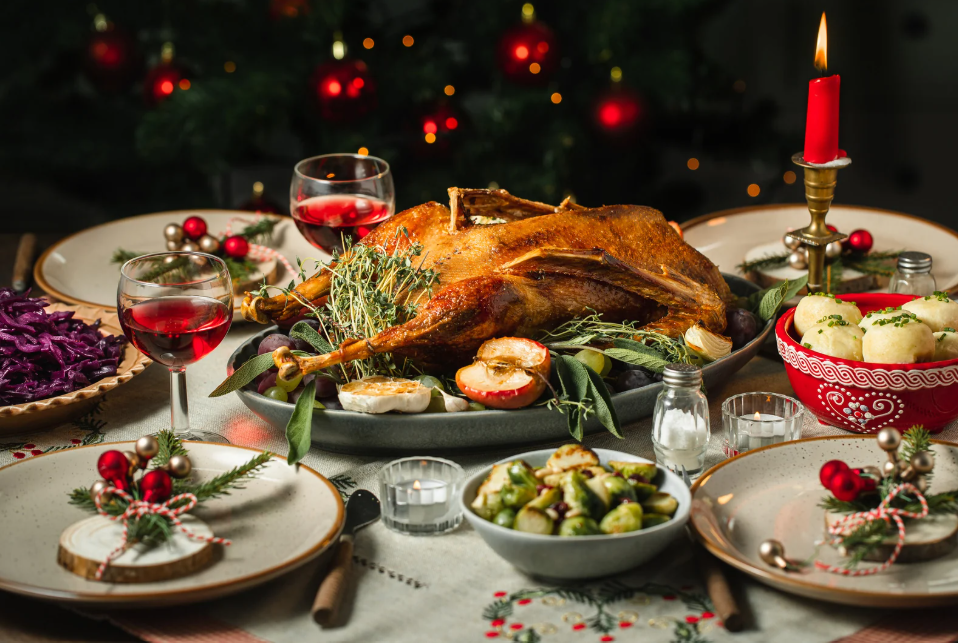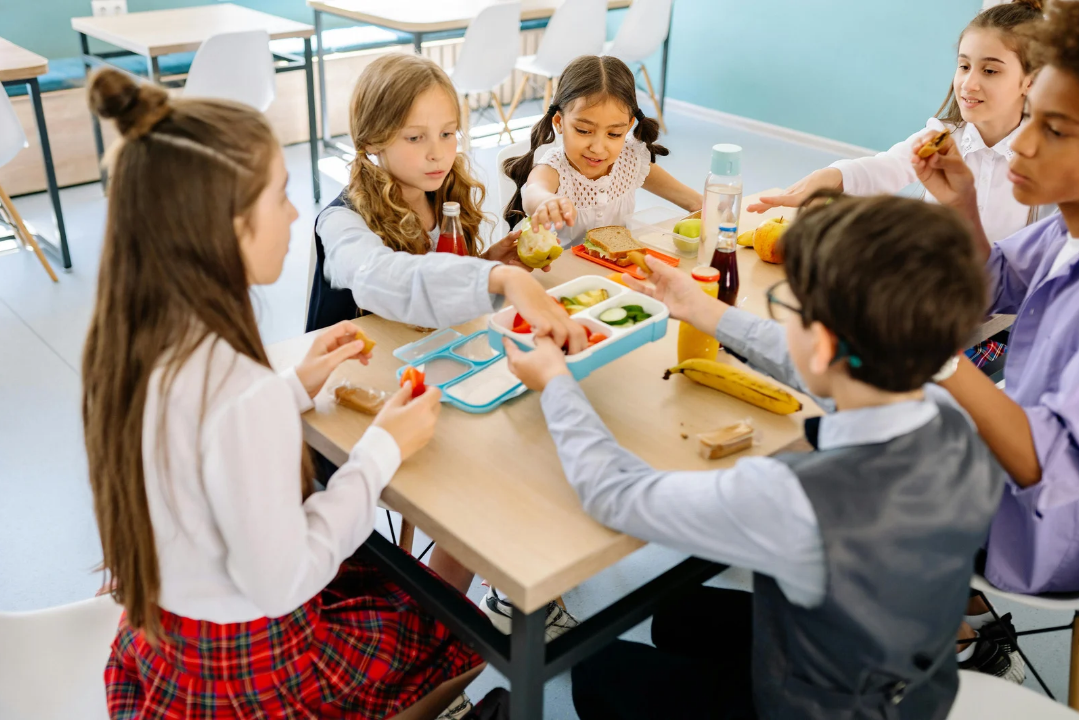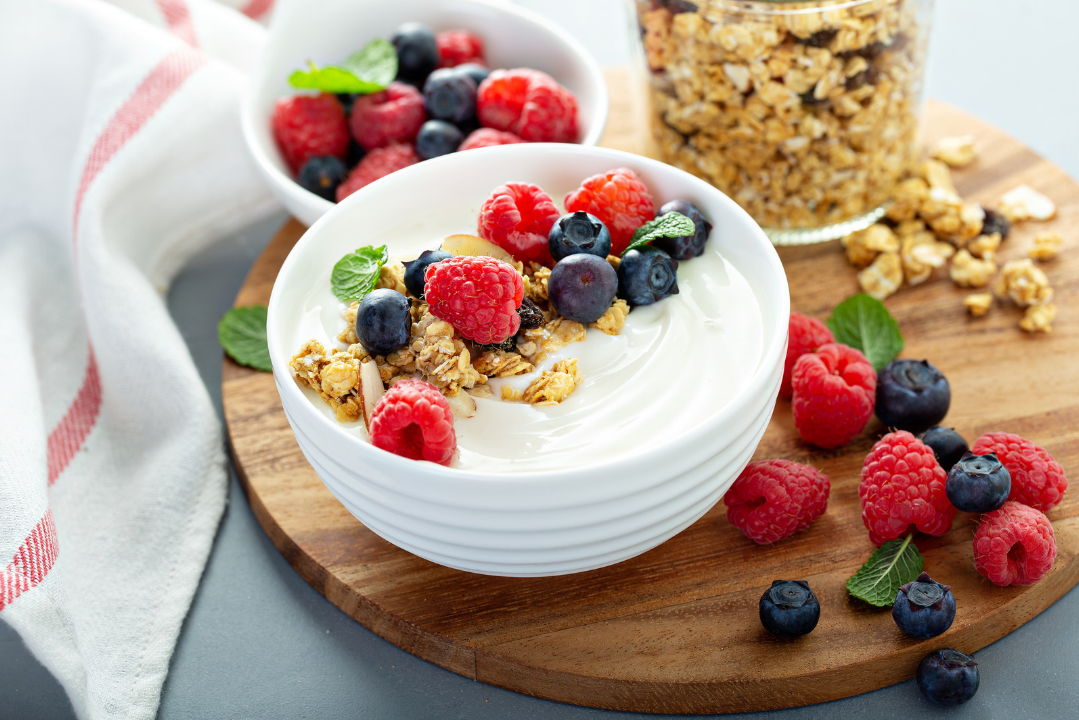
The end-of-year celebration is an opportunity for students and teachers to look back on memories, recognize achievements, and share in the joy of a year of learning. Beyond the closing ceremony, cultural performances, games, and shared meals all contribute to creating unforgettable moments before the summer break.
Depending on the age group, scale, and resources of the school, end-of-year celebrations for students can be held right in the classroom, combined with a buffet, or organized as a full experience day. Below are 6 ideas along with activity suggestions, organizational tips, and menus suited to each format.
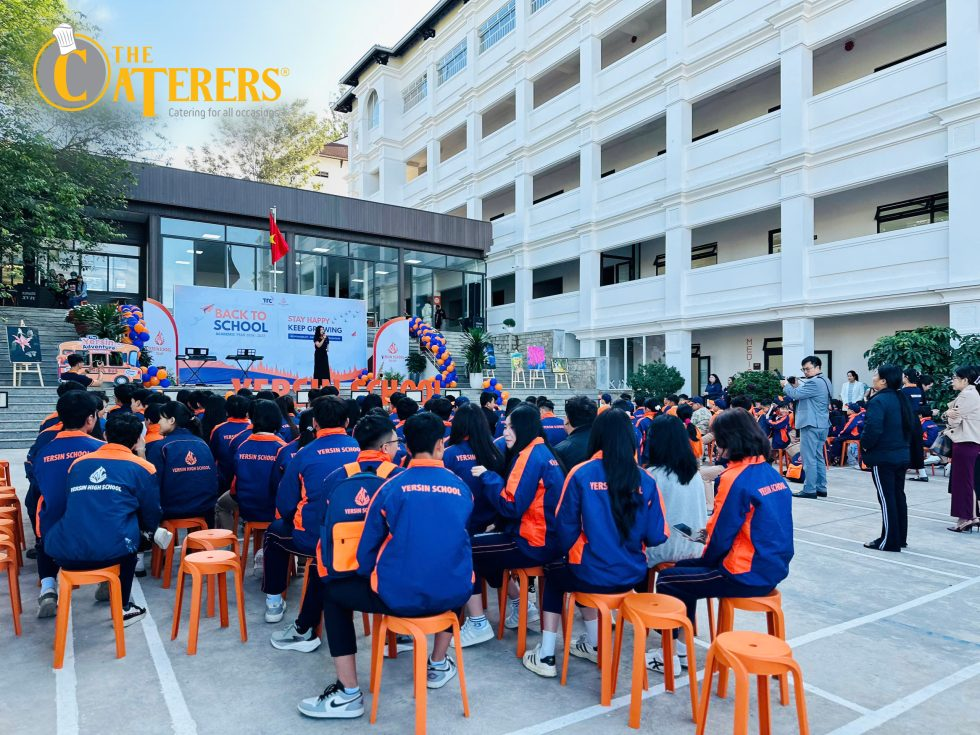
Overview of 6 Ideas for Organizing End-of-Year Student Celebrations
Each celebration format has its own distinct characteristics in terms of activities, space, and meal service. Schools can base their choice on students' age groups, the number of participants, and the purpose of the program.
| Celebration idea | Highlight activities | Suitable for | Scale |
| In-classroom celebration | Decorating, games, performances | Elementary, middle school | By class |
| Performances and awards ceremony | Performances, closing remarks, recognition | Elementary, middle school, high school | By grade level or whole school |
| End-of-year buffet | Culinary experience, self-service | Schools with a cafeteria or dining hall | By class, grade level, or in shifts |
| Festival day with food stalls | Traditional games, food stalls | Schools with spacious grounds | By grade level or whole school |
| Cultural-themed celebration | Exploring culture and cuisine | Elementary, bilingual, and international schools | By class, grade level, or whole school |
| End-of-level farewell celebration | Appreciation, signing yearbooks, photo-taking | Grade 5, Grade 9, and Grade 12 students | By class or entire grade level |
Schools can also combine multiple ideas within the same program — for example, organizing performances before a buffet, or setting up food stalls during the end-of-year festival day.
1. Hosting the End-of-Year Celebration Right in the Classroom
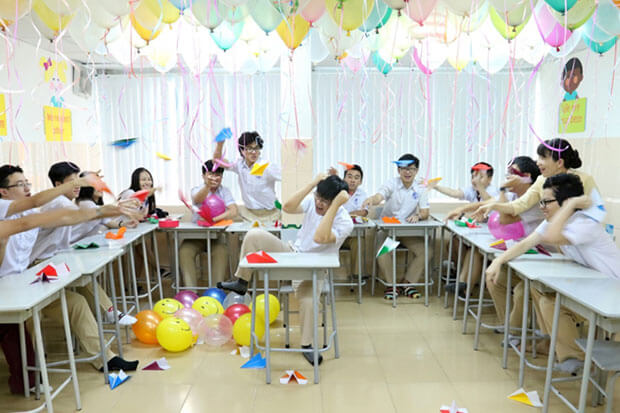
An in-classroom celebration is an intimate, easy-to-implement format that works well for elementary and middle school students. In a familiar setting, teachers can organize fun activities, memory-sharing, and a light meal for the whole class to enjoy during the final days of the school year.
Highlight Activities
- Classroom decoration: Students can decorate the board with balloons, paper flowers, and a welcome banner for the celebration. The bulletin board or back wall can be used to display memorable photos, drawings, and well-wishes, while the teacher's desk can be adorned with flowers or thank-you cards.
- Performances and games: Teachers can organize group singing, trivia games about events from the school year, guess-the-classmate-from-a-photo, or a lucky draw.
- Sharing memories: Students look back on memorable moments together, express gratitude to their teachers, and exchange small keepsakes with friends.
Implementation Guide
The homeroom teacher should coordinate with students and parents to agree on the schedule, program content, and preparation tasks. Desks and chairs can be rearranged to create open space for games, while a designated area should be set aside for food and drinks in accordance with school regulations.
The program should begin with a brief review of the year, followed by performances, games, and conclude with refreshments and group photos.
Suggested Menu
Since classroom space is typically limited, the menu should prioritize dishes that are easy to portion and serve, such as chicken sandwiches, mini sandwiches, or rice rolls. Schools can also prepare birthday cake, seasonal fruit, or yogurt for students to enjoy together.
If the celebration takes place during lunchtime, the menu should be adjusted to fully meet the requirements of a proper main meal.
2. Celebration Combined with Cultural Performances and an Awards Ceremony
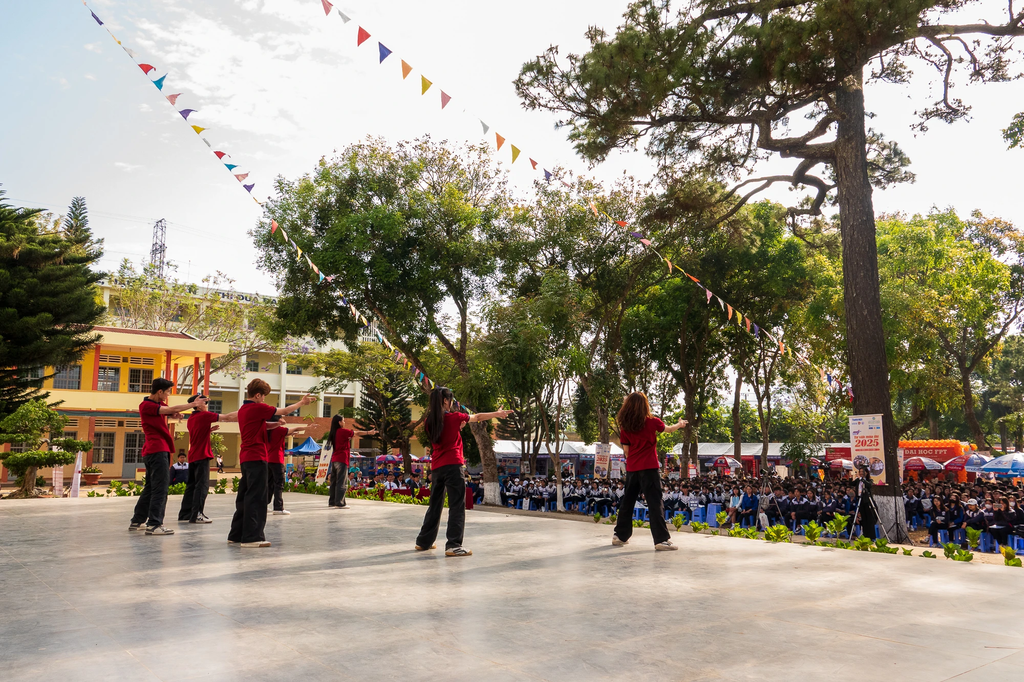
Cultural performances and award presentations are familiar highlights of the end-of-year closing ceremony. Following the formal ceremony, schools can organize a celebration where students and teachers can mingle, take photos, and share in the joy of a year of learning together.
Highlight Activities
- Cultural performances: Classes can prepare singing and dancing acts, instrumental performances, or short plays about school life, teachers, and friendship.
- Recognizing achievements: School administrators deliver end-of-year remarks, present certificates of merit, and acknowledge students with outstanding achievements or significant academic progress.
- Preserving memories: Schools can display a slideshow of highlights from the year's activities, and organize group photos for students and teachers.
Implementation Guide
For the program to run smoothly, schools should separate the closing ceremony and the celebration into two distinct phases. The formal ceremony is held in the schoolyard or auditorium, with a stage, sound system, and seating arranged by class.
If a meal is planned after the program, students can move to the cafeteria or a designated dining area organized by grade level. The kitchen staff should be notified in advance of the number of students and the scheduled meal time to prepare accordingly.
Suggested Menu
When a large number of students are dining at the same time, individual plated servings will help the school control portions and reduce waiting time.
The menu can include grilled chicken rice, meatballs in tomato sauce with rice, or fish in sauce with rice, paired with vegetables, soup, and fruit for dessert. If students have already had their main meal before the program, the school only needs to prepare pastries and fruit for the social gathering portion.
3. Organizing a Buffet Party for the End-of-Year Celebration
Highlight Activities
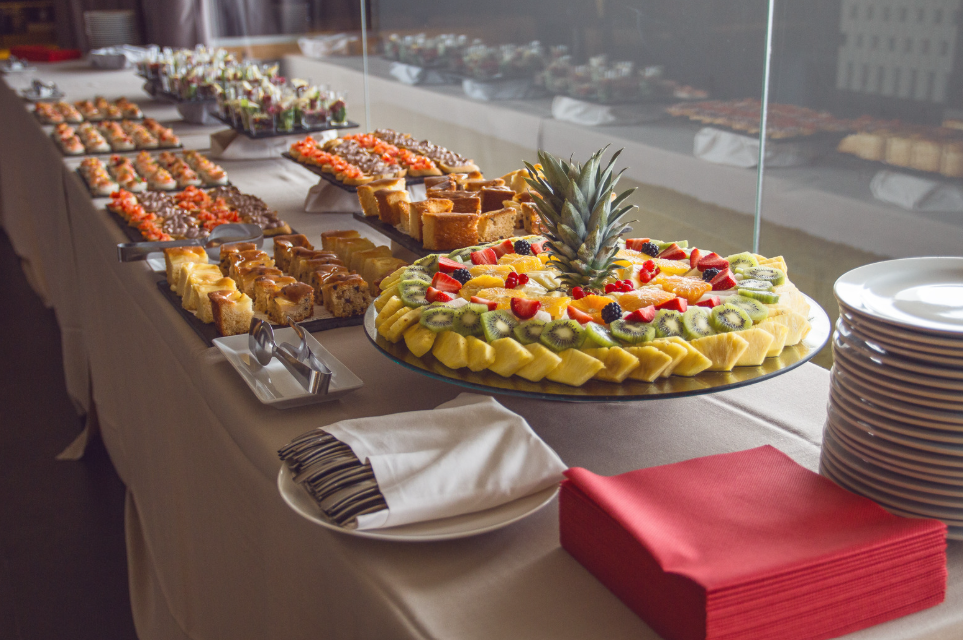
- Food exploration experience: Students can explore the buffet stations, learn the names of dishes, and choose their own main course, side dishes, or desserts according to their preferences.
- Self-service skills practice: Teachers and staff guide students on how to queue, use serving utensils, and select appropriate portion sizes.
- Social dining: Students can enjoy food with their friends, share their thoughts on the dishes, and practice cleaning up after the meal.
Implementation Guidelines
The school should set up separate stations for main dishes, vegetables, and desserts, while also preparing dish name signs and clear pathways for movement. For schools with a large student population, staggering meal times by class or grade level will help prevent overcrowding at the stations.
In addition, teachers and staff should assist younger students, especially at stations serving hot food.
Suggested Menu
The buffet menu should incorporate a variety of food groups so that students can choose and enjoy a well-balanced meal. The school can prepare fried vegetable rice, pasta, pan-seared chicken, meatballs in tomato sauce, vegetable soup, and fruit for dessert.
The number of dishes should match the kitchen team's capacity to prepare, store, and replenish food throughout the entire service period.
4. Organizing an End-of-Year Festival with Food Stalls
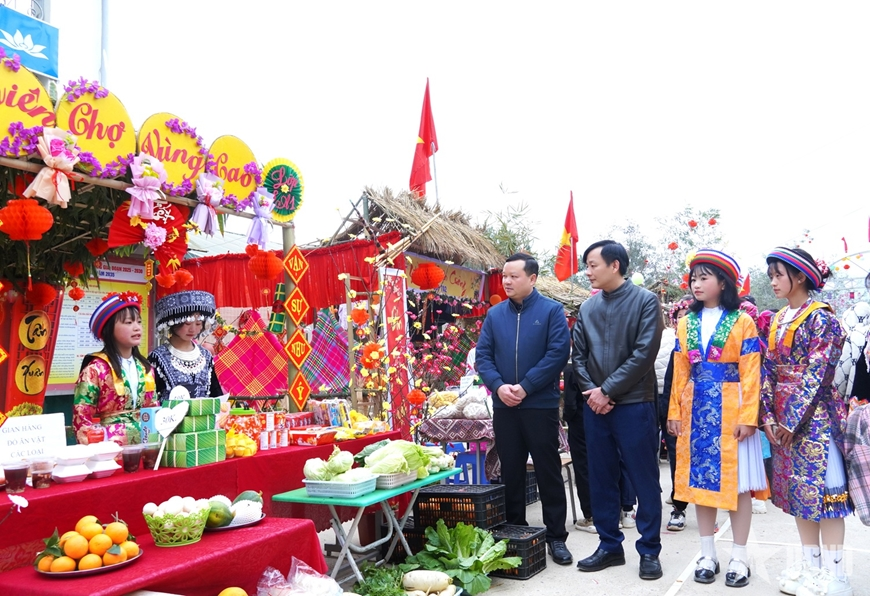
For schools with a spacious campus, an end-of-year festival is an opportunity for students to interact across classes through traditional games, creative activities, and food stalls. This format is well-suited for schools that have enough space and staff to run multiple activities simultaneously.
Highlight Activities
- Traditional games: Students can take part in tug-of-war, sack races, ring toss, or o an quan at designated areas with supervising guides.
- Creative stalls: The school can set up areas for coloring, card making, decorating paper fans, or displaying students' handmade crafts.
- Cultural performance exchange: Classes take turns performing singing and dancing acts or joining group games on the shared stage.
Implementation Guidelines
The school should clearly divide areas for physical games, craft stalls, and dining. Active games should be held in open courtyards, while craft activities can be set up in covered areas with tables and chairs.
To avoid overcrowding, teachers can divide students into small groups and guide them to rotate through each activity in turns.
Suggested Menu
Since students will typically be moving between multiple stalls, food items should be prepared in individual portions for easy selection and serving.
The school can set up stalls offering chicken sandwiches, rice rolls, steamed pork buns, boiled corn, or fresh fruit. If the program runs through lunchtime, a proper main meal should also be organized at the cafeteria or a central dining area.
5. Cultural and Culinary-Themed Celebration
A culturally themed celebration is a great option for schools that want to combine end-of-year activities with educational experiences. The school can choose a theme such as "Flavors of Three Regions," Vietnamese folk culture, or expand the scope to include international cultural exchange.
Highlight Activities
- Cultural introductions: Each class can be responsible for a particular region or country, presenting images, traditional costumes, and representative dishes.
- Artistic performances: Students participate in folk singing, traditional dance, musical instrument performances, or traditional games.
- Cultural quiz games: The school can organize activities such as guessing regional specialties, matching dishes to their places of origin, or exploring local customs and festivals through images.
Implementation Guidelines
With the theme "Flavors of Three Regions," the school can assign classes to take turns showcasing the culinary culture of the North, Central, and South. Each booth should be decorated with local imagery, dish names, and brief information about the region's signature ingredients.
The kitchen team needs to coordinate with teachers to select dishes that are appropriate for the students' age group, the number of students, and the actual serving conditions.
Suggested Menu
The menu should tie directly to the theme so that students can both enjoy the food and learn about the culinary characteristics of each region. For example, the Northern booth could feature steamed rolled rice cakes with pork filling, the Central booth could serve Mi Quang noodles, and the Southern booth could offer broken rice or fresh spring rolls.
If the program is primarily experiential, the dishes can be portioned into small servings and adjusted in flavor to suit the students.
6. End-of-Level Farewell Party and Preserving Memories
For students in Grade 5, Grade 9, and Grade 12, the end-of-year celebration is also an occasion to say farewell to teachers and friends before moving on to a new learning environment. As such, the program should prioritize activities centered on gratitude and collective memory-keeping.
Highlight Activities
- Memory video screening: Students can watch back photos and footage of classroom moments, field trips, and memorable extracurricular activities together.
- Yearbook signing: Teachers can set up a table at the back of the classroom or in the common area where students can write messages, sign their names, and leave notes for their friends.
- Performances and appreciation: Students perform farewell songs, share words of gratitude, and present flowers to their teachers. For Grade 12 students, this activity can be combined with a formal appreciation and coming-of-age ceremony.
Implementation Guide
Teachers should encourage students to take an active role in preparing the program — from creating the memory video and selecting performances to decorating the space. The classroom board or stage can feature group photos and farewell messages as a focal point.
After the appreciation segment, the school should allow time for students to take photos, chat, and enjoy the celebration meal together with their teachers.
Suggested Menu
The menu can be chosen based on the students' general preferences, featuring familiar dishes that are easy to serve. The school can prepare individual meal sets with grilled chicken rice, vegetables, soup, and fruit, or organize a small buffet with pasta, pan-fried chicken, meatballs, and dessert.
Surveying students' preferences before finalizing the menu also helps ensure the celebration meal better reflects the tastes of the whole group.
Important Notes for Organizing the End-of-Year School Celebration
To ensure the celebration runs smoothly, the school needs to prepare a plan that is appropriate for the students' age group, the number of participants, and the actual organizing conditions.
- Scale and venue: The school needs to choose a space with sufficient capacity while also arranging activity areas and safe pathways for movement.
- Schedule and staffing: Teachers should allocate time appropriately between activities, meals, and breaks, and assign staff to oversee each area.
- Menu and portions: The kitchen team needs to select dishes based on the students' age group, meal timing, and serving format to ensure appropriate portion sizes.
- Food safety: The school needs to monitor ingredients, food preparation, and storage, while also taking note of students with allergies or special dietary requirements.
- Organizing budget: Costs for decoration, activities, and food should be agreed upon transparently, kept in line with actual conditions, and ensure that all students are able to participate.
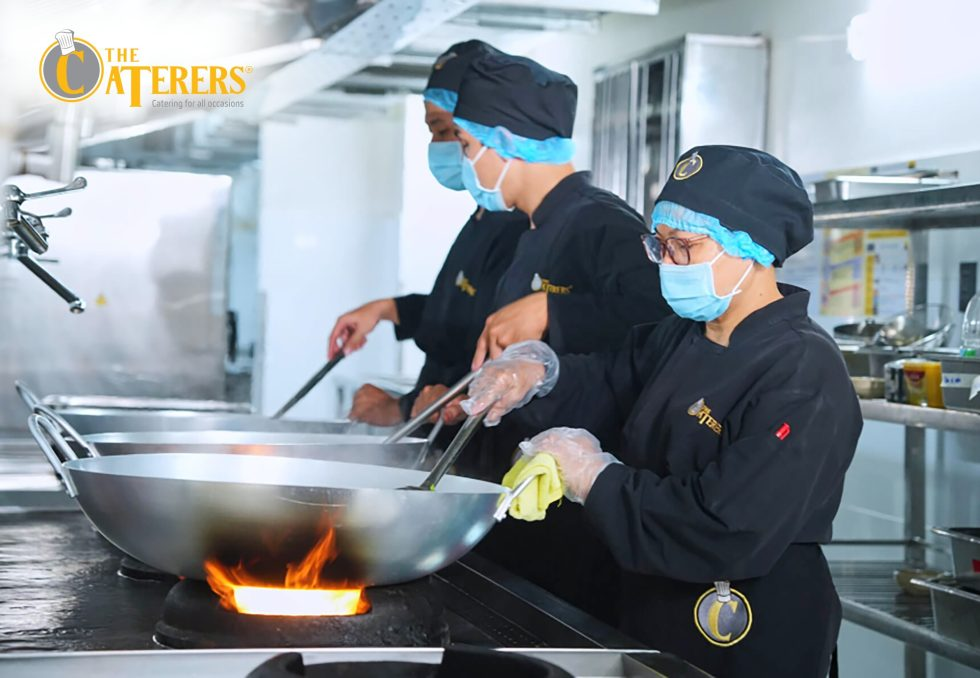
For programs featuring buffets or food stalls, the school should pay special attention to food safety in school meal services throughout the entire preparation and serving process.
The Caterers – Professional School Meal and Canteen Management Solutions
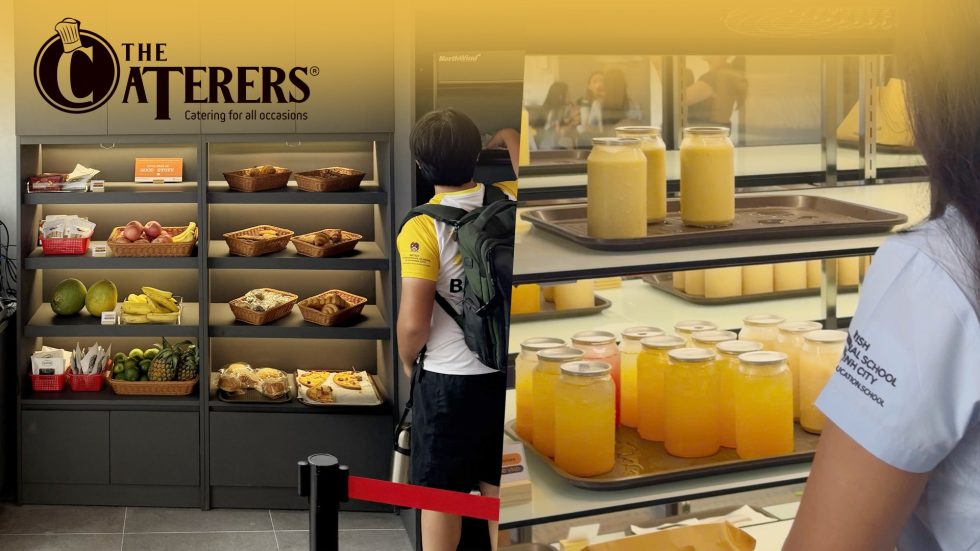
With over 20 years of experience in the catering industry, The Caterers specializes in providing school meal services and canteen management in Ho Chi Minh City, Hanoi, and many other areas. Menus are developed according to students' age groups, portion sizes, and nutritional needs, blending Vietnamese dishes with international cuisine.
Beyond everyday meals, end-of-year celebrations are also an opportunity for schools to refresh their menus and choose a serving format that best fits the occasion. With a capacity of over 20,000 meals served per day, The Caterers brings expertise in menu development, meal quality control, and school canteen operations.
Contact The Caterers for consultation on meal service and canteen management solutions tailored to your school's specific needs.
- Hotline: 028 3812 6901
- Email: [email protected]
- Website: www.thecaterers.vn
- Address: 15–15A Do Cong Tuong Street, Tan Son Nhi Ward, Ho Chi Minh City