
A nutritious breakfast helps students begin the school day with enough energy to stay alert, focused and ready to learn. For international schools, breakfast planning also needs to reflect a wide range of cultural backgrounds, eating habits and age-specific nutritional needs.
A well-designed international school breakfast menu should do more than keep students full. It should balance nutrition, taste, convenience and operational consistency. This is especially important in international school environments, where meals need to be suitable for different student groups while remaining practical for daily school catering operations.

Key Principles for Designing Nutritious Breakfasts for Students
Breakfast is the first meal of the day, so it plays an important role in replenishing energy after a long period of rest. A suitable school breakfast should provide essential nutrients while fitting naturally into students’ morning routines, school schedules and canteen service models.
Key Criteria for a Suitable School Breakfast
A nutritious breakfast for students should include a balanced mix of key food groups. Carbohydrates provide energy for the morning lessons, while protein helps students feel satisfied for longer. Supporting components such as vegetables, fruit, milk or yoghurt can help improve nutritional balance and make the meal more enjoyable.
However, breakfast should remain compact and easy to eat. It should not feel too heavy or provide the same level of energy as lunch. In a school environment, the best breakfast options are usually those that are age-appropriate, easy to digest and simple to serve within a limited morning time frame.
In practice, school breakfasts can be designed in many different ways. Options may range from simple bread-based meals such as pork-floss bread or sandwiches to familiar Vietnamese dishes such as hu tieu, noodle soup, pho or stewed noodle dishes. The key is to ensure that each option is easy to eat, suitable for students’ age groups and able to provide enough energy for morning activities.
For primary school students, breakfast portions should be light, mild in flavour and easy to chew. For older students, such as secondary school students, schools may consider more filling options with additional protein, especially for students with longer timetables, morning sports or extracurricular activities.

Operational Factors Schools Should Consider
In a school setting, nutritional planning is only one part of breakfast menu design. Schools also need to consider whether each dish can be prepared efficiently, served quickly and maintained at a consistent quality when served to many students at the same time.
Some hot dishes may be suitable for a dine-in school canteen model, while sandwiches, bread-based items, yoghurt, fruit and packaged breakfast combos may work better for a grab-and-go breakfast model. For international schools with multiple grade levels, it is also useful to group breakfast options by age, service time and eating habits.
Food safety should remain a top priority in every school breakfast programme. Breakfast is often served in large quantities within a short time frame, so schools should choose dishes that can be prepared through clear, controllable processes and are suitable for the actual operating capacity of the catering provider.
12 Nutritious Breakfast Ideas for Students at International Schools
The following breakfast options are designed for school environments, especially international schools that need diverse, flexible and practical menus. The dishes are divided into two groups: simple, easy-to-eat morning options and more filling meals for students who need additional energy.
Simple, Easy-to-Eat Breakfast Options
1. Ham and Cheese Sandwich
A ham and cheese sandwich is a simple, familiar and practical breakfast option for students across different age groups. It provides carbohydrates from the bread and protein from the ham and cheese, while still being easy to pair with vegetables or fruit for a more balanced meal.
For international schools, sandwiches are especially useful because they are widely recognised and easy for students from different backgrounds to accept. They can be served in the canteen or prepared as part of a grab-and-go breakfast model, depending on the school’s morning schedule.
This option can also be adapted with different fillings to suit dietary preferences, cultural requirements or age-specific portion sizes.

2. Chicken Mayonnaise Baguette
A chicken mayonnaise baguette is an easy-to-accept breakfast item thanks to its familiar flavour, compact portion size and steady energy source. The chicken adds protein, while the bread helps students feel comfortably full during the first part of the school day.
When served in a school environment, this dish can be adjusted by controlling the amount of sauce, the softness of the bread and the portion size for each age group. This ensures the meal remains enjoyable, balanced and suitable for students across different school levels.

3. Beef Ragout with Bread
Beef ragout served with bread is a suitable option for days when students need a warm and more filling breakfast. The dish can provide carbohydrates, protein and vegetables in one portion, helping students maintain enough energy before lunchtime.
For schools with a dine-in canteen breakfast model, a hot dish such as beef ragout can also support efficient kitchen operations. With clear preparation steps, it can fit well into a one-way kitchen workflow and help maintain stable food quality during service.
4. Pre-Packed Savoury Sandwiches
Pre-packed savoury sandwiches are suitable for schools that need a quick, hygienic and portion-controlled breakfast solution. The fillings can be varied based on students’ preferences, such as meat floss, shredded dried chicken, beef or other savoury options.
This type of breakfast works well for students who arrive early, need to eat quickly before class or attend schools with high canteen traffic in the morning. Its main advantage is convenience.
However, to maintain quality, schools and catering teams should carefully control the freshness of ingredients, filling preparation and storage conditions before serving.
5. Yoghurt and Fresh Fruit
Yoghurt and fresh fruit can be served as a light breakfast or as an add-on in a breakfast combo. Schools may also combine this option with a carbohydrate source such as overnight oats to create a more interesting and balanced breakfast.
For younger students, yoghurt and fruit are often easy to accept because of their natural sweetness, appealing colours and light texture. This option is also suitable for students who prefer a lighter meal in the morning and do not want to feel overly full before class.

More Filling Breakfast Options for Students Who Need Extra Energy
6. Stir-Fried Rice Vermicelli with Shredded Chicken
Stir-fried rice vermicelli with shredded chicken is a moderately light breakfast option that still provides a good amount of energy. The glass noodles are easy to eat, while the shredded chicken provides protein to make each portion more energy for morning activities.
When combined with vegetables, this dish becomes more balanced in colour, flavour and nutrition. It is suitable for students who need a more filling breakfast without feeling too heavy.
In a school catering model, stir-fried rice vermicelli can also be portioned flexibly if the cooking, hot-holding and service process is well controlled.
7. Stir-Fried Macaroni with Beef
Stir-fried macaroni with beef is a familiar breakfast dish that is easy to eat and suitable for many age groups. Macaroni provides carbohydrates, beef adds protein and vegetables bring balance through colour, texture and natural sweetness.
In an international school environment, this dish feels familiar to Vietnamese students while also being approachable for students from different cultural backgrounds. It is a practical option for schools that want to diversify their breakfast menu while maintaining operational efficiency.

8. Stir-Fried Flat Noodles with Pork
Stir-fried flat noodles with pork are a nutritious breakfast option, particularly suitable for older students or days with more physical activity. The dish has a soft texture, is easy to eat and can be adjusted in flavour using sauces or condiments that suit school dining preferences.
When included in a canteen menu, stir-fried noodles should be balanced with vegetables and served in moderate portions. This helps prevent the meal from feeling too heavy in the morning while still providing enough energy for students.
9. Chicken Rice with Mild Pepper Sauce
Chicken rice with mild pepper sauce can be suitable for secondary school students or for a brunch-style breakfast model. This dish provides good energy, is easy to portion and can be used on days when students need a more filling option.
In a school environment, the level of pepper and spice should be adjusted carefully. Instead of creating an overly strong flavour, chefs can moderate the seasoning to suit a wider range of students while still maintaining the appeal of the sauce.

10. Pork Cutlet with Black Pepper Sauce
Pork cutlet with black pepper sauce is a protein-rich option made from a quality cut of pork, suitable for students who need a more substantial breakfast. When served as part of a school breakfast menu, the portion should be designed carefully so that it does not feel too heavy but still provides enough energy.
This dish can be served with bread, rice or vegetables, depending on each school’s service model. The sauce should also be adjusted to suit students’ taste preferences, while the portion size should support a balanced breakfast structure.
11. BBQ Chicken for a Brunch-Style Portion
BBQ chicken can be suitable for a brunch-style model at international schools. The dish has an approachable flavour, provides protein and can be paired with bread, potatoes, salad or vegetables.
For schools with flexible schedules, morning sports activities or different meal times across grade levels, brunch-style dishes such as BBQ chicken can help make the breakfast menu more varied and appealing.
12. Bread, Yoghurt and Fresh Fruit Combo
A combo of bread, yoghurt and fresh fruit is a balanced, easy-to-implement option suitable for many school models. Bread provides energy, yoghurt adds a dairy component and fruit makes the meal feel refreshing and easier to enjoy.
Bread can be prepared in many different ways, from Vietnamese-style options with pâté and butter to other variations served with fish in sauce, stewed meat or different fillings.
This type of menu can also be rotated flexibly throughout the week. Schools can change the bread type, filling, fruit or dairy product to avoid repetition while maintaining a stable breakfast structure.
How to Choose the Right Breakfast for Each International School Model
Each international school has its own characteristics, including student age groups, schedules, facilities, canteen model and parent expectations. For this reason, breakfast menu planning should always be considered within each school’s specific operational context.
Based on Age Group and Eating Habits
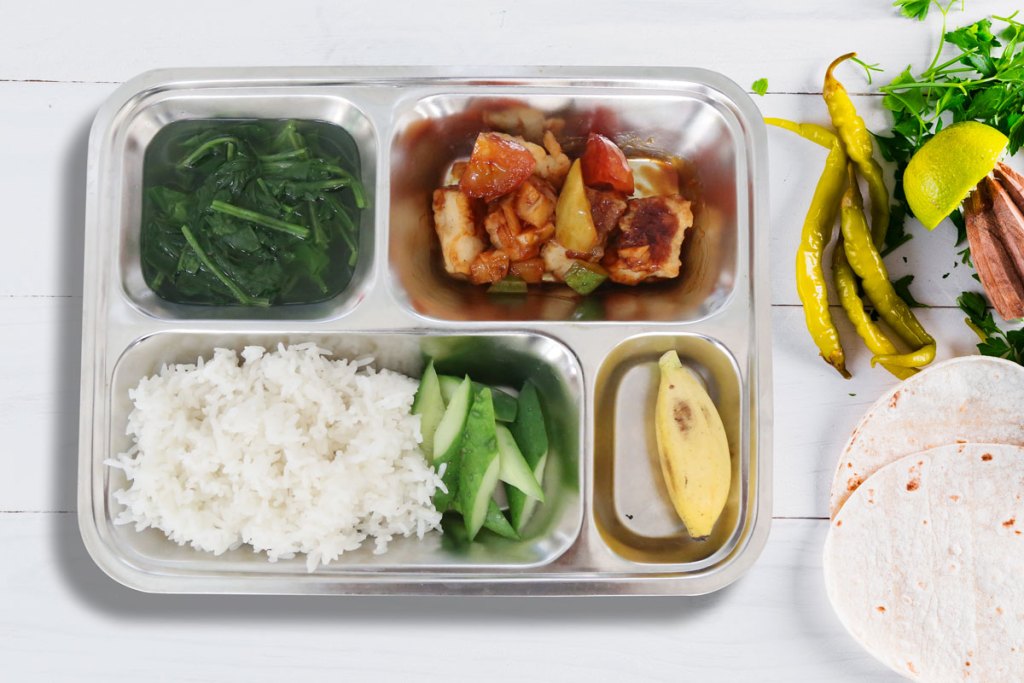
To choose the right breakfast, schools can begin by assessing the age groups of their students. For primary school students, breakfast should prioritise soft, easy-to-eat dishes, compact portions and mild flavours. Options such as sandwiches, soft bread, yoghurt, fruit or lightly seasoned stir-fried dishes are often suitable for this group.
A good international school breakfast menu should include diverse culinaries, from Asian to Western options, meals that are familiar to Vietnamese students and choices that are approachable for international students. This helps ensure that breakfast is not only nutritious but also comfortable for students to enjoy every day.
On hot days, schools can also include refreshing, mild dishes as part of a summer breakfast rotation. This helps support students’ nutritional needs while providing lighter meal options during warmer weather.
Based on the School’s Operating Model
For a grab-and-go breakfast model, items such as sandwiches, bread, yoghurt, fruit or packaged breakfast combos are often more suitable. These options are practical for students who arrive early, have limited time before class or need a convenient meal format.
In contrast, a dine-in canteen model allows schools to offer a wider variety of options, including hot dishes, stir-fried meals, bread-based dishes and portioned breakfast combos. This model is suitable for schools with stable dining spaces, clear service times and an operations team with sufficient capacity.
Some schools may combine both models. Quick breakfast items can be offered for students who need to eat before class, while hot dishes can be served on-site in the canteen. This approach makes the breakfast programme more flexible and better suited to the diverse needs of students.
FAQ
Should Schools Prioritise Hot or Cold Dishes for Breakfast?
Both hot and cold dishes can be suitable for school breakfast. However, warm dishes are often preferred because they provide a more comforting start to the day. Cold dishes can be included at lunch or as part of a brunch-style meal. The most important point is that each dish should be nutritious, easy to eat and served according to food safety standards.
What Nutritional Elements Should a School Breakfast Include?
A nutritious school breakfast should include carbohydrates, protein and supporting components such as vegetables, fruit, milk or yoghurt. Breakfast should not be too oily or as heavy as lunch. The goal is to give students enough energy to start the day well without causing discomfort or sluggishness.
Can Vegetarian Dishes Be Served for Breakfast?
Vegetarian dishes can be served for breakfast if they are designed to provide enough energy and include sufficient protein sources such as eggs, dairy products, beans, mushrooms or plant-based ingredients. For international schools, vegetarian options can also make the menu more flexible for students with specific dietary needs.
The Caterers – A School Breakfast Solution for International Schools
The Caterers is a partner to many international schools in Vietnam and currently serves more than 20,000 school meals each day. With profound experience in the school canteen sector, The Caterers understands that school breakfast needs to be more than enjoyable. It must also be suitable for students’ age groups, eating habits, nutritional standards and each school’s operational conditions.
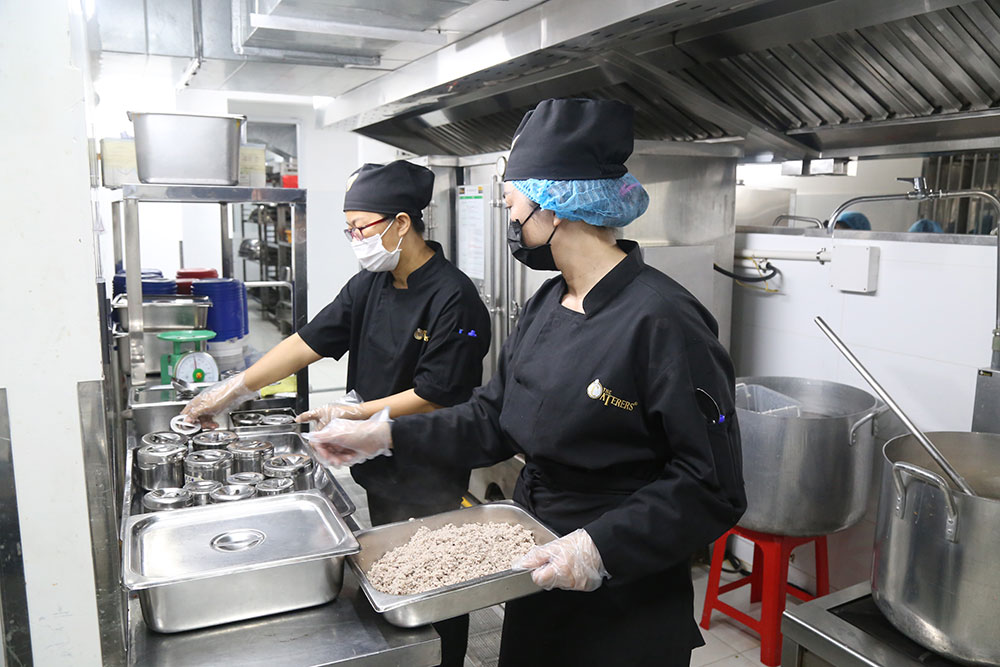
Through the school canteen services, The Caterers focus on developing balanced menus, from light breakfast options to nutritious lunches, helping support students’ physical and mental development. Menus are designed flexibly according to each school model, from quick and convenient breakfast items to more filling portions for students who need additional energy.
For international schools, diversity and flexibility are especially important. The Caterers can develop breakfast menus suitable for multicultural student communities by combining diverse cuisines with varied preparation methods. This helps create meals that are enjoyable, accessible and practical for daily school service.
For schools looking for a nutritious breakfast programme that is easy to implement and stable to operate in the long term, The Caterers can support the development of solutions tailored to each school’s practical needs. By applying a one-way kitchen workflow, The Caterers provides tasty and nutritious meals while supporting food hygiene and safety in line with international standards.
Contact The Caterers to develop a vegetarian menu suitable for your school’s programme.
- Hotline: 028 3812 6901
- Email: sales@thecaterers.vn
- Website: www.thecaterers.vn
- Address: 15-15A Do Cong Tuong, Tan Son Nhi, Ho Chi Minh City 70000, Vietnam